
In today’s fast-paced environment, the concept of wellness travel has gained prominence as individuals seek restorative escapes that nurture the mind, body, and spirit. From serene yoga sessions overlooking misty terraces to holistic spa rituals in secluded mountain retreats, these journeys offer more than mere leisure—they deliver transformative experiences designed to foster balance and personal growth. As travelers become increasingly mindful of their health and well-being, immersive retreats are evolving to address stress, digital overload, and lifestyle imbalances.
Currently, wellness travel stands at the intersection of adventure and self-care, enabling guests to unplug from technology and reconnect with their inner selves through curated programs. Whether you’re drawn to nutrition-focused detoxes, meditation immersions in ancient forests, or energy-healing ceremonies beneath desert skies, opportunities abound to customize your itinerary around specific goals. In today’s digital landscape, practitioners and experts collaborate with top resorts to craft evidence-based therapies that blend traditional wisdom with modern science.
This article serves as your comprehensive guide for planning a life-enhancing retreat this year . We’ll delve into the definitions and trends shaping wellness travel, highlight its far-reaching benefits, reveal premier global destinations, and share practical advice on preparation, sustainable practices, and safety. By the end, you’ll be equipped to design a journey that resonates with your aspirations and yields lasting positive change.
Understanding Wellness Travel in Today’s World
Wellness travel is any trip primarily centered on improving or maintaining personal well-being through structured activities, therapies, and mindful experiences. Unlike traditional tourism, which often revolves around sightseeing and entertainment, wellness getaways focus on restorative practices ranging from yoga and meditation to therapeutic spa treatments and guided nature immersion. Retreat centers curate programs that align with diverse outcomes, such as stress reduction, fitness enhancement, spiritual growth, or nutritional balance.
Several factors fuel the current surge in wellness tourism. The proliferation of screens and constant connectivity has led many to experience digital fatigue, prompting a desire for technology-free zones and mindful detachment. Meanwhile, research institutions such as the World Health Organization emphasize lifestyle interventions—meditation, adequate sleep, balanced nutrition—to combat rising rates of anxiety and chronic stress. Travelers are responding by allocating both time and budget toward experiences that promise more than Instagram-worthy backdrops—they seek genuine transformation.
Moreover, wellness travel is no longer niche. Luxury hospitality brands have integrated holistic offerings, while boutique properties and eco-lodges deliver affordable packages. Academic centers like the National Institutes of Health support clinical trials exploring the physiological impacts of yoga, mindfulness, and herbal therapies, lending scientific validation to age-old modalities. As a result, today’s retreats blend respected traditions—Ayurveda, Traditional Chinese Medicine, shamanic rituals—with data-driven insights to optimize each participant’s journey.
Currently, customization is key. Retreats allow guests to select add-ons such as personalized nutrition coaching, acupuncture sessions, or coaching calls post-departure to reinforce progress. In today’s digital landscape, many centers also offer virtual follow-up support to ensure sustained benefits long after travelers return home. Understanding these evolving trends prepares you to choose the most fitting wellness travel experience this year .
Most Sought-After Retreat Destinations Worldwide
Wellness travelers today have a wealth of global options, each offering unique ecosystems and specialized programs. Here we highlight five standout regions that consistently draw wellness enthusiasts this year (2026).
Asia: Bali and Kerala
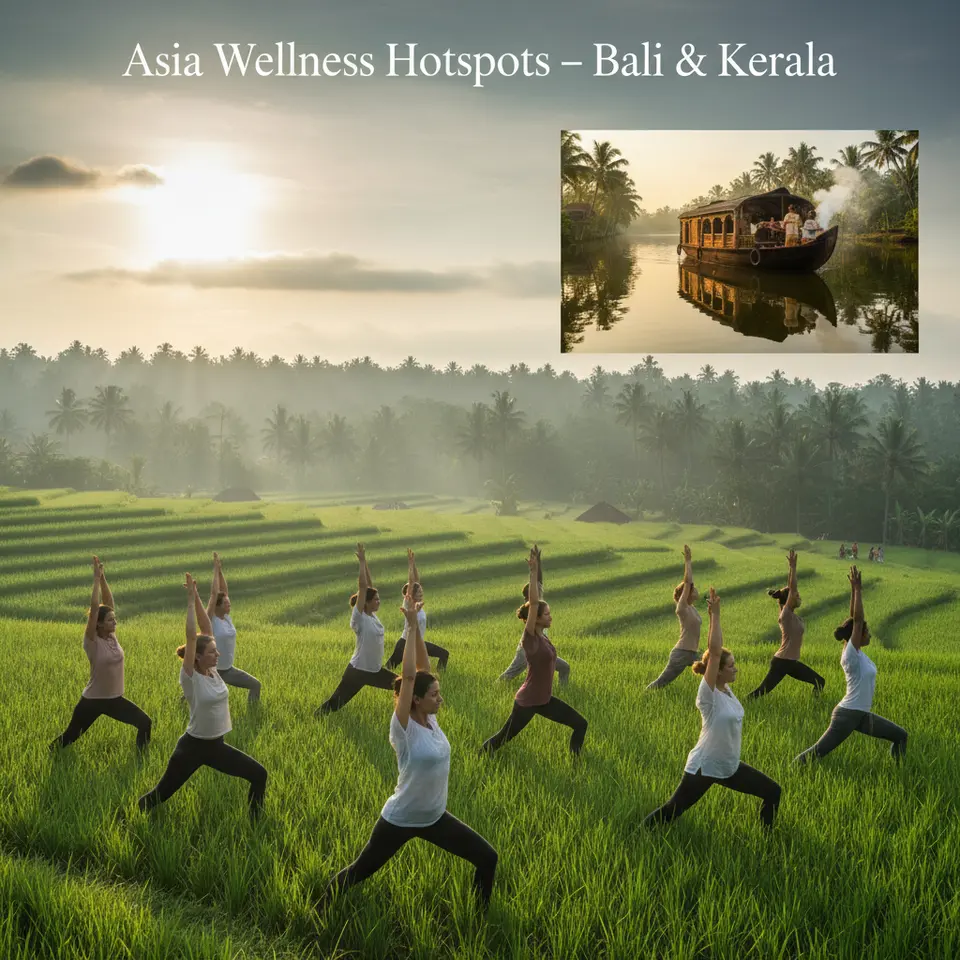
Bali, Indonesia, affectionately known as the Island of the Gods, is a thriving wellness hub. Ubud’s lush rice terraces and Canggu’s surf-friendly shores host boutique resorts offering daily Vinyasa flow, sound healing, and Ayurvedic detoxes. Many properties embrace organic farm-to-table cuisine, Balinese healing rituals, and volunteer opportunities at local schools. In southern India, Kerala’s heritage as the birthplace of Ayurveda makes it an essential stop. Ayurvedic centers administer personalized panchakarma cleanses, herbal steam therapies, and meditation sessions on tranquil backwater houseboats.
Europe: Tuscany, Italy
Tuscany’s rolling hills, vineyards, and olive groves create a sensory haven for wellness travelers. Agriturismos, or farm stays, integrate cooking classes showcasing regional, organic produce; guided yoga among grapevines; and thermal spa treatments in historic baths. Couples and solo travelers alike enjoy art therapy workshops and language immersion alongside therapeutic massages, all within a backdrop steeped in Renaissance history.
North America: Sedona, USA
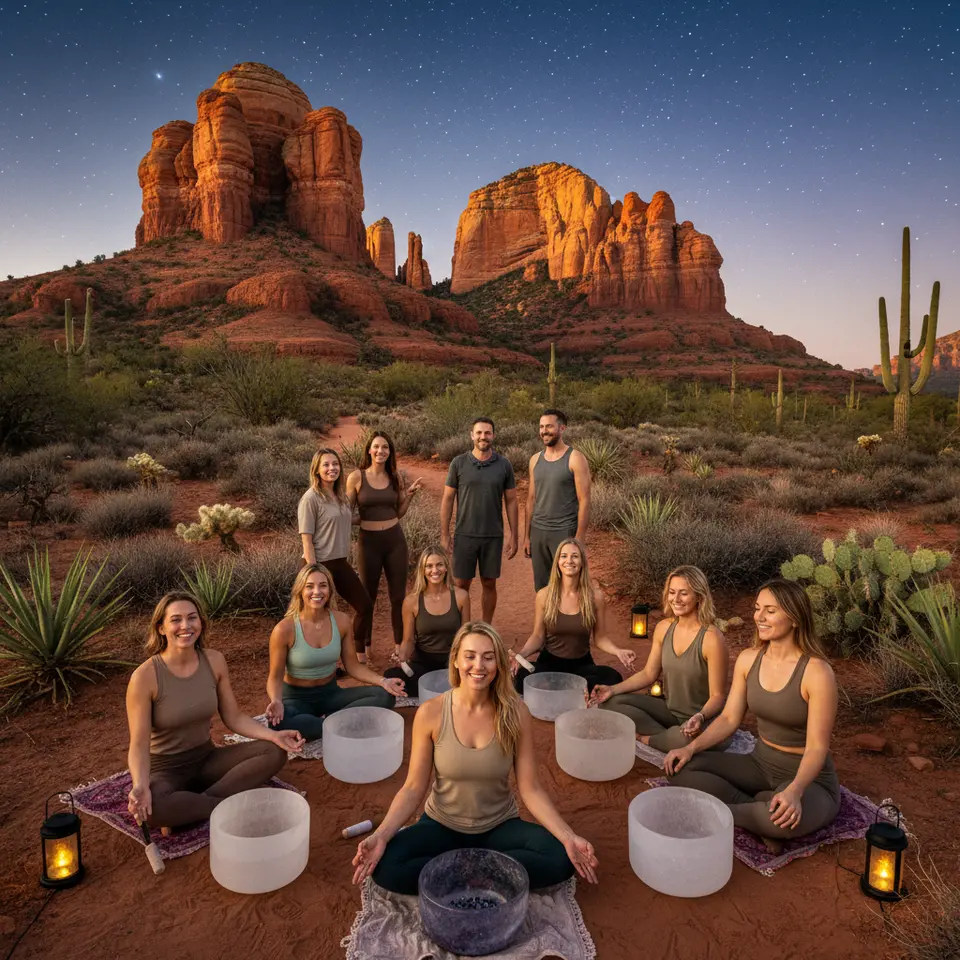
Sedona, Arizona, with its signature red-rock formations and reputed energy vortexes, offers spiritually charged retreats. Programs here range from guided vortex hikes and desert sound baths to shamanic drum journeys and astrology workshops. Wellness resorts emphasize holistic healing through crystal-infused therapies, chakra alignment sessions, and mindful stargazing ceremonies under vast desert skies.
Central America: Costa Rica
Costa Rica’s commitment to Pura Vida—pure life—makes it a prime destination for eco-conscious wellness travel. Jungle lodges and oceanfront sanctuaries blend yoga pavilions, wild-crafted spa treatments, and superfood juice bars. Adventure options like canopy ziplining or waterfall meditation integrate thrill with tranquility. Community-based excursions allow guests to support local conservation and artisanal projects directly.
How to Plan Your Ideal Wellness Getaway
Effective planning transforms a generic trip into a tailored wellness immersion. Begin by clarifying your primary objectives—stress relief, fitness enhancement, spiritual exploration, or nutritional reset. Identifying these goals guides you toward retreats specializing in yoga, holistic spa services, detox protocols, or mind-body workshops.
Next, research timing and climate. Tropical locales may experience monsoon seasons that could disrupt outdoor activities, while mountainous retreats might be inaccessible during heavy snowfall. Off-peak periods can offer cost savings and enhanced privacy, but ensure that weather patterns still support your itinerary.
Budgeting is crucial. Many retreat centers provide tiered packages that bundle accommodation, meals, and daily classes. Early booking often unlocks promotional rates, while last-minute deals can benefit flexible planners. Be sure to read reviews on reputable platforms, noting feedback on instructor expertise, food quality, and overall atmosphere. Investing in comprehensive travel insurance—ideally one that covers health-related cancellations—adds peace of mind.
Packing smart elevates your experience. Prioritize breathable, layered activewear for yoga and nature hikes. A reusable water bottle, lightweight daypack, quick-dry towel, and natural sunscreen will cover most needs. If the retreat features hydrotherapy or ocean sessions, bring swimwear and water shoes. A travel journal and noise-canceling earbuds facilitate reflection and support guided audio practices.
Finally, prepare mentally by setting intentions and communicating any dietary restrictions, allergies, or medical concerns to retreat staff in advance. This proactive approach ensures the center can tailor sessions and menus to your requirements, maximizing comfort and safety throughout your stay.
Sustainable and Safe Practices in Wellness Travel
As wellness travel continues to grow, sustainable and ethical practices have become central priorities. Select eco-certified properties committed to reducing plastic waste, sourcing local produce, and supporting community initiatives. The Global Sustainable Tourism Council provides guidelines that reputable retreats often follow to ensure environmental stewardship and positive social impact.
Arrive prepared with reusable essentials—water bottles, tote bags, bamboo utensils—to minimize single-use plastics. Prioritize tours and workshops led by local guides, and purchase handcrafted souvenirs directly from artisans to foster economic empowerment. If carbon emissions are a concern, consider offsetting flights through verified programs or selecting destinations accessible by train or bus.
Safety is equally important. While wellness retreats are generally low risk, purchasing travel medical insurance is strongly advised. Disclose any chronic conditions or allergies before departure so instructors can adapt activities and therapies. Communicate openly during sessions—especially when trying vigorous classes or new spa treatments—to protect against overexertion or adverse reactions.
During excursions, follow guidelines on wildlife interactions and respect local regulations. Practice Leave No Trace principles during forest bathing or beach meditations, ensuring your presence enhances rather than disturbs delicate ecosystems. By adopting sustainable and safe behaviors, you not only support the health of the planet but also elevate the integrity of your personal wellness journey.
Conclusion
Wellness Travel is more than a vacation; it is a transformative journey that nurtures mind, body, and spirit. In 2026, Wellness Travel continues to grow as people seek balance, healing, and meaningful experiences. By choosing mindful retreats, sustainable practices, and personalized programs, travelers can return home refreshed, healthier, and more connected to themselves and the world around them always forward.
FAQs on Wellness Travel
What is Wellness Travel?
Wellness Travel is a form of travel focused on improving physical, mental, and emotional well-being through activities like yoga, meditation, spa therapies, healthy eating, and holistic healing programs designed for relaxation and personal transformation.
Why is Wellness Travel important in today’s lifestyle?
In today’s fast-paced digital world, people face stress, burnout, and lifestyle imbalance. Wellness Travel helps individuals disconnect from routine pressure, restore energy, and rebuild healthier habits through structured wellness experiences.
Who can benefit from Wellness Travel?
Anyone can benefit—students, working professionals, couples, solo travelers, or seniors. Wellness Travel is flexible and designed to support different age groups and health goals.
What activities are included in Wellness Travel?
Common activities include yoga sessions, meditation classes, spa treatments, detox programs, nature walks, breathing exercises, and nutritional guidance depending on the retreat type.
How do I choose the right Wellness Travel destination?
Choose based on your goals such as relaxation, fitness, spiritual healing, or detox. Also consider climate, budget, reviews, safety, and available wellness programs before booking.
Is Wellness Travel expensive?
Costs vary widely. Luxury retreats can be expensive, but many affordable eco-lodges and group programs offer budget-friendly Wellness Travel options without compromising experience.
What should I pack for a Wellness Travel trip?
Pack comfortable clothing, yoga outfits, reusable water bottles, personal medications, sunscreen, light footwear, and items that support relaxation like journals or meditation aids.
Can Wellness Travel improve mental health?
Yes, it can significantly reduce stress, anxiety, and mental fatigue. Practices like mindfulness, meditation, and nature therapy support emotional balance and mental clarity.
Is Wellness Travel safe for solo travelers?
Yes, most wellness retreats are safe and designed for solo travelers. Many people travel alone to focus on healing, self-growth, and meeting like-minded individuals.
How long should a Wellness Travel retreat be?
It can range from a weekend retreat to several weeks. Beginners often start with short stays, while deeper healing programs may require longer durations.
What makes Wellness Travel different from regular tourism?
Unlike regular tourism, Wellness Travel focuses on healing, relaxation, and personal growth rather than sightseeing and entertainment, making the journey more meaningful.
Can Wellness Travel benefits last after returning home?
Yes, with proper follow-up practices like meditation, healthy routines, journaling, and lifestyle changes, the benefits of Wellness Travel can last long-term.