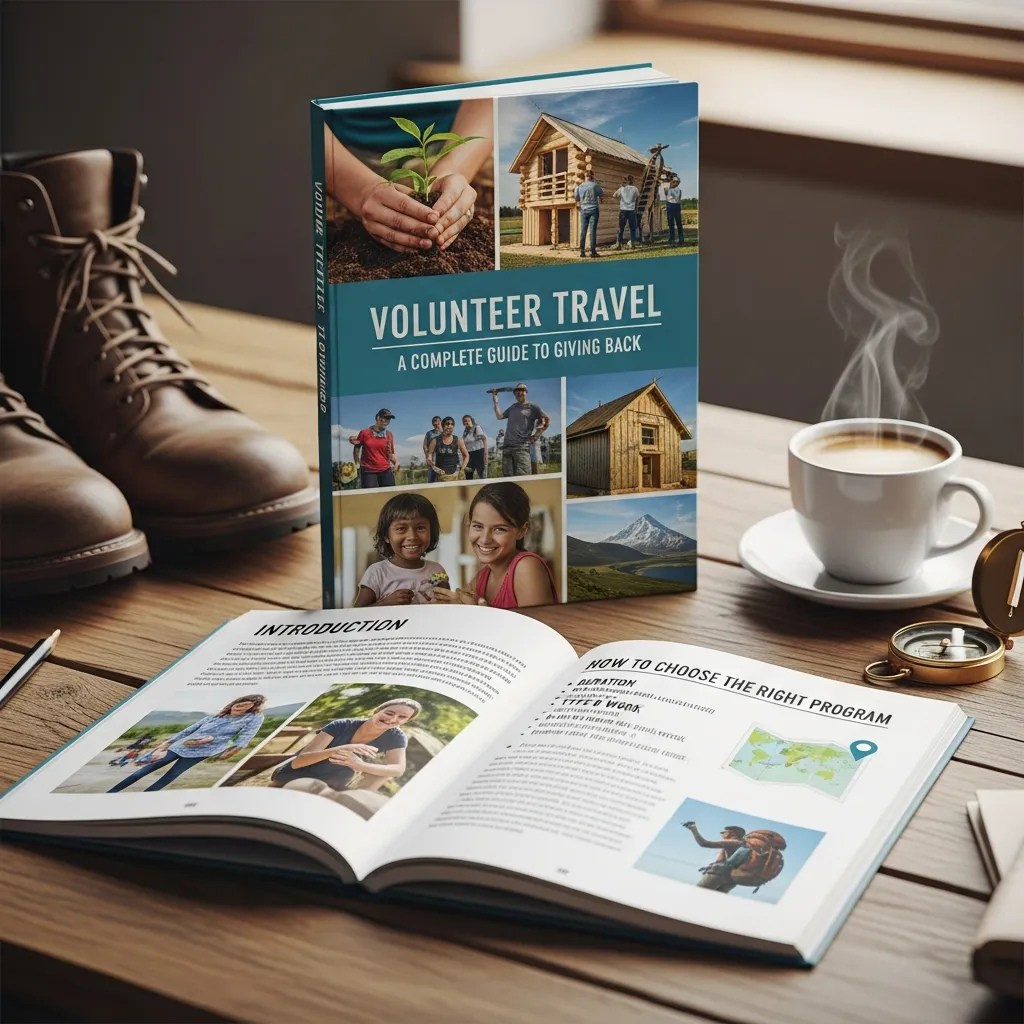
Volunteer travel has emerged as a popular way for individuals to combine exploration with meaningful contribution. Instead of simply observing new cultures and landscapes, today many travelers seek opportunities to give back through local projects that address community needs. In today’s digital landscape, information about programs and destinations is readily available, making it simpler than ever to select a service experience that aligns with personal skills, passions, and values. This guide explores the essentials of volunteer travel, from assessing program quality to preparing for life-changing experiences abroad. By following these best practices, you can ensure that your journey leaves a positive imprint on both the host communities and your own personal development.
As interest in sustainable tourism grows, volunteer travel offers a bridge between adventure and altruism. Participants gain hands-on experience in sectors such as education, conservation, or infrastructure while forging genuine connections with local residents. This year, global organizations and independent operators alike place greater emphasis on transparency, ethical engagement, and long-term impact. Whether you dream of teaching English in remote villages or helping with wildlife conservation, this guide will equip you with the knowledge needed to plan a rewarding, responsible service trip.
From initial research through post-trip reflection, every stage of volunteer travel plays a role in maximizing benefits for communities and volunteers. Read on to discover how to choose reputable programs, navigate logistics, honor cultural norms, and leave a lasting legacy abroad.
Understanding the Power of Volunteer Travel
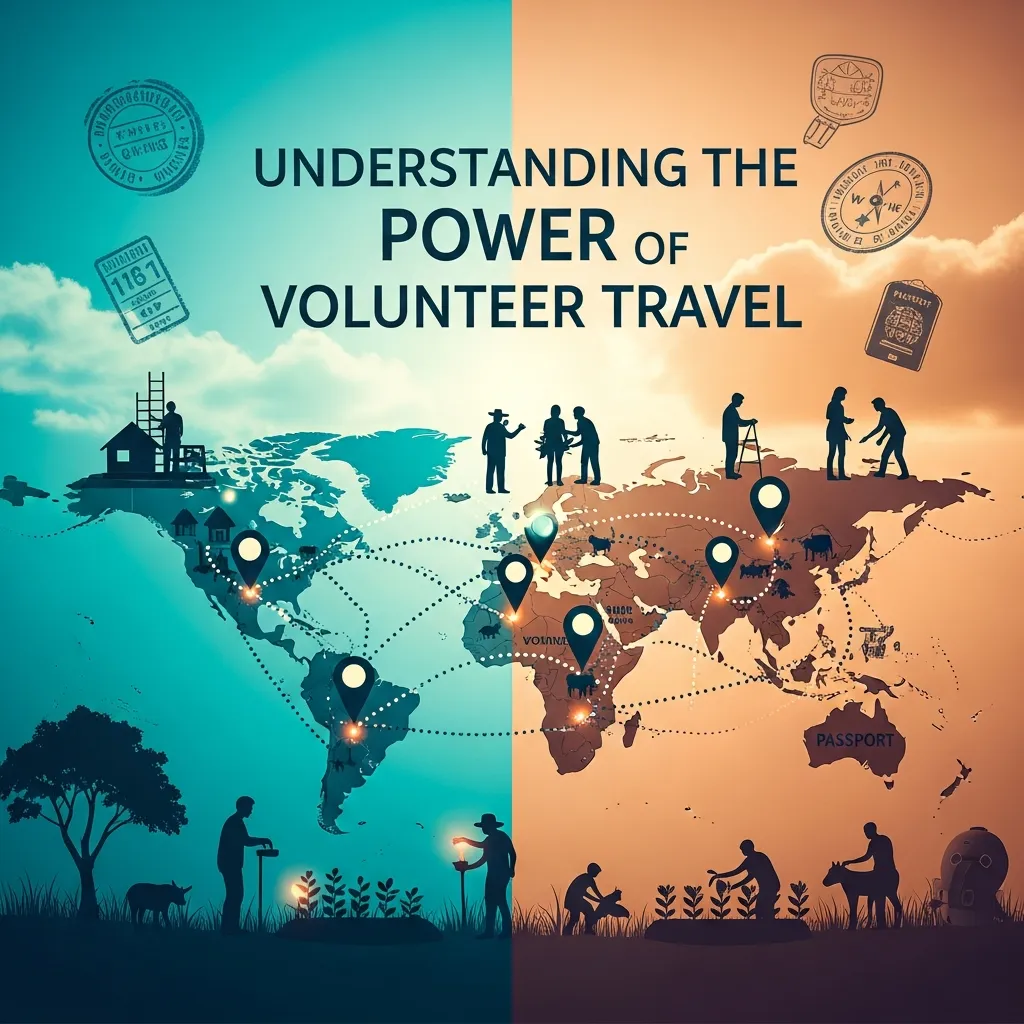
Volunteer travel transforms typical holiday experiences into purposeful missions that extend beyond sightseeing. By contributing time, skills, and resources to local initiatives, travelers become active agents of change rather than passive observers. In addition to supporting community-driven goals, volunteer travel cultivates personal growth, cross-cultural understanding, and transferable skills. In this section, we explore why volunteer travel matters for volunteers and host communities alike.
First, volunteer travel addresses critical gaps in areas such as education, healthcare, and environmental protection. Programs often partner with local schools, clinics, or conservation groups to develop sustainable solutions. For example, teaching opportunities can help improve literacy rates while conservation efforts may protect endangered species, with data supported by institutions like the World Health Organization. These collaborative projects empower communities by building capacity rather than fostering dependency.
Volunteers also benefit from exposure to new challenges and environments. Engaging in grassroots projects demands adaptability, leadership, and empathy. Participants refine their problem-solving skills when resources are limited and must communicate effectively across language barriers. These experiences enhance resumes and strengthen global networks, positioning volunteers for future career opportunities in international development or related fields.
Finally, volunteer travel deepens cultural insights through immersive interactions. Sharing daily life with host families, learning traditional customs, and participating in local celebrations create bonds that endure long after the journey ends. Such connections reshape perspectives on global issues and foster a lifelong commitment to responsible travel and social justice. In summary, volunteer travel merges adventure with service, creating meaningful impact for communities and volunteers alike.
Selecting the Ideal Volunteer Travel Program
Choosing a reputable volunteer travel program is essential to ensure ethical standards, transparent operations, and lasting community benefits. In today’s market, options range from large international NGOs to small local cooperatives. To navigate this landscape, prospective volunteers should consider the following criteria.
- Transparency of Finances: Request a detailed breakdown of program fees and how funds are allocated. Ensure that a substantial portion directly supports community activities rather than administrative costs.
- Local Engagement: Prioritize organizations that involve community members in planning and decision-making. Sustainable programs foster local ownership and long-term continuity.
- Credential Verification: Look for endorsements from third-party bodies, academic partnerships, or government agencies. Accreditation by recognized institutions such as UNESCO or national volunteer networks adds credibility.
- Skill Alignment: Match program requirements to your expertise. Medical professionals, educators, conservationists, and construction specialists can maximize their impact by sharing relevant skills.
- Participant Feedback: Read reviews on independent platforms and contact alumni for honest testimonials. Firsthand accounts reveal program strengths and potential challenges.
Begin by defining personal goals and preferred regions. Use online portals that vet organizations for ethical standards and proper registrations. Compare multiple offerings, paying close attention to program duration, housing arrangements, and support services. Some organizations provide pre-trip orientations to prepare volunteers for cultural nuances and logistical details, setting the stage for a successful journey.
By conducting thorough research and consulting a range of sources, volunteers can avoid common pitfalls such as fee inflation, short-term projects with limited impact, or programs that fail to address genuine community priorities. A well-chosen volunteer travel experience lays the groundwork for positive outcomes and memorable adventures.
Preparing for Your Volunteer Travel Journey

A thoughtful preparation phase ensures that you are ready to focus on service rather than logistics. Planning ahead minimizes stress and maximizes your contribution to host communities. Below are key steps for organizing a smooth volunteer travel experience.
- Budget Management: Develop a comprehensive budget that includes program fees, roundtrip airfare, local transportation, visa costs, travel insurance, living expenses, and an emergency fund. Factor in currency exchange fluctuations and potential medical evacuations if working in remote areas.
- Health Precautions: Research vaccination requirements and health advisories issued by government agencies. Carry a basic medical kit with first-aid supplies, prescribed medications, and preventive items such as insect repellent and water purification tablets.
- Visa and Legal Documentation: Verify visa regulations for volunteer activities versus tourism. Some countries require special permits for service work. Confirm passport validity and obtain any necessary clearances well before departure.
- Appropriate Packing: Pack versatile clothing suitable for climate and cultural norms. Include sturdy footwear, sun protection, and any specialized tools relevant to your project, such as art supplies for teaching or safety gear for construction tasks.
- Training and Skill-Building: Participate in pre-departure workshops covering language basics, cross-cultural communication, and project-specific methodologies. Role-playing exercises and case studies enhance readiness.
- Safety Planning: Register with your embassy or consulate upon arrival and share an itinerary with trusted contacts. Familiarize yourself with local emergency services and community leaders.
Effective preparation reduces unforeseen complications and ensures that volunteers can engage fully in service activities. By handling details ahead of time, you free up mental energy to learn, connect, and contribute meaningfully once onsite.
Embracing Ethical Practices and Cultural Respect
Ethical volunteer travel centers on prioritizing community needs, honoring traditions, and avoiding unintended harm. In today’s interconnected world, volunteers carry the responsibility to act as respectful guests and collaborators. Consider the following guidelines to maintain ethical conduct.
- Listen and Learn: Approach every interaction with humility. Seek to understand local perspectives and priorities before proposing solutions. Co-creation of projects with community leaders fosters ownership and relevance.
- Respect Social Norms: Adhere to dress codes, daily routines, and cultural customs. Modesty in clothing, punctuality for events, and proper greetings demonstrate respect.
- Avoid Short-Lived Interventions: Projects with high volunteer turnover can disrupt community rhythms and create dependency. Opt for programs that emphasize skills transfer, training locals to continue work after departure.
- Protect Privacy: When working with vulnerable populations—such as children or refugees—secure necessary permissions before taking photos or sharing stories. Maintain confidentiality and handle personal data responsibly.
- Sustainable Resource Use: Minimize environmental impact by reducing waste, conserving water, and supporting eco-friendly practices. Volunteer travel that includes reforestation or renewable energy installations can leave a green legacy.
By integrating these ethical considerations into everyday actions, volunteers strengthen trust and establish genuine partnerships. Communities that feel heard and valued will collaborate more effectively, leading to projects that endure long after volunteers return home.
Top Volunteer Travel Destinations and Strategies for Impact
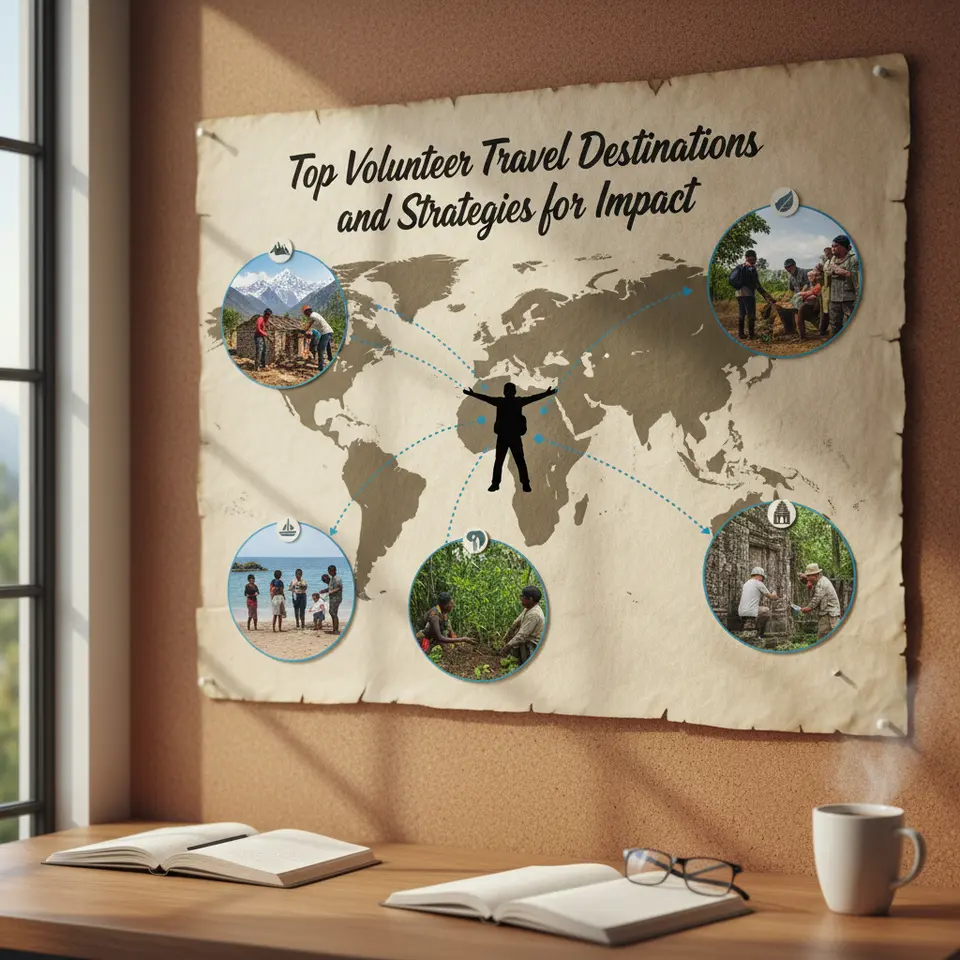
Exploring specific destinations provides insight into the breadth of volunteer travel opportunities. Each region features unique needs and cultural contexts. Below is a snapshot of standout locations alongside recommendations for enhancing impact.
Nepal
Volunteers often assist with rebuilding efforts in mountain villages, support eco-tourism initiatives, or teach English in rural schools. To maximize impact, focus on capacity building by training local educators and collaborating with community groups for sustainable tourism models.
Peru
Join agroforestry programs in the Amazon basin, participate in archaeological site preservation near Cusco, or volunteer at urban youth centers in Lima. Seek partnerships with research institutions such as universities to ensure projects follow scientific best practices.
Kenya
Work with wildlife conservation teams to protect endangered species, help install water sanitation systems in rural communities, or support educational outreach for the Maasai. Emphasize data collection and monitoring to measure conservation outcomes effectively.
Greece
Assist refugee relief efforts on the Aegean islands, provide language instruction for asylum seekers, or help in community kitchens. Engage with local NGOs to address immediate humanitarian needs and long-term integration challenges.
Cambodia
Contribute to rural school construction, teach Khmer history and cultural arts, or support temple restoration projects. Focus on sustainable tourism by training guides and promoting heritage preservation.
To ensure your volunteer travel efforts leave a lasting legacy, consider the following strategies:
- Local Capacity Building: Train community members in project methodologies so they can maintain progress independently.
- Impact Measurement: Request regular evaluations and share feedback to refine approaches. Quantitative and qualitative data strengthen credibility and guide future initiatives.
- Continued Engagement: Stay connected with communities through social media, fundraising efforts, or return visits. Volunteer travel that evolves into ongoing advocacy amplifies results.
By combining thoughtful destination selection with strategic planning, volunteers can contribute to projects that evolve into self-sustaining programs. This synergy between service and sustainability defines impactful volunteer travel experiences.
Conclusion
Volunteer travel offers an enriching blend of personal adventure and community service. Through rigorous program selection, careful logistical preparation, and a commitment to ethical engagement, volunteers can support meaningful projects while broadening their own worldview. In today’s digital landscape, resources from organizations such as the WHO and UNESCO safeguard standards and offer guidance on best practices. By focusing on long-term partnerships and capacity building, volunteer travel transcends short-term visits, fostering sustainable change in host communities. Embrace this year as an opportunity to contribute your skills, learn from diverse cultures, and craft a travel experience that resonates far beyond borders. Pack your essentials, open your mind, and embark on a journey that transforms lives—including your own—through the power of volunteer travel.
FAQ on Volunteer Travel
1. What is Volunteer Travel?
Volunteer travel is a type of tourism where people combine travel with meaningful community service. It allows participants to support local projects while experiencing new cultures.
2. Why is Volunteer Travel becoming popular?
It is growing because travelers now seek more meaningful experiences beyond sightseeing, including education, healthcare, conservation, and community development work.
3. How do I choose the right Volunteer Travel program?
Look for transparency, community involvement, verified reviews, and ethical standards. Choose programs that match your skills and focus on long-term local impact.
4. Is Volunteer Travel safe?
Yes, if you choose trusted organizations and follow safety guidelines. Always check health advice, insurance coverage, and local conditions before joining a program.
5. What skills do I need for Volunteer Travel?
Skills vary by project. Common areas include teaching, healthcare, construction, environmental conservation, and communication.
6. How much does Volunteer Travel cost?
Costs depend on destination, duration, and organization. Most programs include accommodation, meals, and project-related expenses.
7. Do I need experience for Volunteer Travel?
Not always. Many programs accept beginners, but some specialized roles may require professional experience.
8. What should I pack for Volunteer Travel?
Pack according to climate and project needs—comfortable clothing, basic medical supplies, sturdy shoes, hygiene items, and any required tools.
9. Can Volunteer Travel help my career?
Yes. It builds leadership, teamwork, communication, and problem-solving skills that are valuable in many careers.
10. How long do Volunteer Travel programs last?
They can range from one week to several months depending on the project and your availability.
11. How do I ensure ethical Volunteer Travel?
Choose programs that prioritize community needs, cultural respect, and long-term sustainability rather than short-term impact.
12. Where are the best destinations for Volunteer Travel?
Popular destinations include Nepal, Peru, Kenya, Cambodia, and Greece, offering opportunities in education, conservation, and community support.