There’s an undeniable allure in charting paths less traveled, where every bend reveals an untouched panorama and every footfall echoes with discovery. In today’s digital landscape, adventure seekers are increasingly drawn to secret scenic hikes that lie beyond crowded trailheads and well-worn routes. These hidden itineraries promise quiet forest corridors, crystalline waterfalls tucked in remote canyons, and the satisfaction of forging your own way through nature’s unspoiled realms. Embarking on these adventures requires thoughtful preparation and respect for the environment, but the reward is a deeply personal connection to the land and a rejuvenating escape from urban hustle.
Currently, global interest in remote hiking excursions is on the rise, and this year enthusiasts are seeking expert guidance on finding and traversing these cloistered landscapes. Whether you’re a seasoned trekker craving fresh challenges or a weekend wanderer eager for solitude, this guide will walk you through the essentials of planning, equipping, and enjoying secret scenic hikes safely and responsibly. By integrating reliable resources—from topographic maps to authoritative tips from the U.S. Forest Service—you’ll gain the confidence to venture off-grid and immerse yourself in nature’s secret spectacles. Lace up your boots, pack your curiosity, and prepare to discover the world’s best-hidden trails that promise unparalleled adventure and serene beauty.
Embracing Solitude: Why Choose Secret Scenic Hikes?
Popular national parks and famous mountain summits undeniably offer stunning views, but they often come with crowded switchbacks, busy parking lots, and busy viewpoints. In contrast, secret scenic hikes deliver a sense of solitude rarely found on main corridors. By intentionally selecting off-the-beaten-path routes, you can experience pristine environments that feel tailor-made for reflection and exploration. The peace of remote woods and the quiet murmur of distant waterfalls become all the more profound when you’re one of only a handful of visitors along the entire trail.
Moreover, secret scenic hikes foster deeper wildlife encounters. In less trafficked zones, animals exhibit more natural behaviors, enabling respectful observation of deer grazing at dawn or eagles soaring overhead. Photographers and nature enthusiasts relish these intimate moments, capturing images without crowds intruding on the frame. Beyond wildlife, these hikes heighten your awareness of nature’s subtleties—the aroma of damp cedar, the gentle rustle of lichens on ancient trees, and the raw emotion that comes from discovering a hidden glen for the first time.
Finally, venturing into hidden trails sharpens your navigation and bushcraft skills. Without the comfort of crowded routes and frequent trail markers, you learn to read contour lines, interpret soil patterns, and gauge water flow in streambeds. Over time, these competencies not only enrich future treks but also instill essential wilderness preparedness. Whether you’re studying journal articles from the University of California, Berkeley on forest ecology or experimenting with compass bearings in local green spaces, secret scenic hikes become immersive classrooms that deepen your respect for nature and bolster self-reliance.
Mapping Your Journey: Planning Hidden Trails Adventures
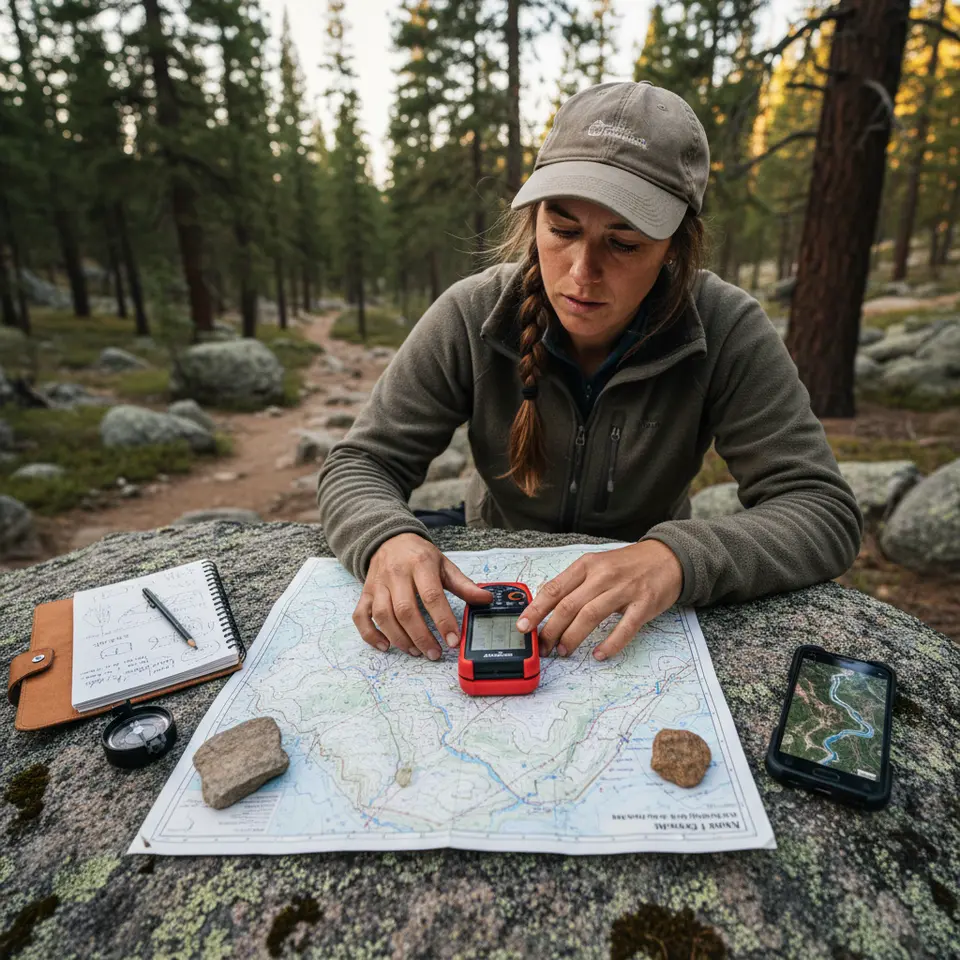
Effective planning is the cornerstone of any successful off-grid excursion. Begin by consulting detailed topographic maps and satellite imagery to pinpoint lesser-known corridors. Platforms like Gaia GPS or AllTrails can offer user-generated waypoints, but it’s wise to corroborate these with official resources such as government land management sites or regional hiking clubs. Always cross-reference route descriptions, noting elevation gains, water sources, and potential exit points in case conditions change unexpectedly.
When selecting a trail, consider permissions and land status. Many secluded paths traverse state forests, wildlife management areas, or private conservation easements that require permits or advance notification. Reach out to the managing agency to confirm access rules and any seasonal restrictions. This step not only prevents fines and gate closures but also supports sustainable land stewardship by respecting local regulations.
Timing plays a crucial role, too. In early spring, melting snow can make trails muddy or impassable, while summer heat may deplete water sources more rapidly. Autumn often presents stable temperatures, fewer insects, and vibrant foliage, though daylight hours shorten. Winter secret scenic hikes demand specialized equipment—crampons, insulated shelters, and cold-weather sleeping systems—so weigh your experience level against the environmental challenges. Before departure, publish a comprehensive itinerary with trusted contacts, detailing your planned route, daily targets, and emergency rendezvous points. Read for more details : Night City Safaris
Gear Up: Essential Equipment for Remote Treks
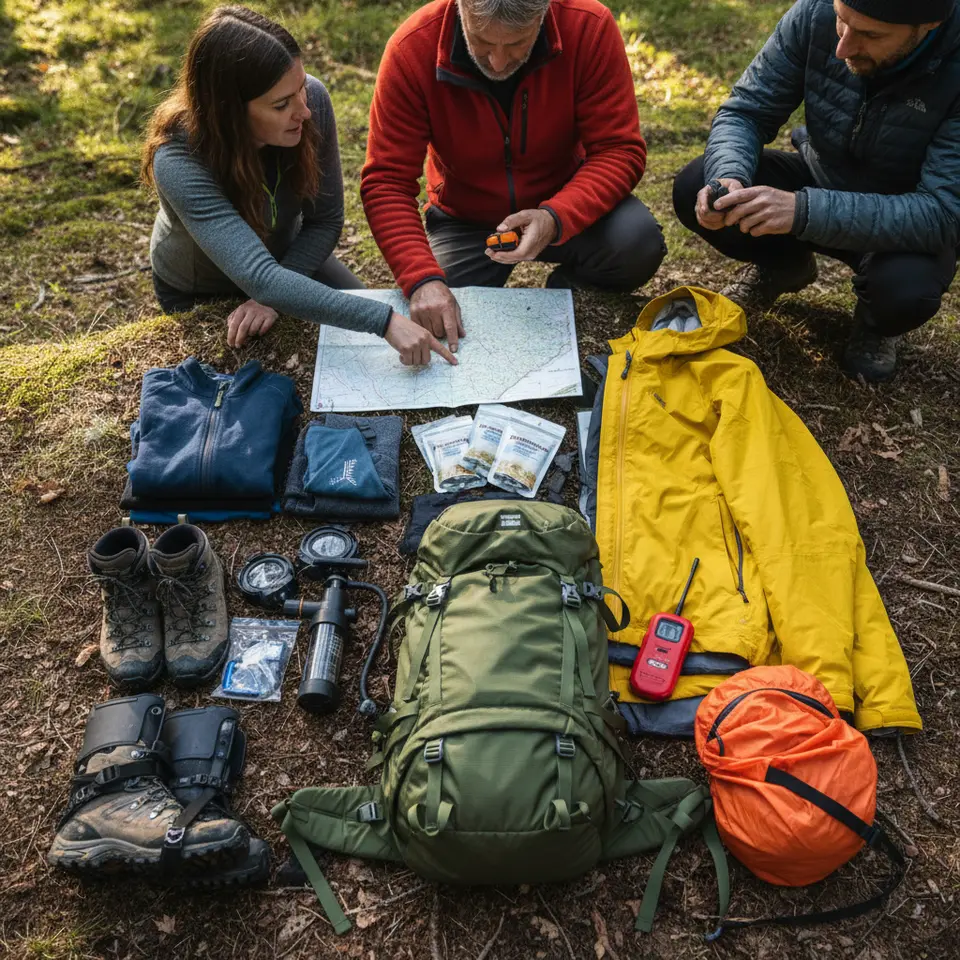
When venturing on secret scenic hikes, every item in your pack must justify its weight. Opt for versatile gear that enhances safety and comfort without bogging you down. A sturdy, lightweight backpack (30–40 liters for day outings; 50–65 liters for multi-day journeys) is indispensable. Select packs with adjustable suspension systems to balance load distribution and minimize fatigue on long carries.
Layered Clothing for Changing Environments
Layered clothing is paramount, especially when weather can shift abruptly. A moisture-wicking base layer, insulating mid-layer, and waterproof/breathable shell allow you to regulate temperature effectively. High-quality hiking boots with ankle support will protect against twists on uneven terrain, while gaiters can keep debris and moisture out of your socks. In select conditions, trail runners may offer sufficient protection with lower overall weight.
Navigation & Survival Essentials
Navigation tools extend beyond smartphone apps. Always carry a detailed topo map, reliable compass, and a handheld GPS unit with extra batteries or solar charging capability. For water management, a filtration pump or UV purifier will transform natural sources into safe drinking water, crucial in areas lacking established springs or creeks. Pack high-energy, compact food items—freeze-dried meals, energy bars, and nuts—to sustain calories without compromising space.
Emergency & Expedition Safety Kit
Finally, assemble a comprehensive first-aid kit, headlamp with fresh batteries, emergency bivvy or lightweight tent, and personal locator beacon (PLB) or satellite messenger for critical situations. These essentials ensure survival support in unpredictable remote environments.
Responsible Adventure & Volunteering Vacations
Modern explorers often combine secret scenic hikes with meaningful travel experiences like Volunteering Vacations, where travelers contribute to trail conservation, wildlife protection, and local community support while exploring remote regions. This approach not only enhances your journey but also helps preserve these fragile landscapes for future adventurers.
Discovering the Unseen: Top Secret Scenic Hikes Worldwide
Across every continent, intrepid hikers can discover hidden pathways that rival famous trails in beauty and challenge.
North America – Remote Alpine Corridors
In North America, the Alpine Lakes Traverse in the Cascade Range weaves through remote glacial basins, offering mossy forests, granite ridges, and alpine meadows. Trail maintenance is minimal, so be prepared for route-finding challenges and sudden weather shifts above 7,000 feet.
Europe – Hidden Mountain Passes
Over in Europe, those seeking secret scenic hikes should explore the Dolomites’ lesser-known passes. Beyond the bustling via ferrata routes lies a network of silent valleys and abandoned World War I tunnels. Summers reveal wildflower-strewn meadows, while autumn paints larch forests in golden hues. Shepherd huts offer rustic shelter, though securing permission from local municipalities in advance is essential.
Asia – Nepal’s Forgotten Highland Path
In Asia, Nepal’s Forgotten Highland Path meanders above terraced rice fields and rhododendron-covered slopes, connecting remote Sherpa villages rarely touched by mainstream tourism. Altitudes often exceed 12,000 feet, demanding a gradual acclimatization plan and constant attention to symptoms of altitude illness. Yet, the rewards include panoramic Himalaya vistas free from commercial teahouses and chain guesthouses.
South America – Cloud Forest Wonders
South America’s cloud forests present another trove of hidden wonders. In Ecuador, the Cloud Forest Loop skirts mist-draped trees and secret waterfalls, with chances to glimpse the rare spectacled bear foraging beneath moss-laden branches. Temperatures near the ridgeline can drop below freezing at night, so adequate insulation and a sturdy shelter are non-negotiable.
Africa & Oceania – Untamed Wilderness Trails
Africa also hosts clandestine trails in mountainous refuges like Ethiopia’s Simien Mountains, where jagged escarpments and deep valleys harbor Nubian ibex. In Oceania, New Zealand’s Kaweka Ranges feature ghostly forests and glacial tarns far from popular Great Walks. Wherever you roam, prioritize local guidance, up-to-date trail reports, and respect for indigenous lands and customs.
Stewardship and Safety: Best Practices on Uncharted Paths
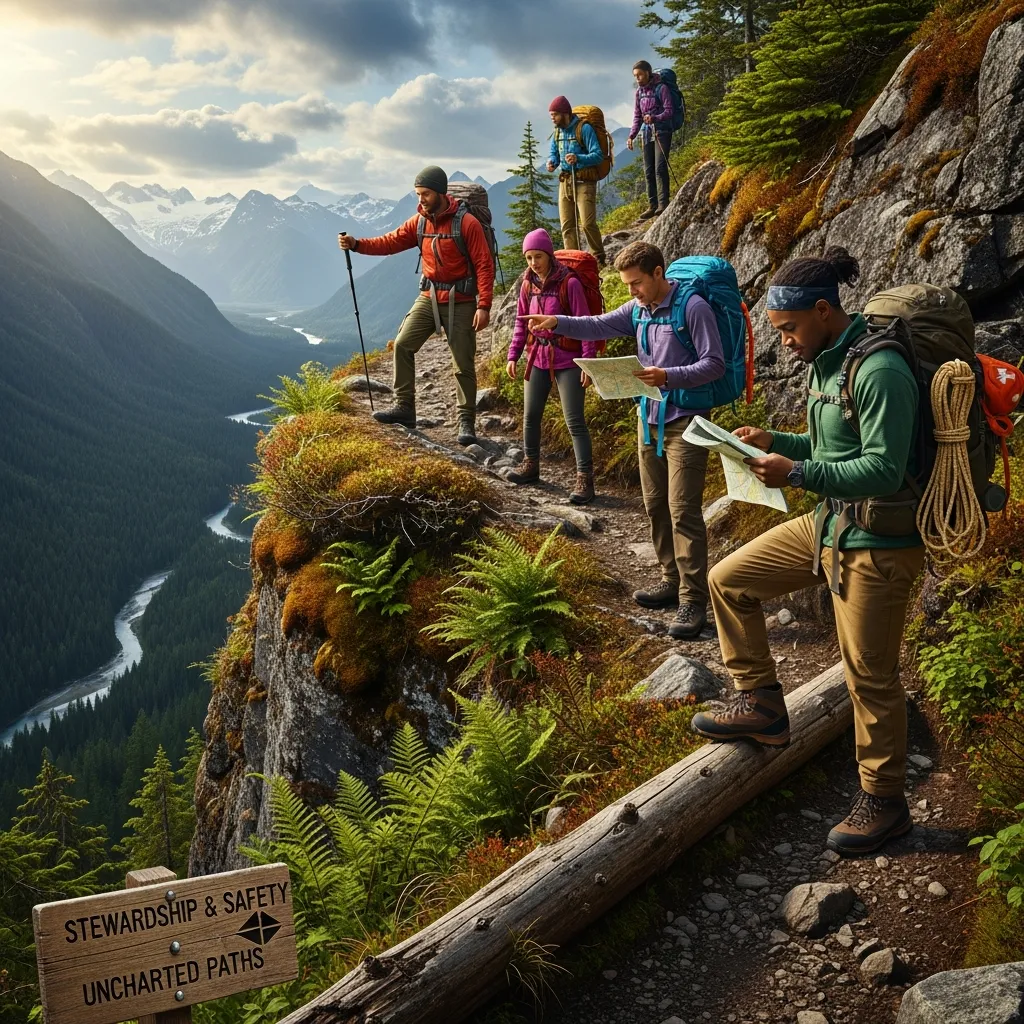
Exploring secret scenic hikes carries a greater responsibility for environmental care and personal safety. Always adhere to Leave No Trace principles: pack out everything you bring in—including biodegradable food scraps—and camp on durable surfaces to prevent vegetation damage. Stick to established wildlife trails when possible to minimize erosion, and avoid disturbing nesting or denning animals by observing from a distance.
Fire management is critical. In many remote regions, regulations prohibit open flames due to wildfire risk. Instead, use a lightweight backpacking stove for cooking and ensure all embers are fully extinguished before stowing gear. Check current fire bans on government websites like the National Park Service portal or state forestry departments.
Monitoring hydration and altitude adaptations can mean the difference between a transformative journey and a dangerous ordeal. Consume small, electrolyte-rich snacks consistently, and schedule regular breaks to test physical and mental readiness. If symptoms of dehydration or altitude sickness arise, retreat to a lower elevation or seek water sources immediately. Finally, carry at least two means of communication—a satellite messenger and a fully charged mobile device—to call for assistance if needed.
By combining responsible stewardship with meticulous planning and the right gear, today’s explorers can enjoy secret scenic hikes that inspire wonder and foster lifelong memories. Your footsteps on these hidden trails contribute to a broader ethos of respect and preservation, ensuring that these remote landscapes remain pristine for generations to come.
Conclusion
In today’s world, Secret Scenic Hikes offer a powerful escape into untouched nature, where silence, solitude, and discovery replace crowded tourist paths. From hidden forest trails to remote mountain routes, these journeys allow travelers to experience landscapes in their purest form while also connecting deeply with nature. Whether combined with Accessible Travel options for easier exploration or paired with relaxing stops like Hidden Hot Springs, these off-grid adventures create a perfect balance of thrill and restoration.
As you explore Secret Scenic Hikes, responsible travel remains essential—plan carefully, respect local environments, and follow Leave No Trace principles. With the right preparation, every step becomes part of a meaningful journey filled with beauty, challenge, and unforgettable natural experiences.
FAQ
1. What are Secret Scenic Hikes?
Secret Scenic Hikes are lesser-known hiking routes that are not heavily crowded, offering peaceful and untouched natural environments for explorers.
2. Why are Secret Scenic Hikes becoming popular?
They are gaining popularity because travelers now prefer solitude, nature immersion, and unique experiences away from busy tourist trails.
3. Are Secret Scenic Hikes suitable for beginners?
Some are beginner-friendly, but many require navigation skills, so it’s important to research difficulty levels before starting.
4. How do I find Secret Scenic Hikes safely?
Use topographic maps, trusted hiking apps, local guides, and official forest or park authority information.
5. What is the connection between Accessible Travel and Secret Scenic Hikes?
Accessible Travel options help more people enjoy selected Secret Scenic Hikes through easier routes, guided support, or adapted trails.
6. Can Hidden Hot Springs be part of Secret Scenic Hikes?
Yes, many remote hiking routes lead to Hidden Hot Springs, adding relaxation and wellness to the adventure.
7. What gear is essential for Secret Scenic Hikes?
You need proper footwear, navigation tools, water purification, layered clothing, food supplies, and emergency equipment.
8. Are Secret Scenic Hikes safe?
Yes, but safety depends on preparation, weather awareness, navigation skills, and proper planning before the hike.
9. Do I need a guide for Secret Scenic Hikes?
Not always, but guides are recommended for remote or unmarked trails to ensure safety and better navigation.
10. What is the best time for Secret Scenic Hikes?
Spring and autumn are often ideal due to stable weather, fewer insects, and comfortable hiking conditions.
11. How can I travel responsibly on Secret Scenic Hikes?
Follow Leave No Trace principles, avoid littering, stay on marked paths, and respect wildlife and local communities.
12. What makes Secret Scenic Hikes special?
They offer unmatched peace, natural beauty, wildlife encounters, and a deep personal connection with untouched landscapes.