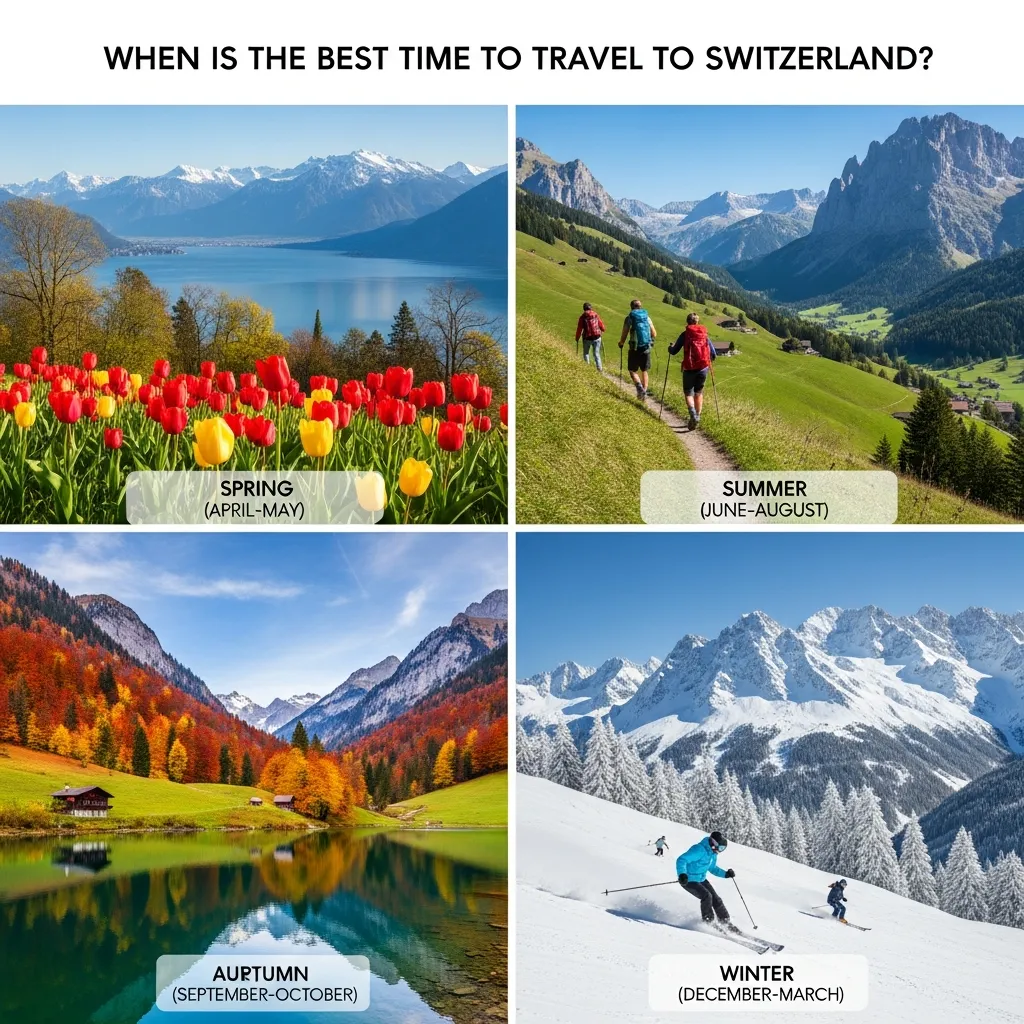
The best time to travel to Switzerland depends entirely on your planned activities. For warm weather, clear hiking trails, and vibrant festivals, visit during the summer (June to August). If you want world-class skiing and magical Christmas markets, the winter months (December to March) are ideal. For budget travelers seeking beautiful scenery without the crowds, the shoulder seasons of spring (April to May) and autumn (September to October) offer the perfect balance.
Deciding on the best time to travel to Switzerland requires looking at what you actually want to do once you arrive. Switzerland is a country defined by its dramatic Alpine landscapes, pristine lakes, and distinct seasons, each offering a completely different experience. Whether you want to conquer snowy peaks or stroll through valleys blanketed in wildflowers, your travel dates will dictate your itinerary.
Understanding Switzerland’s diverse climate zones is essential. The Alps act as a major climate barrier, meaning the weather in the northern plateau can differ significantly from the southern cantons like Ticino, which boasts a more Mediterranean feel. By aligning your personal preferences with the country’s seasonal shifts, you can determine the absolute best time to travel to Switzerland for your specific needs.
Spring in Switzerland (April – May)
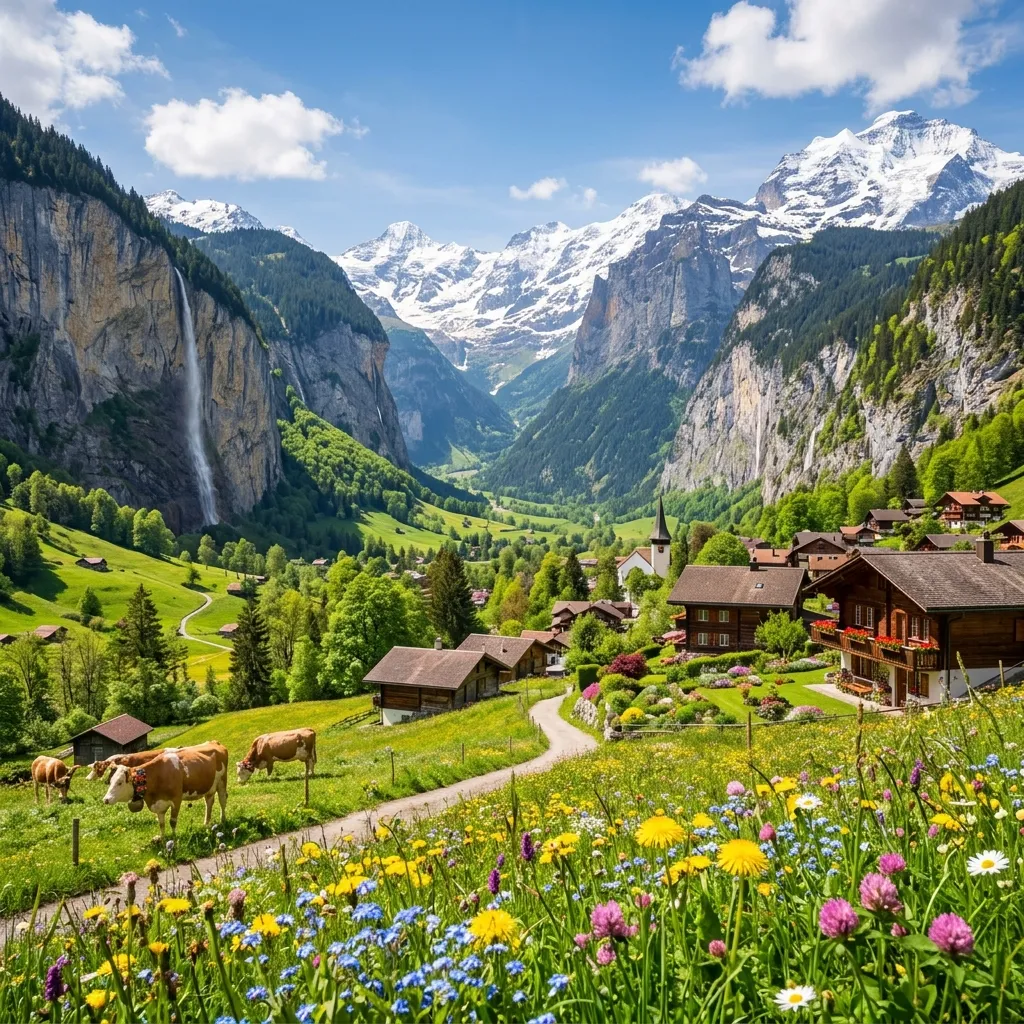
What is the spring weather like in Switzerland?
Spring is a season of transition. Down in the valleys and lower elevations, the snow begins to thaw, and temperatures range from 46°F to 60°F (8°C to 15°C). However, the higher mountain passes often remain closed due to lingering snow until late May or early June.
What are the best spring activities?
During this period, you can enjoy lower-elevation hiking around Lake Geneva or Lake Lucerne. It is an excellent time for sightseeing in cities like Zurich, Bern, and Geneva without the intense summer crowds. Cultural events, such as the Sechseläuten spring festival in Zurich, offer unique insights into local traditions.
Pros and cons of spring travel
The biggest advantage of spring is the lack of crowds. Accommodations are generally cheaper, making this a strong candidate for the best time to travel to Switzerland on a budget. The downside is the unpredictable weather. Rain is common, and many high-altitude cable cars and hotels close for maintenance between the winter and summer seasons.
Who should visit in the spring?
Spring is ideal for nature lovers who want to see the wildflowers bloom, budget travelers, and those who prefer exploring cities and museums over high-alpine trekking.
Summer in Switzerland (June – August)
What is the summer climate in Switzerland?
Summer brings warm, sunny days with average temperatures ranging from 65°F to 82°F (18°C to 28°C) in the valleys. This is generally considered the best time to travel to Switzerland for guaranteed good weather, though afternoon thunderstorms can occur in the mountains.
What are the top summer activities?
Summer opens up the entire country. Every mountain pass is accessible, making it the premier season for Alpine hiking, mountain biking, and paragliding. The lakes become hubs for swimming, paddleboarding, and boating. You can also experience world-renowned events like the Montreux Jazz Festival in July.
Pros and cons of summer travel
The pros are obvious: phenomenal weather, fully operational transport links, and endless outdoor activities. However, summer is peak tourist season. You will encounter the largest crowds of the year, and prices for hotels and flights hit their absolute highest.
Who should visit in the summer?
Outdoor enthusiasts, families on school holidays, and anyone who wants to experience the classic, postcard-perfect Swiss summer should plan their trip for these months.
Autumn in Switzerland (September – October)
What is the autumn weather like?
Autumn offers crisp air and cooling temperatures, typically ranging from 50°F to 68°F (10°C to 20°C) in September, before dropping in October. The skies are often clear, providing incredible visibility of the mountain peaks.
What are the best autumn activities?
This is the best time to travel to Switzerland for wine tasting, particularly in the Lavaux vineyard terraces overlooking Lake Geneva. It is also an exceptional time for scenic train rides like the Glacier Express, as the landscape turns vibrant shades of gold and red. Harvest festivals take place in rural villages, celebrating local food and wine.
Pros and cons of autumn travel
Autumn provides stunning scenery and much cooler, more comfortable temperatures for intense hiking. The summer crowds thin out significantly by mid-September. The main drawback is that late October starts to mirror spring, with some mountain transport shutting down in preparation for winter.
Who should visit in the autumn?
Photographers chasing the golden foliage, food and wine lovers, and hikers who prefer avoiding the intense summer heat will find autumn to be the best time to travel to Switzerland.
Winter in Switzerland (November – March)
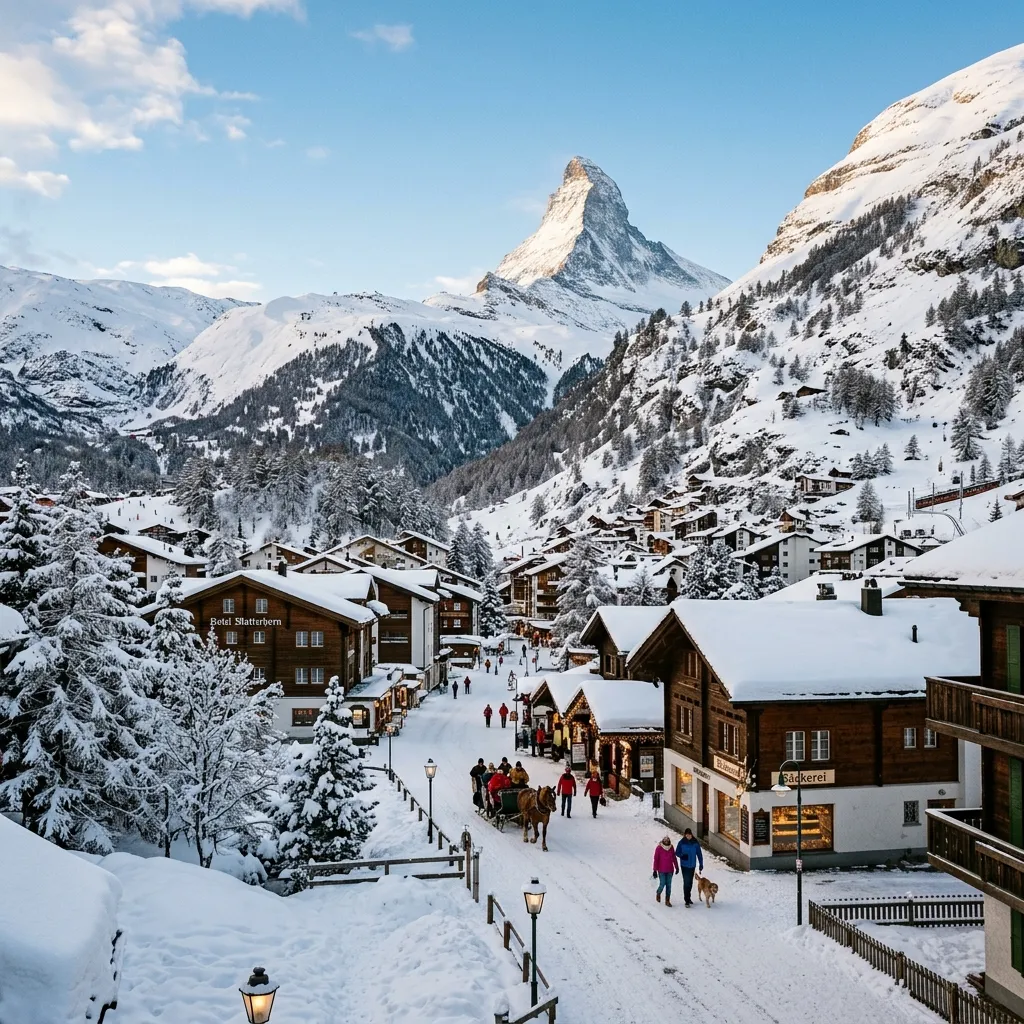
What is the winter climate like?
Winter in Switzerland is cold and snowy. Valley temperatures hover around 28°F to 45°F (-2°C to 7°C), while the mountains experience freezing temperatures and heavy snowfall.
What are the best winter activities?
Switzerland is a premier global winter sports destination. Skiing, snowboarding, snowshoeing, and ice skating dominate the agenda in resorts like Zermatt, St. Moritz, and Verbier. December is also the best time to travel to Switzerland for festive charm, thanks to the spectacular Christmas markets in Basel, Zurich, and Montreux.
Pros and cons of winter travel
If you love snow sports, winter is a paradise with some of the best infrastructure in the world. The con is that it is the second peak season. Ski resorts are crowded and highly expensive, and daylight hours are short.
Who should visit in the winter?
Skiers, snowboarders, and anyone seeking a magical, snow-covered holiday experience.
Niche Travel Considerations
When is the best time for specific Swiss activities?
If your goal is high-altitude hiking, the best time to travel to Switzerland is July and August. If you want guaranteed snow for skiing, January and February offer the most reliable powder. For a city break focused on museums and gastronomy, November and March offer the fewest tourists.
Swiss festivals and events calendar
Align your trip with major events to maximize your experience. The International Balloon Festival in Château-d’Oex takes place in January. August 1st is Swiss National Day, featuring fireworks and bonfires across the country.
How to avoid the crowds
To avoid the intense influx of tourists, target the shoulder seasons. Mid-May and late September are often cited by experts as the best time to travel to Switzerland to balance decent weather with manageable crowd levels.
Practical Travel Tips for Switzerland
Booking accommodation and flights
Because Switzerland is a highly sought-after destination, you should book flights and accommodations at least four to six months in advance, especially if you are traveling during the summer or winter peak seasons.
Navigating the Swiss public transport system
Switzerland boasts one of the most efficient public transport networks globally. Purchasing a Swiss Travel Pass gives you unlimited access to trains, buses, and boats. It is highly recommended for tourists moving between regions.
Packing essentials for each season
Layers are crucial regardless of when you visit. Even in summer, mountain peaks can be freezing. Bring sturdy walking shoes, a waterproof jacket, and adaptable layers.
The importance of securing Travel Insurance
Given the high costs of medical care in Switzerland and the active nature of most Swiss vacations (skiing, hiking, climbing), purchasing comprehensive Travel Insurance is strongly advised. Travel Insurance protects you against unexpected cancellations, medical emergencies on the mountain, and lost ski equipment.
Enhancing Your Swiss Adventure with Overland Travel Trailers
Exploring landscapes independently
For a completely different way to see the country, consider renting Overland Travel Trailers. Driving through the Swiss Alps gives you total freedom to pull over at scenic viewpoints, stay at picturesque Alpine campsites, and wake up right next to pristine lakes.
Benefits of mobile accommodation
Using Overland Travel Trailers allows you to bypass expensive hotel costs. It gives you a self-contained basecamp, meaning you can adjust your itinerary on the fly based on the weather conditions.
Combining adventure with comfort
Modern trailers are equipped with heating, cooking facilities, and comfortable bedding, allowing you to enjoy the rugged outdoors without sacrificing a good night’s sleep.
Beyond Switzerland: Exploring Other Destinations
Contrasting climates: When is the Best Time to Travel to Jamaica?
If the cold Swiss winter doesn’t appeal to you, you might look for a tropical alternative. By contrast, the Best Time to Travel to Jamaica is from mid-December to mid-April. While Switzerland is covered in snow, Jamaica offers dry, warm weather perfect for beach lounging and escaping the northern hemisphere’s winter blues.
Volunteer Travel opportunities around the globe
If you are looking for a more purposeful vacation, Volunteer Travel is an excellent alternative to standard tourism. While Switzerland offers some conservation volunteering, combining a trip to Europe or the Caribbean with Volunteer Travel allows you to give back to local communities, build sustainable trails, or assist in wildlife preservation.
Conclusion: The Best Time to Travel to Switzerland
Ultimately, the best time to travel to Switzerland comes down to your priorities. Summer delivers unmatched hiking and warm lake swimming. Winter offers world-class skiing and cozy alpine villages. Spring and autumn provide beautiful transitional scenery, fewer crowds, and lower prices. By planning ahead, purchasing solid Travel Insurance, and aligning your itinerary with the seasonal weather, you are guaranteed a spectacular Swiss adventure.
FAQs About the Best Time to Travel to Switzerland
1. What is the absolute Best Time to Travel to Switzerland for general tourism?
For sightseeing, scenic train rides, and comfortable weather, the Best Time to Travel to Switzerland is early September. Summer crowds begin to disappear, while the weather stays pleasant and most mountain routes remain open.
2. What is the Best Time to Travel to Switzerland for hiking in the Swiss Alps?
July and August are considered the Best Time to Travel to Switzerland for hiking. Snow has melted from high-altitude trails, alpine meadows are green, and cable cars operate on full summer schedules.
3. What is the Best Time to Travel to Switzerland for skiing and snowboarding?
January and February are the ideal winter months. If you want reliable snowfall, fresh powder, and fully active ski resorts, this is the Best Time to Travel to Switzerland for winter sports.
4. Is Switzerland expensive? How can travelers save money?
Yes, Switzerland is one of Europe’s most expensive destinations. To reduce costs, choose shoulder seasons like April or October, shop at supermarkets such as Coop and Migros, and consider purchasing a Swiss Travel Pass for transportation savings.
5. Do I need a visa to visit Switzerland?
Many travelers from countries like the US, Canada, Australia, and EU nations can stay up to 90 days without a visa. Before planning the Best Time to Travel to Switzerland, always check the latest Schengen visa requirements for your nationality.
6. What languages are spoken in Switzerland?
Switzerland has four official languages: German, French, Italian, and Romansh. English is also widely spoken in tourist destinations, hotels, and train stations.
7. What currency is used in Switzerland?
Switzerland uses the Swiss Franc (CHF). Some tourist businesses accept Euros, but exchange rates are usually less favorable, so using Swiss Francs is recommended.
8. Is travel insurance necessary for Switzerland?
Travel insurance is strongly recommended. Healthcare and mountain rescue services in Switzerland can be extremely expensive, especially during outdoor adventures in the Alps.
9. Can travelers explore Switzerland using Overland Travel Trailers?
Yes, road trips with Overland Travel Trailers are popular across Switzerland. The country offers excellent campsites and scenic driving routes, though wild camping rules are strict in many regions.
10. What is the Best Time to Travel to Switzerland to avoid crowds?
November and April are the quietest months for tourism. However, some mountain resorts, restaurants, and cable cars temporarily close during these off-season periods.
11. Is driving in the Swiss Alps safe?
Yes, alpine driving is generally safe for experienced drivers. Roads are well-maintained, but winter conditions may require snow chains or winter tires in mountain regions.
12. Are credit cards widely accepted in Switzerland?
Yes, Visa and Mastercard are accepted almost everywhere, including restaurants, hotels, and train stations. Still, carrying a small amount of Swiss Francs is helpful for rural areas and local vendors.