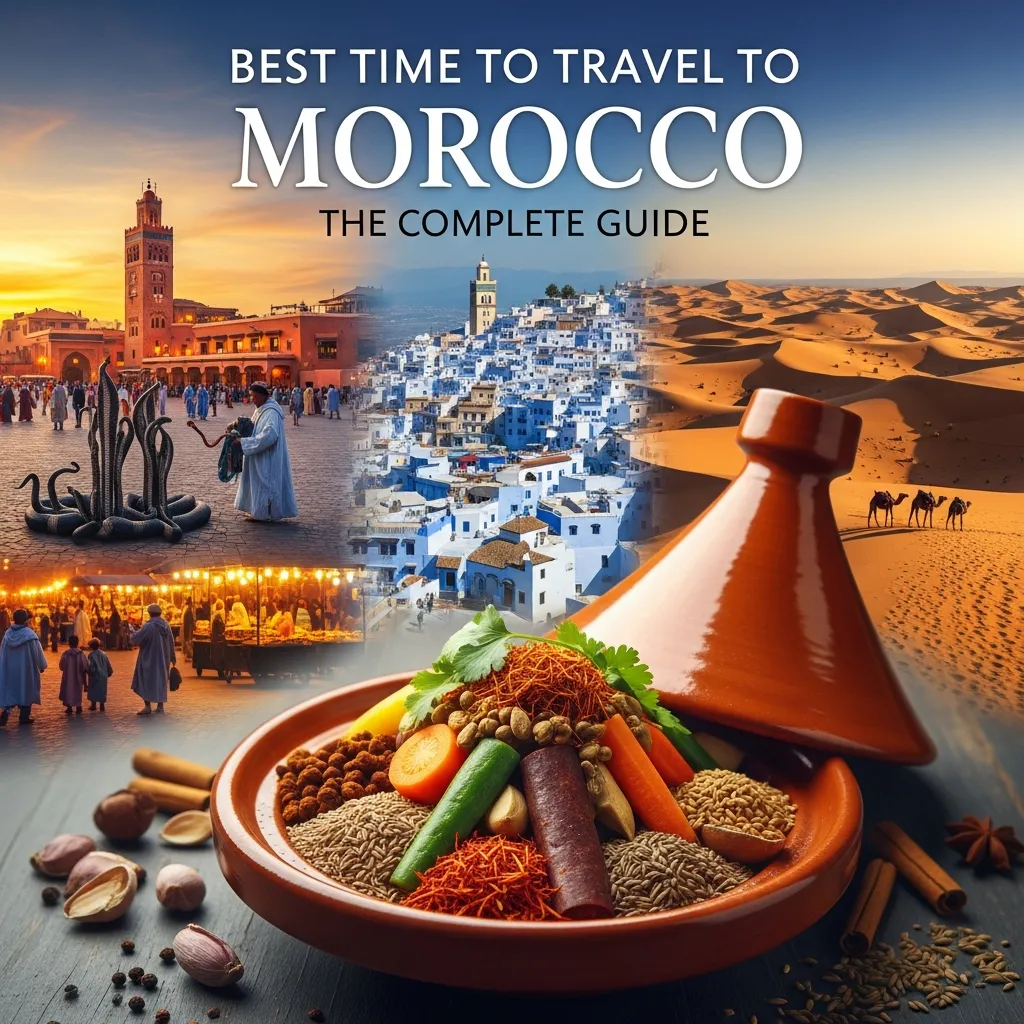
The best time to travel to Morocco is during spring (March to May) or autumn (September to November), when temperatures are mild, landscapes are stunning, and crowds are manageable. However, each season offers unique advantages depending on your destination—whether it’s the Sahara Desert, Atlas Mountains, or Atlantic coast.
Morocco doesn’t ease you in gently. From the moment you step off the plane, you’re met with the scent of spices drifting from medina alleyways, the call to prayer echoing across terracotta rooftops, and a kaleidoscope of color that no photograph quite captures. It’s a country that rewards the curious traveler—but only if you show up at the right time.
Timing your trip to Morocco is more than a matter of personal preference. The country spans multiple climate zones, from the snowcapped Atlas Mountains to the scorching Sahara and the breezy Atlantic coast. A week in Marrakech in July feels entirely different from a week there in April. Plan around the wrong season, and you might find yourself wilting in 110°F heat or shivering through mountain nights without the right gear.
This guide breaks down every season, every region, and every major festival to help you find your perfect window. Whether you’re planning a desert trek, a surf trip to Taghazout, or a cultural deep-dive through Fes and Rabat, understanding Morocco’s seasonal rhythms is the single most important step you can take before booking your flights.
We’ll also touch on how Morocco stacks up against other popular destinations—including the best time to travel to Turkey, the best time to travel to South Korea, and the best time to travel to the Maldives—so you can decide which adventure suits you best.
Understanding Morocco’s Climate Zones
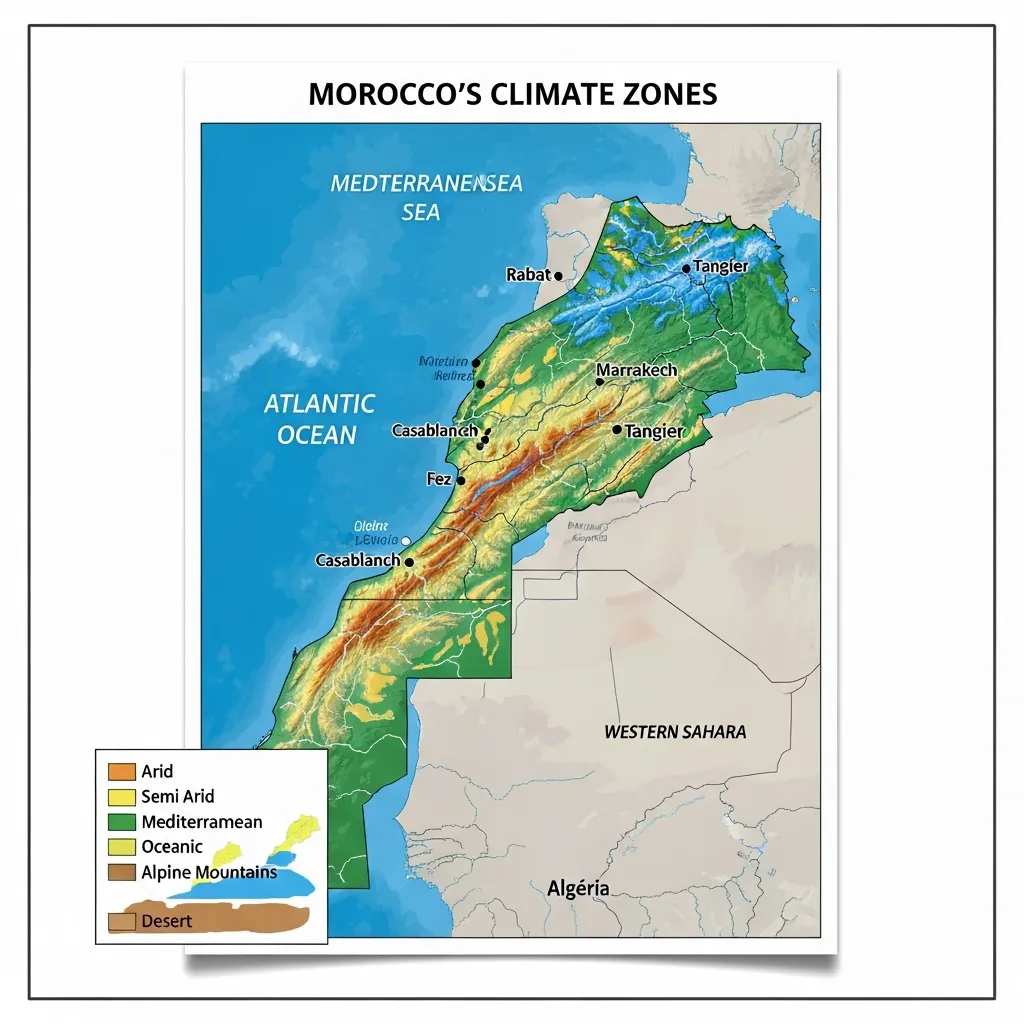
Before diving into seasons, it helps to understand that Morocco isn’t climatically uniform. The country’s geography creates dramatically different weather patterns across regions.
Mediterranean Coast: Mild Winters, Hot Summers
Cities like Tangier and Tetouan sit along Morocco’s northern Mediterranean coast, where summers are warm and dry (temperatures hover around 85–90°F) and winters are mild and rainy. This region closely mirrors southern Spain in climate, making it pleasant to visit for most of the year.
Atlas Mountains: Cold Winters, Warm Summers
The Atlas range—which runs diagonally across the country—experiences genuine alpine conditions. Winter temperatures in higher elevations regularly drop below freezing, and snowfall is common from December through February. Summers are refreshingly cool, offering respite from the lowland heat.
Sahara Desert: Extreme Temperatures
The Saharan regions around Merzouga and the Draa Valley experience extreme temperature swings. Daytime summer temperatures can exceed 110°F, while winter nights can dip close to freezing. The best time to travel to Morocco for desert exploration is definitively spring or autumn, when daytime temperatures are far more forgiving.
Inland Cities (Marrakech, Fes): Hot Summers, Cool Winters
Marrakech and Fes, Morocco’s most-visited imperial cities, bake in summer. July and August regularly see highs above 100°F. Winters are cool—sometimes genuinely cold at night—but rarely brutal. Spring and autumn strike the perfect balance.
The Best Time to Travel to Morocco: A Seasonal Breakdown
Spring (March to May): The Golden Window for Morocco Travel
Spring is widely regarded as the best time to travel to Morocco, and for good reason. Temperatures across the country settle into an ideal range—typically 65–80°F during the day—while the landscape bursts into color following winter rains.
Weather: Mild and comfortable, with the occasional shower early in the season. By April and May, conditions are consistently sunny and warm.
Activities: This is prime time for hiking the High Atlas, exploring the medinas of Marrakech and Fes, and wandering the botanical gardens of Marrakech. The Sahara is still cool enough for overnight camel treks without the crushing heat.
Festivals:
- Rose Festival (El Kelaa M’Gouna, May): A spectacular celebration in the Valley of Roses, where locals harvest rose petals and parade through the streets.
- Fes Festival of World Sacred Music (May/June): One of Africa’s most prestigious cultural events, drawing musicians and artists from across the globe to the ancient city of Fes.
Pros: Ideal temperatures, lush green countryside, vibrant festivals, manageable crowds compared to peak summer.
Cons: Slightly higher accommodation prices compared to winter. Popular riads book up quickly—reserve early.
Autumn (September to November): Another Excellent Season
Autumn runs a close second as the best time to travel to Morocco. The brutal summer heat subsides by September, and by October, conditions across the country are genuinely beautiful.
Weather: Warm days (75–90°F) and cooler evenings create comfortable sightseeing conditions. The Sahara becomes accessible again, and the light in late October and November is extraordinary for photography.
Activities: Desert treks, surf sessions along the Atlantic coast (Taghazout and Essaouira pick up consistent swell), cultural city tours, and wine harvests in the Meknes region.
Festivals:
- Erfoud Date Festival (October): A vibrant harvest celebration in the date palm groves of southeastern Morocco.
- Marrakech Popular Arts Festival (varies): A showcase of traditional Moroccan music, storytelling, and craft.
Pros: Excellent weather, manageable tourist crowds, beautiful natural light, and accessible desert conditions.
Cons: Southern regions like Ouarzazate can still be warm in early September. Pack light layers for evenings.
Winter (December to February): Desert Magic and Mountain Snow
Winter is Morocco’s quietest tourist season, and it offers a surprisingly rich travel experience for those willing to embrace the cold.
Weather: Coastal cities like Essaouira and Agadir stay mild (55–65°F). Inland cities like Marrakech cool significantly—nights can drop to 40°F. The Atlas Mountains receive heavy snowfall, and the Sahara nights are cold but the days remain sunny and clear.
Activities: Skiing at Oukaimeden (Morocco’s main ski resort, just an hour from Marrakech), desert safaris under crystal-clear skies, and unhurried exploration of medinas without the summer crowds.
Festivals:
- Yennayer (January 13–14): The Amazigh (Berber) New Year, celebrated across the Atlas Mountains with traditional music, food, and ceremony.
Pros: Lowest prices of the year, far fewer tourists, excellent desert and mountain conditions, and a more authentic local atmosphere.
Cons: Short daylight hours limit sightseeing time. Mountain nights require serious cold-weather gear.
Summer (June to August): Coastal Escapes and Mountain Retreats
Summer is the most challenging season for inland travel, but it has its merits for those heading to the coast or higher elevations.
Weather: Extreme heat dominates inland cities—Marrakech regularly exceeds 100°F in July. Coastal towns benefit from Atlantic breezes, keeping temperatures 10–15°F cooler. The High Atlas offers a cool retreat.
Activities: Beach towns like Essaouira, Asilah, and Agadir come alive. Surfing, kiteboarding, and seaside relaxation are the main events. High-altitude trekking in the Atlas is viable and spectacular.
Festivals:
- Gnaoua World Music Festival (Essaouira, June): A world-famous four-day festival celebrating the Gnaoua musical tradition, drawing hundreds of thousands of visitors to the windswept coastal town.
Pros: Lively beach scenes, good deals on inland accommodation, and long daylight hours.
Cons: Sightseeing in cities like Marrakech and Fes is exhausting in the heat. Coastal towns get crowded with European tourists.
Regional Considerations: Where to Go and When
Best Time for Desert Exploration in the Sahara
The Saharan south—including Merzouga and the Erg Chebbi dunes—is best visited in spring (March to May) or autumn (October to November). Daytime temperatures sit between 75–90°F, making camel treks and overnight camping genuinely enjoyable. Avoid June through August entirely; the heat makes outdoor activity dangerous.
Best Time for Atlas Mountain Trekking
Spring and autumn are the best seasons for trekking in the High Atlas. Spring brings wildflowers and running streams; autumn delivers clear skies and golden light. Toubkal, North Africa’s highest peak at 13,671 feet, is best summited in late spring (May to June) or early autumn (September).
Best Time for Coastal Activities
Morocco’s Atlantic coast—particularly Essaouira and Taghazout—is great for surfing from September through April, when Atlantic swells are most consistent. For beach relaxation, summer is the obvious choice, when the coast is warm and buzzing.
Best Time for Imperial Cities
Spring and autumn are the best times to explore Marrakech, Fes, Rabat, and Meknes. Mild temperatures make long days of medina wandering, museum visits, and rooftop dining pleasurable rather than punishing.
Festivals and Events: Planning Around Moroccan Culture
Ramadan: What Travelers Should Know
Ramadan has a significant impact on the travel experience in Morocco. During the holy month (dates shift annually based on the Islamic lunar calendar), many restaurants close during daylight hours, tourist services run on reduced schedules, and the atmosphere in cities changes noticeably. That said, the breaking of the fast at sunset (Iftar) is a magical experience, and travelers who approach it respectfully will find a deeply warm and generous culture on display.
Major Cultural Festivals at a Glance
- Eid al-Fitr: Marks the end of Ramadan. The country largely shuts down for two to three days—plan transport carefully.
- Eid al-Adha: The Festival of Sacrifice, observed approximately 70 days after Eid al-Fitr. Another significant national pause.
- Fes Festival of World Sacred Music (May/June): Book accommodation months in advance—this event fills the city.
- Gnaoua World Music Festival, Essaouira (June): One of the continent’s great music events.
Practical Tips for Your Moroccan Journey
Packing Essentials by Season
- Spring/Autumn: Light layers, a rain jacket for early spring, comfortable walking shoes, sun protection.
- Summer: Breathable fabrics, strong sunscreen, a hat, and a reusable water bottle.
- Winter: A warm coat for evenings and mountain trips, thermal layers for desert nights, waterproof footwear.
Booking Flights and Accommodation
Major gateways include Casablanca (Mohammed V International), Marrakech Menara, and Agadir. Budget airlines like Ryanair and easyJet connect Morocco to dozens of European cities. For riads in Marrakech and Fes, book at least two to three months ahead during spring and autumn.
Air Travel Health Considerations
Before flying to Morocco, review a reliable Air Travel Health Guide to understand vaccination requirements, recommended health precautions, and travel insurance options. Morocco requires no specific vaccinations for most nationalities, but hepatitis A, typhoid, and rabies vaccinations are commonly recommended by travel health clinics. Always consult your doctor or a travel medicine specialist at least four to six weeks before departure.
How Morocco Compares to Other Popular Destinations
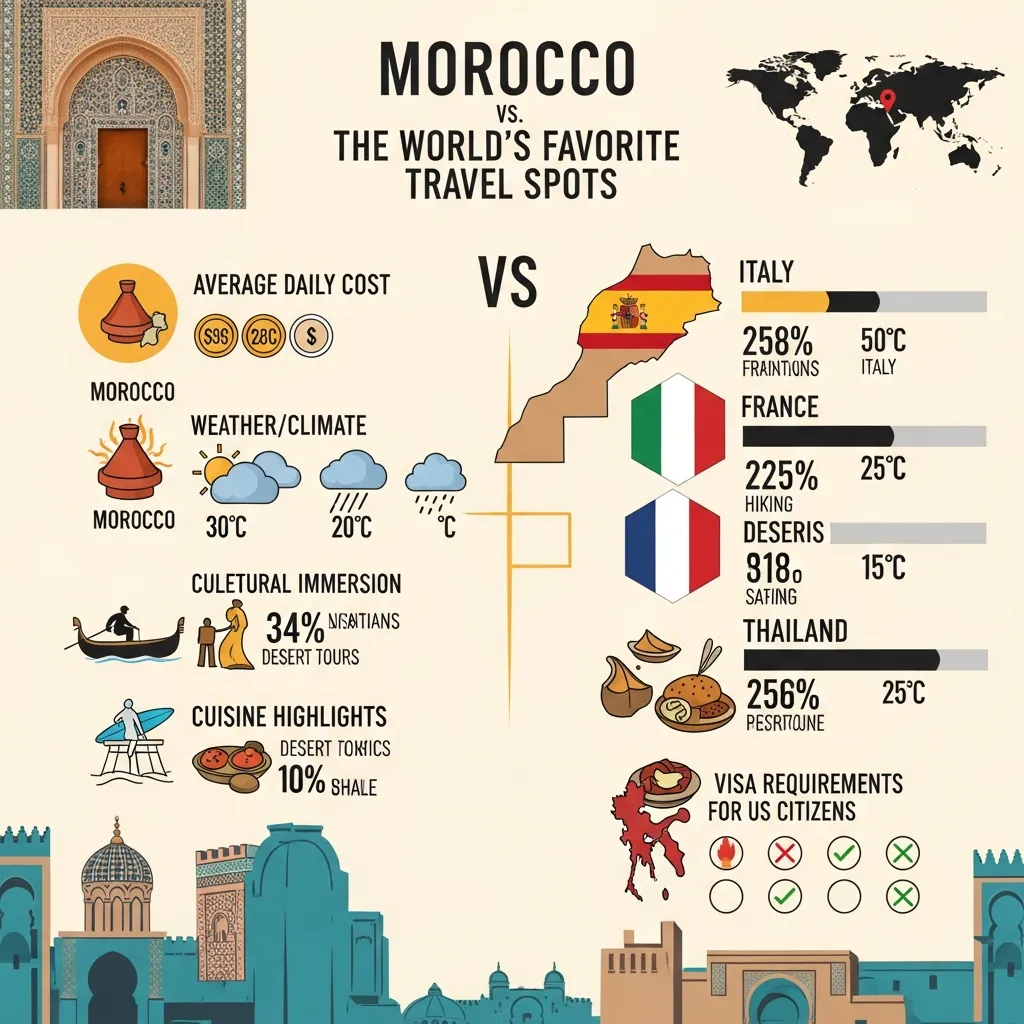
Choosing between Morocco and other global destinations often comes down to timing and experience type.
The best time to travel to Turkey is also spring (April to May) or autumn (September to October)—similar to Morocco—making the two destinations natural alternatives. Turkey offers a blend of European and Middle Eastern culture with a different coastal dynamic.
The best time to travel to South Korea is spring (April to May) for cherry blossoms and autumn (September to November) for foliage—again overlapping with Morocco’s peak seasons, which means travelers choosing between the two destinations face a genuine scheduling trade-off.
The best time to travel to the Maldives is December through April, during the dry northeast monsoon season. Unlike Morocco, the Maldives is primarily a beach and water sports destination with minimal cultural sightseeing—making it a very different kind of trip.
Morocco’s unique appeal lies in its sheer variety. Desert, mountain, coast, and ancient imperial cities—all within a country roughly the size of Texas. Few destinations on earth offer that range in a single trip.
Conclusion
The best time to travel to Morocco is undeniably spring or autumn, but every season has something to offer depending on what you’re after. Summer delivers lively beaches and world-class music festivals. Winter opens up the desert and mountains to those willing to trade warmth for solitude and lower prices.
Plan around the region you most want to experience, check the festival calendar, and—if Ramadan falls during your travel window—decide whether you want to embrace that unique cultural dimension or schedule around it.
Morocco rewards those who come prepared. Book early for spring and autumn, pack layers regardless of season, consult an Air Travel Health Guide before departure, and keep an open mind. The country has a way of exceeding expectations—no matter when you choose to arrive.
Frequently Asked Questions
1. What is the Best Time to Travel to Morocco overall?
The Best Time to Travel to Morocco is during spring (March to May) and autumn (September to November). These seasons offer pleasant temperatures, fewer crowds, and ideal conditions for exploring Marrakech, the Sahara Desert, the Atlas Mountains, and Morocco’s coastal cities.
2. Is the Best Time to Travel to Morocco also the safest time for solo travelers?
Yes. The Best Time to Travel to Morocco for solo travelers is spring or autumn, when the weather is comfortable and tourism infrastructure is at its best. Morocco is generally safe, but staying aware of your surroundings and using trusted local guides is always recommended.
3. Is Ramadan the Best Time to Travel to Morocco?
Ramadan offers a unique cultural experience, but it may not be the Best Time to Travel to Morocco if you want regular restaurant hours and full tourist services. Travelers interested in local traditions may enjoy visiting during this holy month.
4. Is summer the Best Time to Travel to Morocco?
Summer is not usually the Best Time to Travel to Morocco for inland destinations like Marrakech or Fes because temperatures can exceed 100°F (38°C). However, coastal cities such as Essaouira and Agadir remain much cooler and are excellent summer destinations.
5. What is the cheapest Best Time to Travel to Morocco?
If you’re traveling on a budget, winter (December to February) is often the Best Time to Travel to Morocco because hotel rates and flight prices are generally lower, except during Christmas and New Year holidays.
6. What is the Best Time to Travel to Morocco for the Sahara Desert?
The Best Time to Travel to Morocco for a Sahara Desert adventure is from March to May or October to November. These months provide comfortable daytime temperatures for camel trekking, desert camping, and sunset excursions.
7. What festivals should I consider when choosing the Best Time to Travel to Morocco?
The Best Time to Travel to Morocco may coincide with famous festivals like the Rose Festival (May), Fes Festival of World Sacred Music (May/June), Gnaoua World Music Festival (June), and the Erfoud Date Festival (October). These events add unforgettable cultural experiences to your trip.
8. How does the Best Time to Travel to Morocco compare with Turkey?
The Best Time to Travel to Morocco closely matches the best time to visit Turkey, with spring and autumn offering ideal weather in both countries. Morocco is better for desert adventures and cultural immersion, while Turkey excels in coastal resorts and historical landmarks.
9. What should I pack during the Best Time to Travel to Morocco?
During the Best Time to Travel to Morocco, pack lightweight clothing, comfortable walking shoes, sunglasses, sunscreen, and a light jacket for cooler evenings. Mountain and desert trips may also require warmer layers.
10. Is the Best Time to Travel to Morocco better than visiting the Maldives?
The Best Time to Travel to Morocco is ideal for travelers seeking culture, history, mountains, and desert adventures. By comparison, the Maldives is best known for beaches, luxury resorts, and water activities. Your choice depends on your travel style.
11. Can I ski during the Best Time to Travel to Morocco?
If skiing is your goal, the Best Time to Travel to Morocco is between December and February. During winter, Oukaimeden Ski Resort in the High Atlas Mountains receives reliable snowfall and offers one of Africa’s most unique skiing experiences.
12. How does the Best Time to Travel to Morocco compare with South Korea?
The Best Time to Travel to Morocco and the best time to visit South Korea both fall in spring and autumn. Morocco is perfect for travelers seeking traditional culture, desert landscapes, and historic medinas, while South Korea is known for modern cities, cherry blossoms, and colorful autumn scenery.