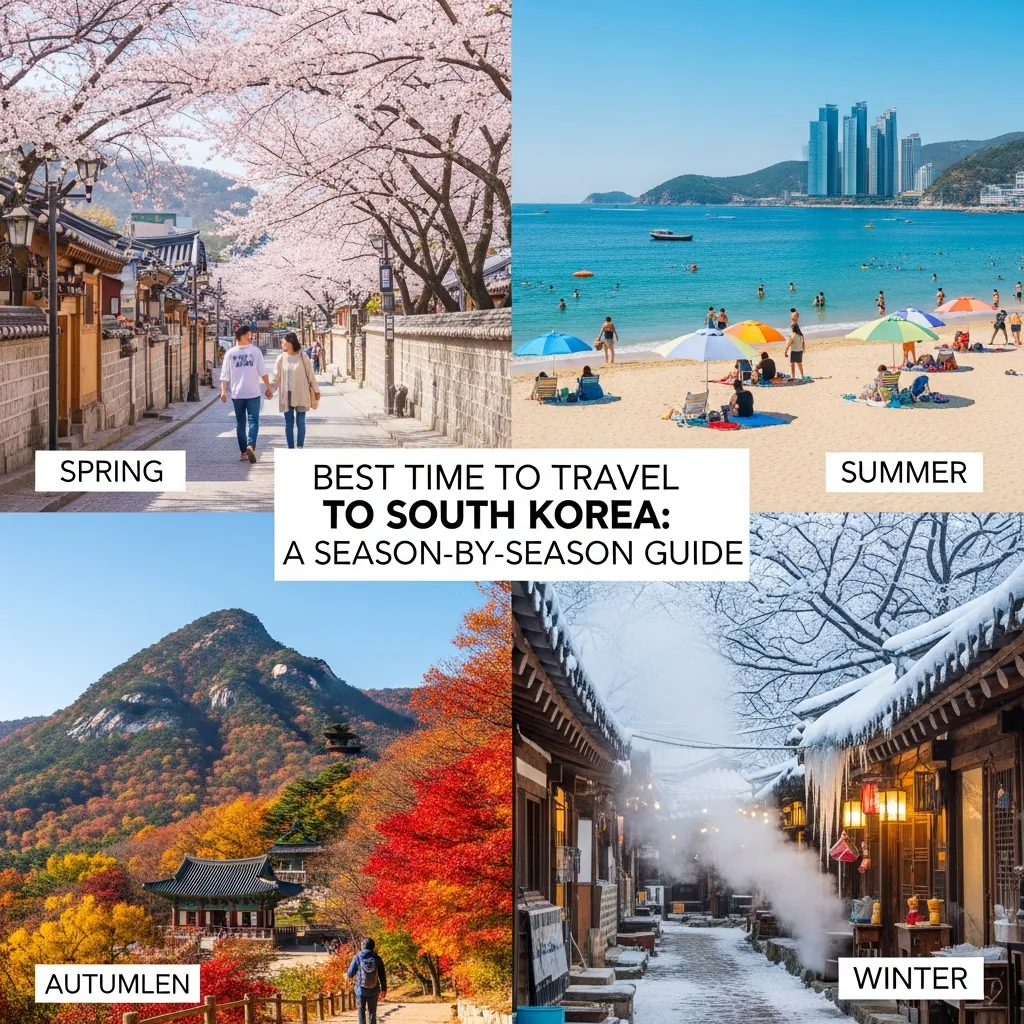
The best time to travel to South Korea is spring (March–May) or autumn (September–November), when temperatures are mild, skies are clear, and the country bursts with cherry blossoms or golden foliage. Summer brings beach festivals but heavy humidity; winter offers world-class skiing and dazzling light festivals.
South Korea sits at a fascinating crossroads—ancient palaces, neon-lit cities, and mountain trails all packed into a peninsula roughly the size of Indiana. Whether you’re drawn by K-pop culture, centuries-old temples, or some of the world’s most exciting street food, the country delivers. But timing your visit well can mean the difference between a trip you’ll talk about for decades and one spent sheltering from monsoon rain.
This guide breaks down everything you need to know about the best time to travel to South Korea, season by season. You’ll find details on weather patterns, major festivals, crowd levels, cost considerations, and sustainable travel practices—so you can land in Seoul (or Busan, or Jeju) fully prepared.
Why South Korea Belongs on Your Travel List
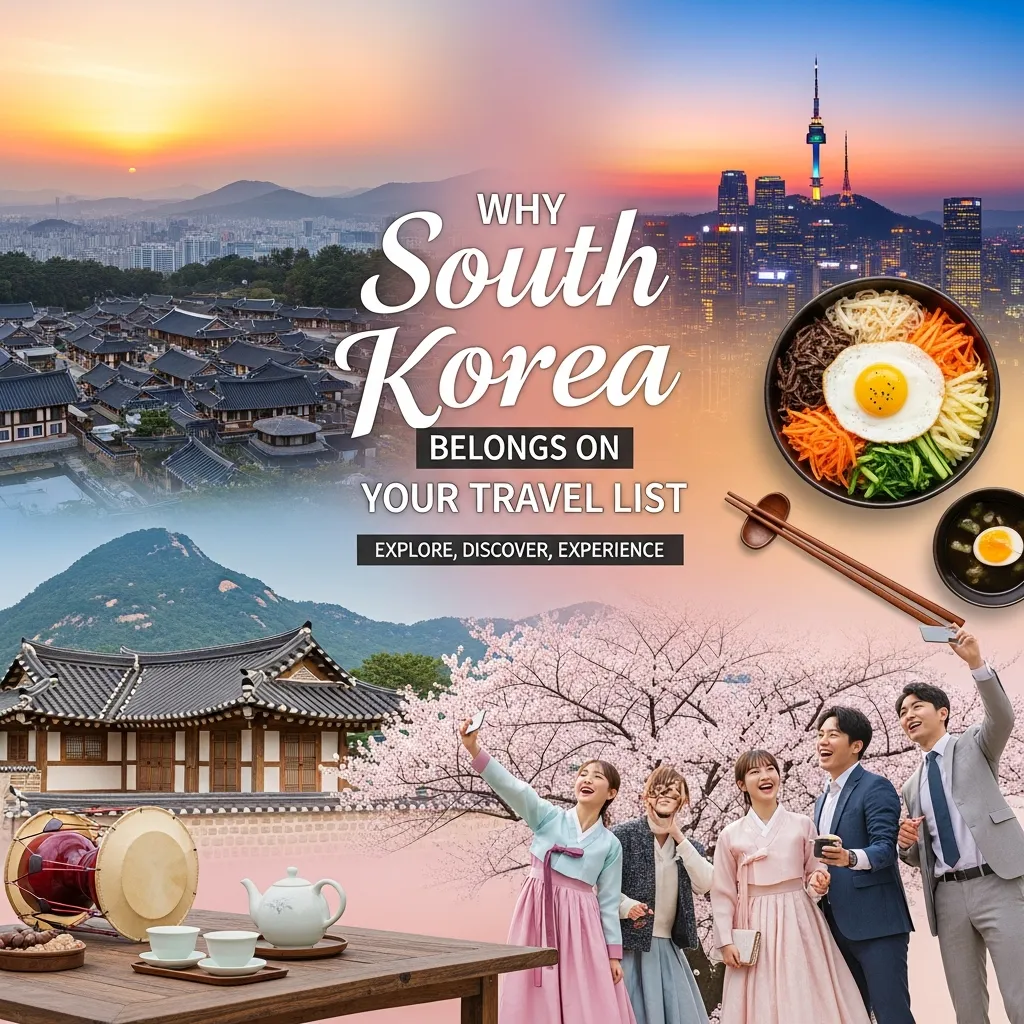
South Korea welcomed over 17 million international visitors in 2019, according to the Korea Tourism Organization—and for good reason. The country offers a rare combination: hyper-modern infrastructure, deep cultural heritage, and natural beauty that shifts dramatically with the seasons. K-drama fans will recognize locations in Seoul like Gyeongbokgung Palace and Namsan Tower; foodies will chase tteokbokki, bibimbap, and Korean BBQ; history lovers can spend weeks exploring temples, fortresses, and UNESCO World Heritage Sites.
South Korea’s climate is temperate and four-seasons continental. Winters are cold and dry; summers are hot and wet. Spring and autumn are the sweet spots—comfortable temperatures, lower rainfall, and stunning natural scenery. Understanding which season aligns with your interests is the first step toward planning a trip that truly clicks.
Spring in South Korea (March–May): Cherry Blossoms and Festival Energy
What makes spring the best time to travel to South Korea for first-timers?
Spring is widely considered the best time to travel to South Korea, particularly for first-time visitors. Temperatures across the country range from about 10°C to 20°C (50°F–68°F), making sightseeing genuinely comfortable. The big draw? Cherry blossoms.
South Korea’s cherry blossom season typically peaks between late March and mid-April, starting in Jeju Island and moving northward to Seoul. The Yeouido Spring Flower Festival in Seoul is one of the most photographed events in East Asia—hundreds of thousands of visitors line the Han River embankment beneath clouds of pink and white petals.
Beyond cherry blossoms, spring also brings the Lotus Lantern Festival (usually in May), which celebrates the Buddha’s birthday with elaborate lantern parades through Seoul’s streets. Jinhae, a small coastal city near Busan, hosts the Gunhangje Festival—widely regarded as South Korea’s most spectacular cherry blossom event.
Pros: Perfect temperatures, stunning scenery, vibrant festival calendar.
Cons: Popular sites get crowded fast. Book accommodations early—sometimes months in advance.
Summer in South Korea (June–August): Heat, Humidity, and Beach Culture
Is summer a good time to travel to South Korea?
Summer is the most complex season for travel planning. June starts pleasantly, but July and August bring the monsoon season (jangma), delivering heavy rainfall and thick humidity. Temperatures routinely hit 30°C–35°C (86°F–95°F), and heat indexes can climb higher in Seoul due to the urban heat island effect.
That said, summer has genuine appeal. Haeundae Beach in Busan transforms into one of Asia’s busiest seaside destinations. The Boryeong Mud Festival (July) draws massive international crowds to its coastal mud baths and concerts. For those craving a beach-party atmosphere, summer delivers.
Tips for summer travel: Pack light, breathable clothing, a compact umbrella, and a portable fan. Book air-conditioned accommodations—they’re essential, not optional. Travel to coastal regions and higher elevations (like Seoraksan National Park) to escape Seoul’s urban heat.
Summer also tends to be one of the more affordable times to visit if you travel outside of the peak school holiday windows in late July and early August.
Autumn in South Korea (September–November): The Undisputed Best Season
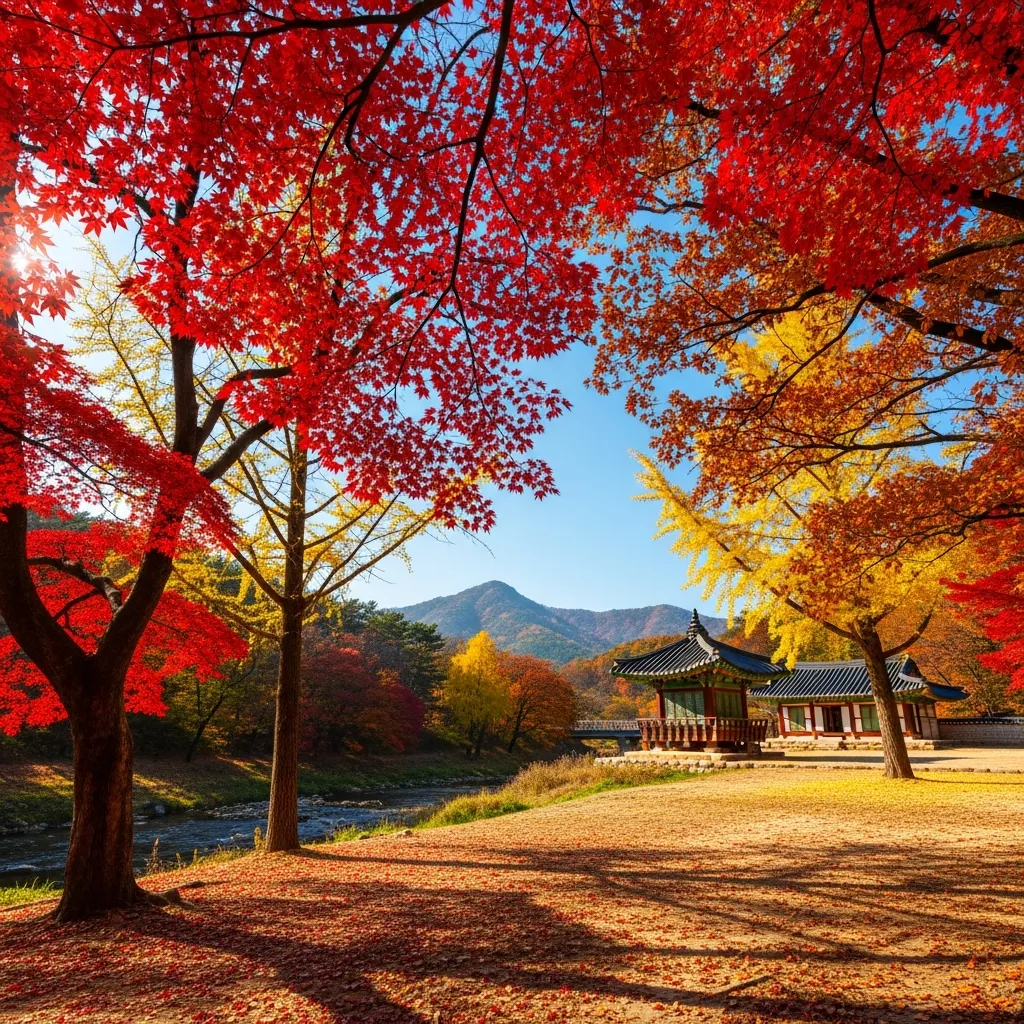
Why do travel experts call autumn the best time to travel to South Korea?
Autumn rivals spring as the best time to travel to South Korea—and for many experienced travelers, it edges ahead. September brings relief from summer humidity almost overnight. By October, temperatures settle between 10°C and 22°C (50°F–72°F), and the country’s mountains, parks, and temple grounds ignite in shades of crimson, orange, and gold.
Seoraksan National Park (near the east coast) typically turns first, usually in early October. Naejangsan National Park in the southwest follows with one of the most vivid foliage displays on the continent. Gyeongju, South Korea’s ancient capital, becomes particularly magical as its UNESCO-listed royal tombs and temples glow against autumn color.
Culturally, autumn is rich. The Chuseok harvest festival (the Korean equivalent of Thanksgiving, typically falling in September or October) is South Korea’s most important holiday. Families gather, ancestral rites are performed, and traditional food—songpyeon rice cakes, japchae, and galbi—takes center stage. Note, however, that many businesses close during Chuseok week, and domestic travel surges.
Why autumn stands out: Ideal weather, lower humidity than summer, fewer crowds than spring peak periods, and spectacular natural scenery.
Winter in South Korea (December–February): Snow, Skiing, and Festive Warmth
What can travelers expect during winter in South Korea?
South Korean winters are cold and dry. Seoul regularly dips below 0°C (32°F) in January, and northern regions experience heavy snowfall. For some travelers, this is exactly the appeal.
Pyeongchang (host of the 2018 Winter Olympics) and Muju Deogyusan Resort are among Asia’s top ski destinations. Day trips from Seoul to slopes like Vivaldi Park or Bears Town are straightforward by public transit—a major advantage over ski destinations in other countries.
Beyond skiing, the Hwacheon Sancheoneo Ice Festival draws visitors to frozen rivers for ice fishing and winter sports. Seoul’s Christmas and New Year celebrations light up Myeongdong and Gwanghwamun Square. The Lunar New Year (Seollal, typically in late January or early February) echoes many of Chuseok’s traditions, including family gatherings and traditional games.
Tips for winter travel: Layer strategically. Seoul’s wind chill makes temperatures feel significantly colder than the thermometer suggests. Heated public transportation and ondol (underfloor heating) in traditional accommodations make the cold very manageable.
Korean winter cuisine becomes part of the cultural experience: hotteok (sweet pancakes), dakgalbi (spicy stir-fried chicken), and bowls of steaming sundubu-jjigae (soft tofu stew) are winter staples worth tracking down.
Beyond Seasons: Key Factors for Planning Your Trip to South Korea
When are the peak travel times and how do they affect the best time to travel to South Korea?
Two holidays dominate the domestic travel calendar: Chuseok and Seollal. During these periods, trains, buses, and highways reach capacity. Prices spike significantly, and many restaurants and attractions in smaller cities close entirely. If your schedule overlaps with these holidays, book everything—transport, accommodation, restaurant reservations—well in advance.
Golden Week (late April to early May), which includes Children’s Day on May 5, is another high-traffic window. Spring school trips add to the crowd at popular attractions like Gyeongbokgung Palace.
When is the cheapest time to travel to South Korea?
The shoulder periods—mid-January through February (post-New Year) and June (before peak monsoon)—generally offer the best flight and accommodation deals. Budget travelers willing to navigate humidity or cold temperatures can find significant savings during these windows.
How does the best time to travel to South Korea vary by special interest?
- K-Pop and entertainment tourism: Year-round, but summer and autumn align with major concert seasons and K-drama filming locations’ peak accessibility.
- Food tourism: Winter and spring offer the most distinctive seasonal menus.
- History and heritage travel: Autumn’s comfortable weather makes it the ideal season for exploring Gyeongju, Suwon Hwaseong Fortress, and Jeonju Hanok Village.
Essential Sustainable Travel Tips for South Korea
Sustainable travel in South Korea is genuinely accessible—the country’s public infrastructure supports eco-conscious choices at almost every turn.
- Use public transport: Seoul’s metro system covers the city extensively and connects to intercity trains. The KTX high-speed rail network links Seoul to Busan in under three hours.
- Stay in hanok guesthouses: Traditional Korean houses offer an authentic cultural experience while supporting heritage preservation.
- Reduce single-use plastic: South Korea has strong recycling infrastructure. Carry a reusable water bottle—tap water in cities is generally safe to drink.
- Visit during shoulder seasons: Traveling in mid-spring or early autumn reduces pressure on overcrowded sites and spreads tourism spending more evenly.
- Support local businesses: Street markets, local restaurant chains, and regional craft shops invest directly back into communities.
- Respect natural parks: Seoraksan and Hallasan (Jeju’s dormant volcano) have restricted trail sections to protect ecosystems. Follow all posted guidelines.
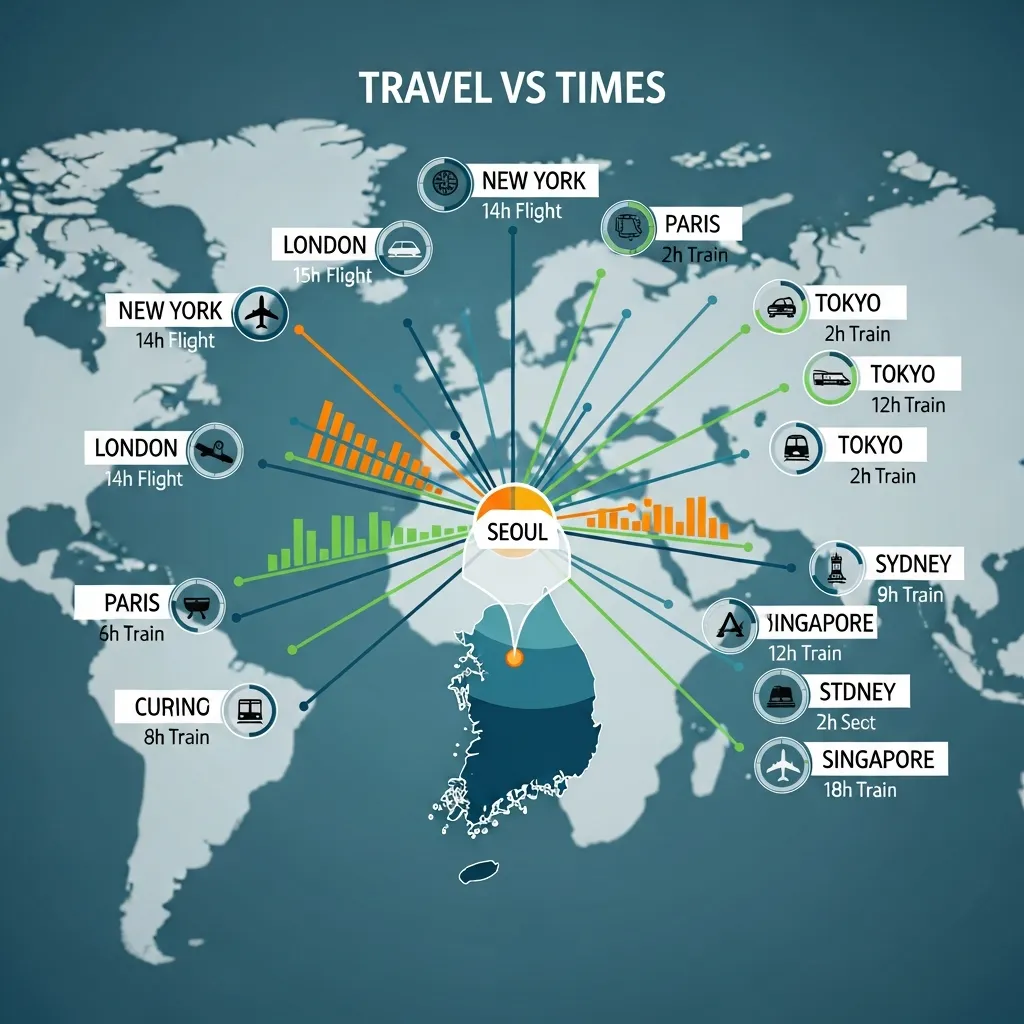
Comparing Travel Times: South Korea vs. Other Destinations
Best time to travel to Turkey
The best time to travel to Turkey is spring (April–May) or autumn (September–October), when temperatures across Istanbul, Cappadocia, and the Aegean coast are moderate. Summer is extremely hot in central Anatolia and crowded along the coast, while winter limits access to outdoor sites. South Korea and Turkey share similar optimal travel windows, making both destinations appealing back-to-back on an extended itinerary.
Best time to travel to Egypt
The best time to travel to Egypt is October through April, when temperatures across Cairo, Luxor, and the Nile Valley fall into the comfortable range of 20°C–30°C (68°F–86°F). Summer temperatures in Upper Egypt regularly exceed 40°C (104°F), making outdoor sightseeing challenging. Unlike South Korea, Egypt has no significant monsoon season, so the primary variable is heat rather than rainfall.
Best time to travel to Maldives
The best time to travel to Maldives is November through April, the dry season, when the northeast monsoon brings calm seas and minimal rainfall. This is also peak season, so prices climb sharply. The wet season (May–October) brings rain and choppier waters, but offers significant cost savings. South Korea’s spring and autumn align well with the Maldives’ shoulder season, making a combination trip feasible for travelers seeking both cultural depth and beach relaxation.
Conclusion: Planning Your Perfect South Korean Adventure
The best time to travel to South Korea depends on what kind of experience you’re after—but spring and autumn consistently deliver the most rewarding combination of weather, scenery, and cultural events. Spring’s cherry blossoms and autumn’s fiery foliage represent two of Northeast Asia’s most celebrated natural spectacles, and they frame a travel season that runs from March through November with relatively few weather-related obstacles.
Winter rewards those who embrace the cold with world-class ski resorts, dazzling festivals, and far fewer crowds. Summer suits beach lovers and festival-goers willing to tolerate heat and humidity in exchange for a more vibrant, energetic atmosphere.
Whichever season you choose, South Korea is a destination that rewards planning. Book transport and popular accommodations early, respect the rhythms of major holidays, and lean into sustainable travel choices that preserve what makes this country special. Your perfect Korean journey is closer than you think—it just needs a start date.
Frequently Asked Questions About Traveling to South Korea
When is the cheapest time to fly to South Korea?
Mid-January through February and early June typically offer the lowest airfares to South Korea. These shoulder periods sit between major holidays and peak tourist seasons, meaning airlines and hotels reduce prices to fill capacity. Booking at least 8–12 weeks in advance improves your chances of securing the best rates.
What should I pack for each season in South Korea?
For spring and autumn, pack light layers and a compact rain jacket. Summer requires breathable, moisture-wicking fabrics and a portable umbrella for sudden downpours. Winter demands thermal base layers, a heavy coat, gloves, and a scarf—Seoul’s wind chill can be biting. Comfortable walking shoes are essential year-round.
Is English widely spoken in South Korea?
English is widely spoken in Seoul, particularly in tourist-heavy areas like Myeongdong, Itaewon, and Hongdae, as well as in hotels and at major attractions. Outside major cities, English proficiency drops. Downloading a Korean translation app (such as Papago, developed by Naver) is strongly recommended for rural travel.
How do I get around South Korea?
South Korea’s public transportation network is one of the best in Asia. Seoul’s metro system is extensive, affordable, and easy to navigate with English signage. The KTX high-speed train connects major cities efficiently—Seoul to Busan takes approximately 2.5 hours. T-money cards work across buses, subways, and some taxis nationwide.
What are the must-try foods in South Korea?
Prioritize bibimbap (mixed rice bowl), tteokbokki (spicy rice cakes), Korean BBQ (samgyeopsal), kimchi jjigae (kimchi stew), bibim naengmyeon (cold buckwheat noodles), and hotteok (sweet street pancakes) in winter. Jeju Island is known for black pork BBQ and haenyeo-caught seafood. Seoul’s night markets, especially Gwangjang Market, are ideal for adventurous food exploration.
Are there visa requirements for traveling to South Korea?
Citizens of over 100 countries—including the United States, United Kingdom, Canada, and Australia—can enter South Korea visa-free for short stays, typically up to 90 days. Requirements vary by nationality, so check the latest guidelines with South Korea’s Ministry of Foreign Affairs or your country’s embassy before booking.
What are some unique cultural experiences in South Korea?
Staying in a temple stay program (templestay.com) offers an authentic introduction to Korean Buddhism. Visiting a jjimjilbang (traditional Korean bathhouse and sauna) is a quintessential local experience. Renting a hanbok (traditional Korean dress) to explore Gyeongbokgung Palace, attending a K-pop music show recording, and participating in a Korean cooking class are all memorable additions to any itinerary.
Is South Korea safe for solo travelers?
South Korea consistently ranks among the safest countries in the world for solo travel. Violent crime rates are very low, public spaces are well-lit, and the transportation network makes independent navigation straightforward. Solo female travelers, in particular, find South Korea welcoming—Seoul regularly appears in global safety rankings for women traveling alone.
How long should I plan my trip to South Korea?
A 10–14 day trip allows enough time to explore Seoul thoroughly, day-trip to areas like the DMZ or Suwon, and travel south to Gyeongju, Busan, or Jeju Island. Two weeks is the sweet spot for a well-rounded experience. Budget travelers and those focusing solely on Seoul may find 7 days sufficient.
What are the best places to visit in South Korea?
Seoul (Gyeongbokgung Palace, Bukchon Hanok Village, Hongdae, Insadong), Busan (Gamcheon Culture Village, Haeundae Beach, Jagalchi Fish Market), Jeju Island (Hallasan volcano, Seongsan Ilchulbong, black sand beaches), Gyeongju (Bulguksa Temple, Tumuli Park), and Jeonju (Hanok Village, bibimbap birthplace) are widely considered the country’s essential destinations.
How can I enjoy South Korea on a budget?
South Korea is very budget-friendly with the right approach. Guesthouses and hostels in major cities start from around $20–$30 USD per night. Street food from pojangmacha (street stalls) costs as little as $2–$5 per meal. Public transport is inexpensive, and many of Seoul’s best attractions—including its parks, palaces (one free day per week), and markets—are either free or low-cost.
What is the best time to travel to South Korea for festivals?
Spring (April–May) for the Lotus Lantern Festival and cherry blossom celebrations; autumn (September–October) for Chuseok and foliage festivals; winter (January–February) for the Hwacheon Ice Festival and Seollal. Summer’s Boryeong Mud Festival (July) is South Korea’s most internationally recognized warm-weather event.