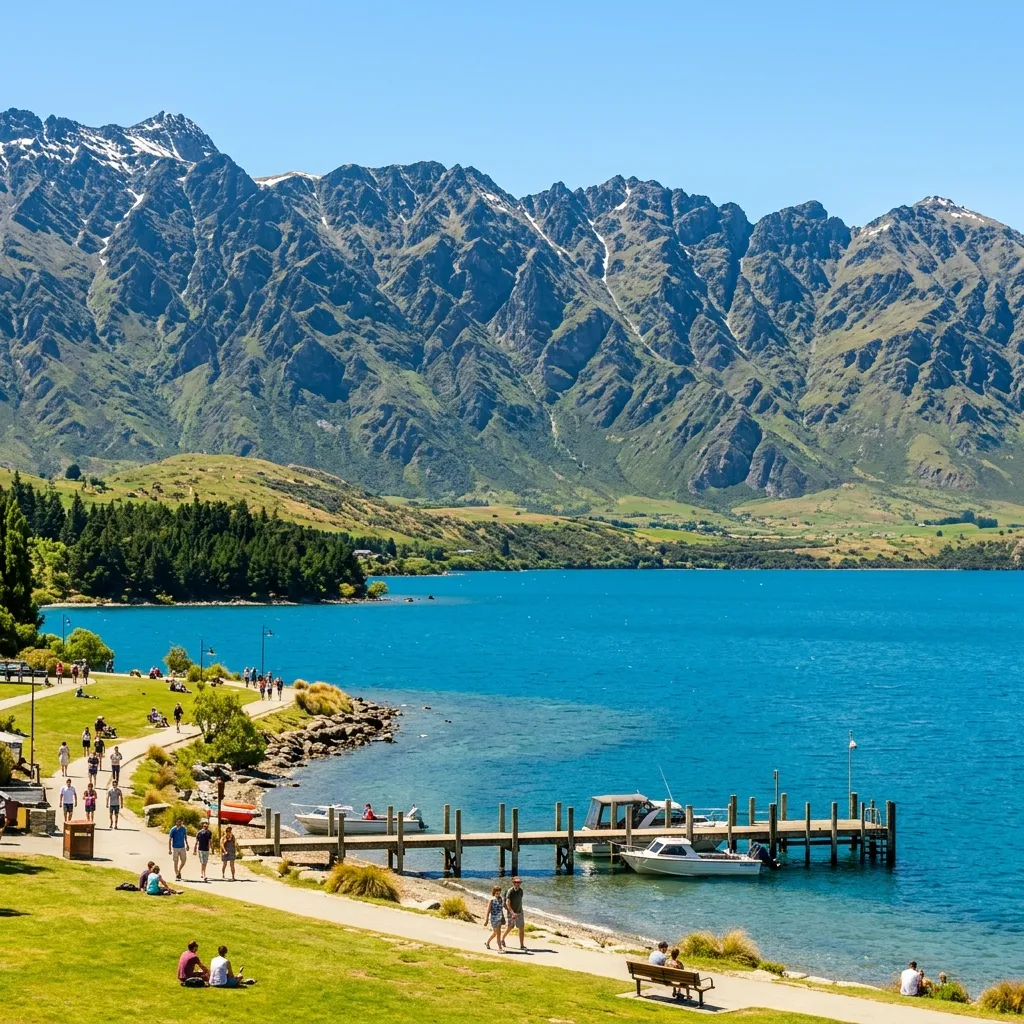
The best time to travel to New Zealand is during summer (December to February) for warm weather, beaches, and hiking, or winter (June to August) for skiing in the South Island. Spring and autumn offer mild weather, fewer crowds, and lower prices, making them ideal for budget-conscious travelers.
New Zealand sits at the bottom of the world, where snow-capped peaks meet golden beaches and rolling green hills. It’s a country that packs more scenery into two islands than most places fit into entire continents. But timing your visit well can make the difference between a good trip and an unforgettable one.
Because New Zealand’s seasons are flipped from those in the Northern Hemisphere, the best time to travel to New Zealand depends heavily on what you want to do. Are you chasing powder snow, sunny beach days, or quiet trails through native forest? Each season delivers something different.
This guide breaks down every season, region, and activity so you can choose the best time to travel to New Zealand for your style of adventure. You’ll also find packing tips, budgeting advice, and comparisons with other bucket-list destinations to help you plan with confidence.
Why New Zealand Belongs on Your Travel List

New Zealand draws over three million international visitors each year, and it’s easy to see why. From the geothermal pools of Rotorua to the fjords of Milford Sound, the landscapes shift dramatically within just a few hours of driving.
The country has a temperate maritime climate, which means it rarely gets brutally hot or bitterly cold. Temperatures range from around 50°F (10°C) in winter to 77°F (25°C) in summer across most regions. Seasons run opposite to Europe and North America:
- Spring: September to November
- Summer: December to February
- Autumn: March to May
- Winter: June to August
Knowing this seasonal flip is the first step in picking the best time to travel to New Zealand.
Spring in New Zealand (September to November)
Spring brings the country back to life. Lambs dot the hillsides, wildflowers bloom, and waterfalls swell with melted snow. Daytime temperatures sit between 60°F and 65°F (16°C to 18°C), though spring weather can be unpredictable.
Pros:
- Fewer crowds than summer
- Lower accommodation prices
- Stunning blooms and newborn wildlife
Cons:
- Changeable weather and occasional rain
- Some alpine tracks remain closed
- Rivers can run high from snowmelt
Spring is a smart pick if you want quieter trails and softer prices without committing to deep winter cold.
Summer in New Zealand (December to February): The Most Popular Time to Travel
For many travelers, summer is the best time to travel to New Zealand. Long days, warm temperatures, and reliable sunshine make it perfect for the beach, hiking, and outdoor festivals. Coastal spots like the Bay of Islands and Abel Tasman National Park shine during these months.
Daytime temperatures often reach 68°F to 77°F (20°C to 25°C), and the famous Great Walks are fully open. This is prime season for kayaking, surfing, and camping under the stars.
Considerations:
- Peak prices for flights and accommodation
- Busy beaches and popular attractions
- Book activities and lodging well in advance
If you’re a beach lover deciding between destinations, it’s worth comparing the best time to travel to New Zealand with the best time to travel to the Maldives. The Maldives peaks during the Northern Hemisphere winter (November to April), so a Maldives trip works perfectly when New Zealand is in its cooler months. Travelers can essentially chase summer year-round by alternating between the two.
Autumn in New Zealand (March to May)
Autumn may be the country’s most underrated season. The crowds thin out, the air turns crisp, and the foliage explodes into shades of gold and amber, especially around Central Otago and Hawke’s Bay.
This is also harvest season. Vineyards across Marlborough and Hawke’s Bay bring in their grapes, making autumn ideal for wine tasting and scenic drives. Daytime temperatures hover between 55°F and 68°F (13°C to 20°C).
Autumn suits travelers who love photography, food, and wine, plus anyone who prefers calm roads and moderate prices.
Winter in New Zealand (June to August)
Winter transforms the South Island into a snow-sports playground. Queenstown and Wanaka host world-class ski fields like Coronet Peak, The Remarkables, and Cardrona. Skiers and snowboarders flock here from June through August.
But winter isn’t only about the slopes. You can watch whales off the coast of Kaikoura, soak in the geothermal hot pools of Rotorua, and enjoy uncrowded glaciers on the West Coast. North Island winters stay relatively mild, while the South Island gets properly cold.
For winter-sports fans weighing their options, compare the best time to travel to New Zealand with the best time to travel to Norway. Norway’s ski season runs roughly November to April, the opposite of New Zealand’s. So if you want to ski twice in one year, these two countries make a perfect pair.
How Does Climate Differ Between the North and South Islands?
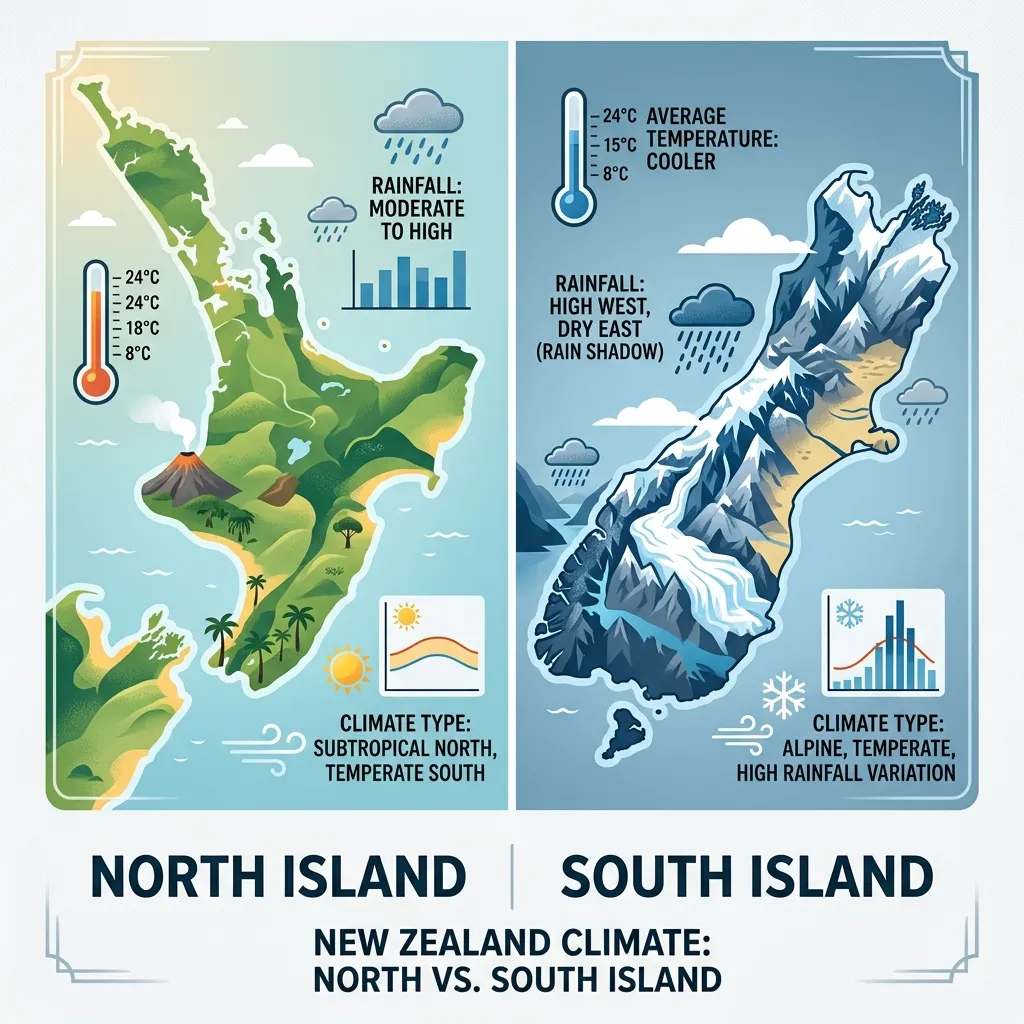
New Zealand’s two main islands have noticeably different climates, which affects the best time to travel to New Zealand depending on where you go.
North Island: Warmer and more humid overall. Auckland, the Bay of Islands, and Coromandel enjoy mild winters and hot, sticky summers. This region is great year-round, but especially pleasant in spring and autumn.
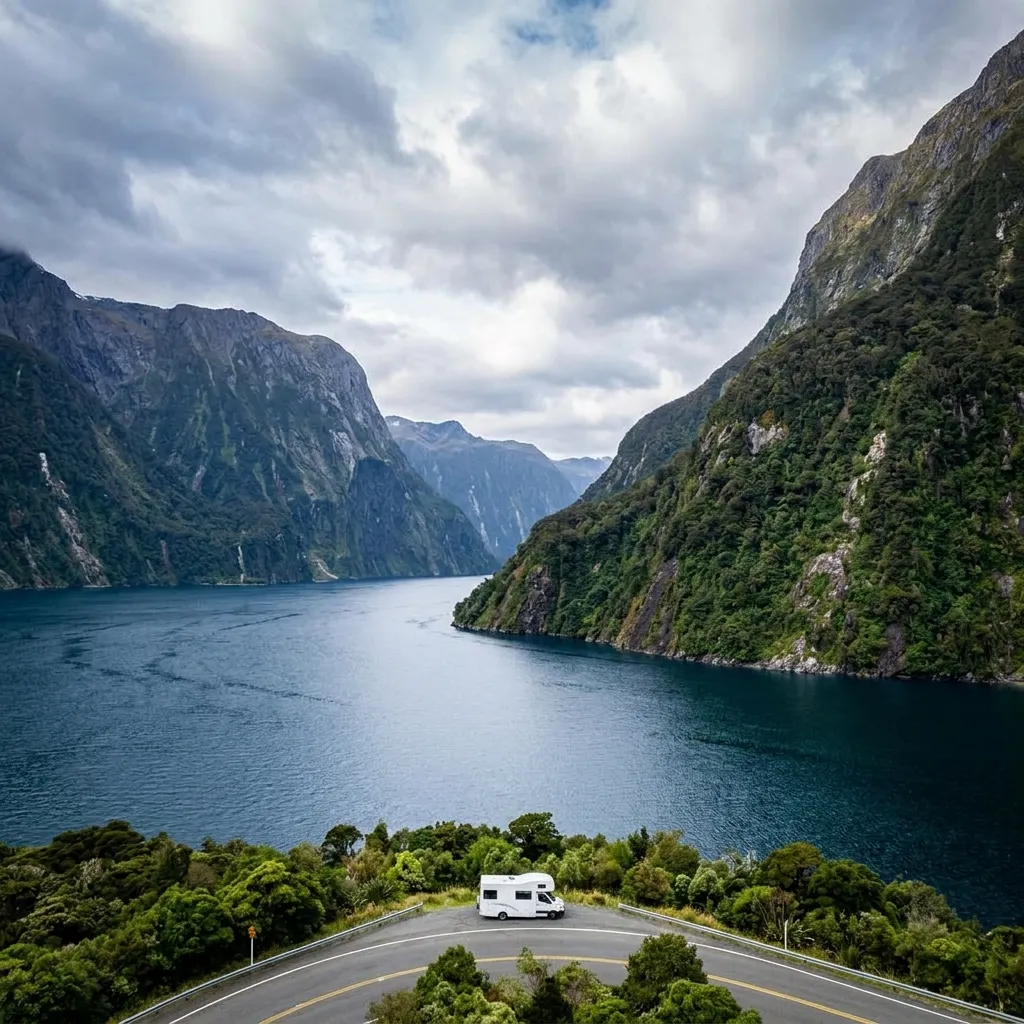
South Island: Cooler and more dramatic. Expect cold, snowy winters in the alpine areas and warm, dry summers in places like Central Otago. Fiordland, home to Milford Sound, is one of the wettest places on Earth, so pack rain gear no matter the season.
If you’re chasing sunshine, head to Nelson or Marlborough at the top of the South Island, which rank among the sunniest regions in the country.
Choosing the Best Time to Travel to New Zealand Based on Activities
Your ideal season often comes down to what you want to do. Here’s how to match activities with timing.
Adventure Sports
Queenstown is the adventure capital of the world. Bungy jumping, skydiving, and jet boating run year-round, but summer and autumn offer the most stable weather for these adrenaline-packed activities.
Hiking and Trekking
The Great Walks, including the Routeburn, Milford, and Abel Tasman tracks, are best tackled from late October to April. Outside this window, alpine routes can be dangerous due to snow and ice.
Water Activities
Kayaking, surfing, and swimming peak in summer, when ocean temperatures are most comfortable. The Bay of Islands and Abel Tasman are top spots for paddling.
Cultural Experiences
Māori cultural tours, museums, and city festivals run all year. Waitangi Day in February and Matariki (the Māori New Year) around June or July offer especially rich cultural experiences.
What Should You Pack for New Zealand? (Plus Packing Tips for Air Travel)
New Zealand weather changes fast, so layering is your best friend. Pack for “four seasons in one day,” especially in the South Island.
Seasonal clothing advice:
- Summer: Lightweight clothes, swimwear, sunhat, and strong sunscreen (the UV index is high here)
- Winter: Warm jacket, thermals, gloves, and waterproof boots
- Spring and autumn: Layers, a light rain jacket, and versatile footwear
Gear for outdoor activities:
- Sturdy hiking boots
- A reliable daypack
- Reusable water bottle
- Quick-dry clothing for unpredictable rain
When it comes to packing tips for air travel, roll your clothes to save space, keep essentials in your carry-on, and weigh your bag before heading to the airport. Wear your bulkiest items, like hiking boots and jackets, on the plane to free up luggage room. These packing tips for air travel are especially useful for long-haul flights to New Zealand, which can take well over 12 hours from many parts of the world.
How Much Does It Cost to Travel to New Zealand by Season?
Budget plays a big role in deciding the best time to travel to New Zealand. Prices swing significantly between peak and off-peak periods.
Peak season (summer, December to February):
- Highest flight and accommodation costs
- Tours and rental cars book out fast
- Expect premium pricing across the board
Off-peak season (winter, excluding ski towns):
- Lower flight and hotel prices
- Better availability
- Quieter attractions
Shoulder seasons (spring and autumn):
- The sweet spot for value
- Mild weather with moderate prices
- Fewer crowds at major sights
Money-saving tips:
- Book flights three to six months ahead
- Travel during shoulder seasons
- Consider campervans to combine transport and lodging
- Cook some meals instead of eating out every day
How Does New Zealand Compare to Other Destinations?
If you’re still weighing your options, comparing New Zealand with other dream destinations can help you decide.
For city breaks: Consider the best time to travel to Amsterdam, which peaks from April to May during tulip season and again in summer. Amsterdam suits travelers craving museums, canals, and café culture rather than wide-open wilderness. Choose New Zealand if outdoor adventure matters more to you than urban exploring.
For nature lovers: The Azores Archipelago, a cluster of Portuguese islands in the Atlantic, rivals New Zealand for raw natural beauty. The Azores Archipelago offers volcanic craters, hot springs, and whale watching, much like parts of New Zealand. The best time to visit the Azores Archipelago is summer (June to September), making it a great Northern Hemisphere alternative when New Zealand is in winter.
These comparisons show how New Zealand fits into a wider travel calendar. Pair it with the Maldives, Norway, Amsterdam, or the Azores Archipelago depending on the season and the experience you’re after.
Finding Your Perfect Time to Visit New Zealand
There’s no single best time to travel to New Zealand—it all depends on your priorities. Summer delivers beaches and buzzing trails. Winter offers world-class skiing and cozy hot pools. Spring and autumn reward travelers with mild weather, lower prices, and far fewer crowds.
If you want the lively peak experience, aim for summer. If skiing is your dream, book for winter. And if value and tranquility top your list, the shoulder seasons of spring and autumn are hard to beat.
Start by deciding which activities excite you most, then match them to the season that fits. Whatever you choose, New Zealand rewards every visitor with jaw-dropping scenery and warm hospitality. Begin planning early, pack smart, and get ready for the trip of a lifetime.
Frequently Asked Questions (FAQs)
What is the overall best time to travel to New Zealand?
The best time to travel to New Zealand is generally summer (December to February) for warm weather and outdoor activities, or the shoulder seasons of spring and autumn for fewer crowds and lower prices. Winter is best for skiing in the South Island.
What is the cheapest time to visit New Zealand?
Winter (June to August) is usually the cheapest time, except in ski towns like Queenstown. Spring and autumn also offer good value with milder weather and lower prices than peak summer.
When is the best time for skiing in New Zealand?
The ski season runs from June to August, centered on South Island resorts like Coronet Peak, The Remarkables, and Cardrona near Queenstown and Wanaka.
Is New Zealand expensive to visit?
New Zealand can be pricey, especially during peak summer. You can save money by traveling in shoulder seasons, booking flights early, using campervans, and cooking some of your own meals.
How many days do I need in New Zealand?
For a first visit, aim for at least 10 to 14 days. This lets you explore highlights on both the North and South Islands without rushing.
What is the weather like in New Zealand year-round?
New Zealand has a temperate maritime climate. Summers reach 68°F to 77°F (20°C to 25°C), while winters drop to around 50°F (10°C) in most areas, with snow in alpine regions.
When is the best time to see baby lambs and wildflowers?
Spring (September to November) is the best time to see newborn lambs dotting the hillsides and wildflowers in bloom across the countryside.
When can I do the Great Walks in New Zealand?
The Great Walks are best from late October to April, during the warmer months. Outside this season, alpine sections can be unsafe due to snow and ice.
How does the best time to travel to New Zealand compare to the Maldives?
The best time to travel to the Maldives is November to April, which overlaps with New Zealand’s cooler months. Travelers can chase summer year-round by visiting New Zealand in its summer and the Maldives in theirs.
Is the Azores Archipelago a good alternative to New Zealand?
Yes. The Azores Archipelago offers similar volcanic landscapes, hot springs, and whale watching. Its peak season is summer (June to September), making it a great Northern Hemisphere alternative when New Zealand is in winter.
What are the best packing tips for air travel to New Zealand?
Key packing tips for air travel include rolling clothes to save space, wearing bulky items on the plane, keeping essentials in your carry-on, and packing layers for New Zealand’s changeable weather.
Which island should I visit—North or South?
The North Island is warmer and great for beaches, culture, and geothermal sights. The South Island offers dramatic alpine scenery, skiing, and the famous fjords. If you have time, visit both.