Discover the best time to travel to Ireland with our comprehensive guide. Explore seasonal weather, festivals, and activities to plan your perfect trip, whether you seek vibrant city life or serene landscapes.
Lush green landscapes, dramatic coastal cliffs, and lively pubs filled with traditional music draw millions of visitors to the Emerald Isle every year. Choosing exactly when to pack your bags can drastically change the type of experience you have. Some travelers want long, sunlit evenings for endless road trips, while others prefer cozying up beside a peat fire during a crisp winter night.
Understanding the unique charm of each season is the secret to planning your perfect itinerary. Ireland’s weather is famously unpredictable. You can often experience all four seasons in a single afternoon. However, broader seasonal trends dictate everything from flight prices to festival schedules and crowd sizes at major attractions like the Cliffs of Moher or the Ring of Kerry.
This guide breaks down the best time to travel to Ireland based on your specific interests, budget, and weather preferences. We will look at what each season offers, outline the key festivals, provide a month-by-month breakdown, and answer the most common questions travelers have. By the end of this post, you will know exactly when to book your flight.
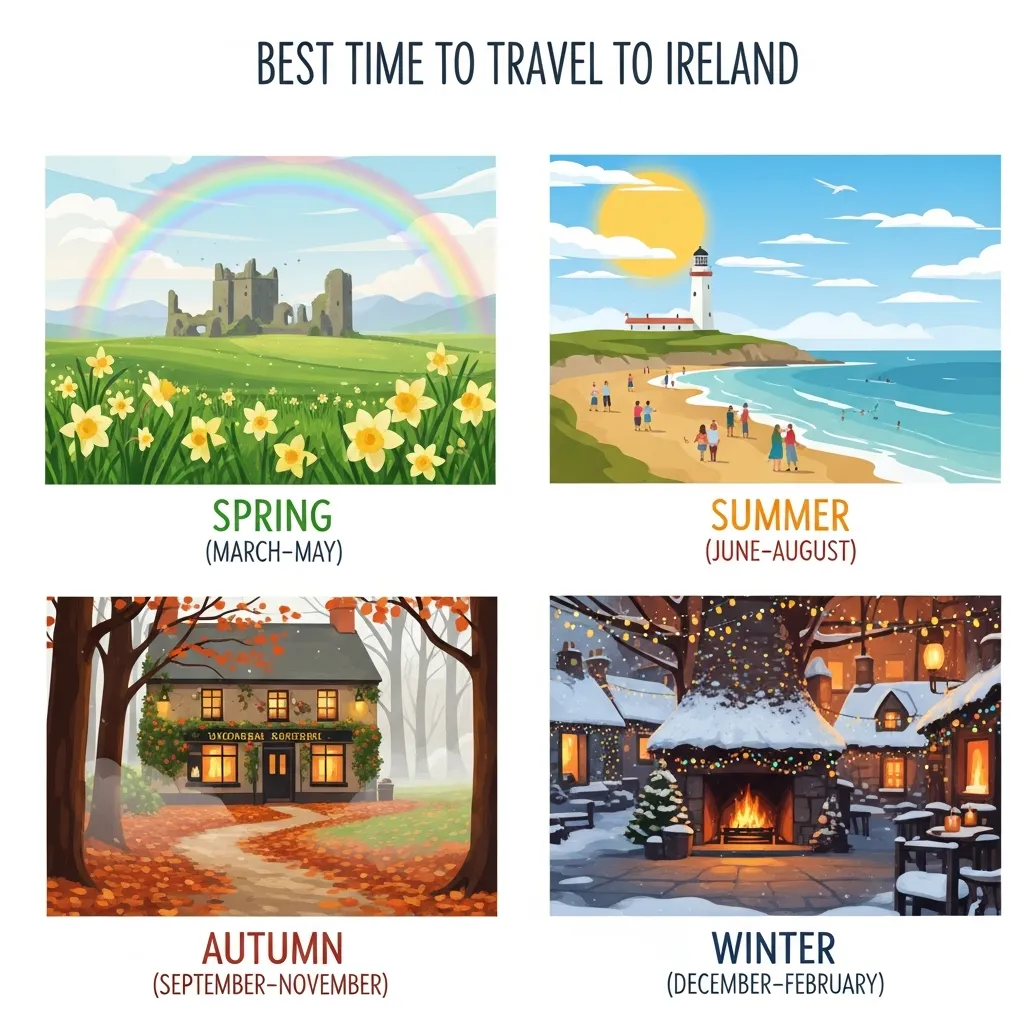
Spring in Ireland (March – May): Awakening Beauty
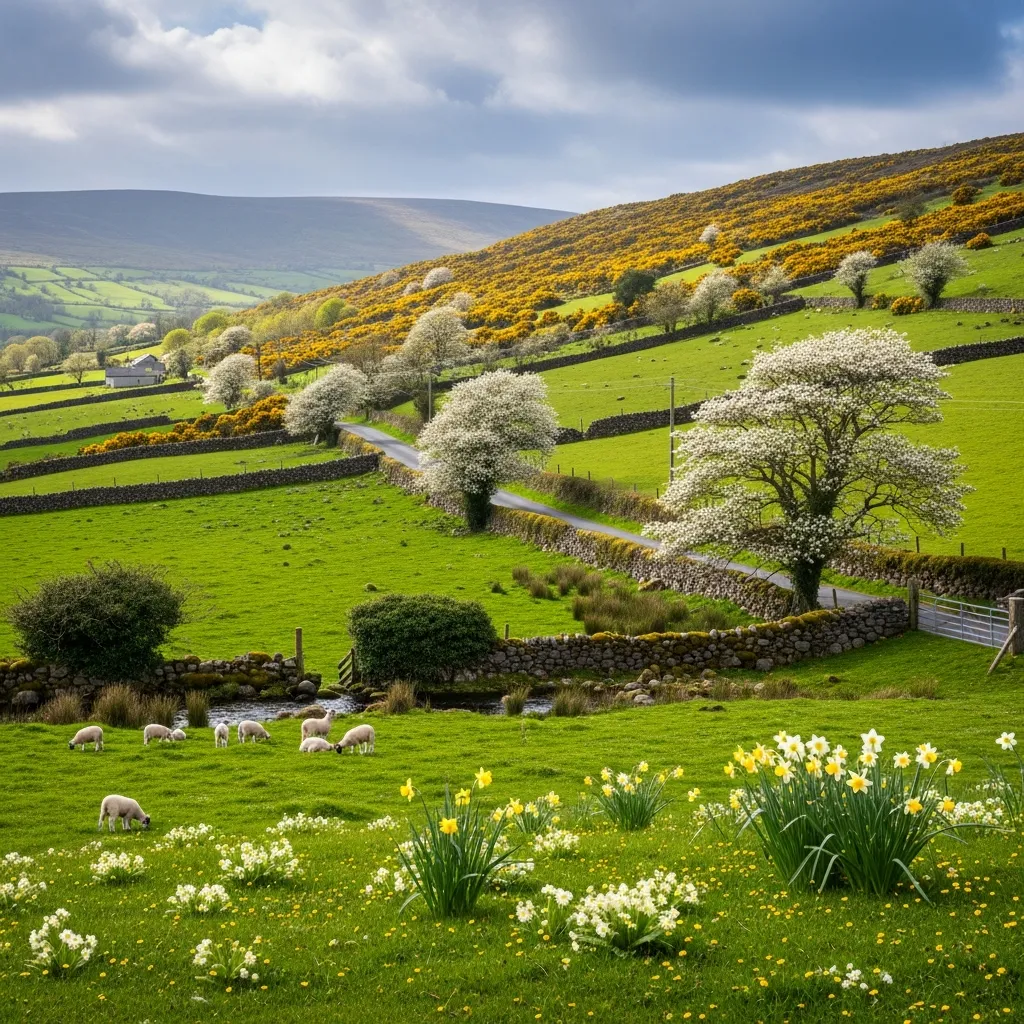
Spring marks a beautiful transition across the Irish landscape. The countryside bursts into vibrant greens, newborn lambs dot the fields, and the temperatures begin to gently rise. Many travelers consider spring the absolute best time to travel to Ireland because you get a favorable mix of decent weather and manageable crowds.
Weather and Climate in Spring
Temperatures typically range from 46°F to 59°F (8°C to 15°C). While March can still feel quite chilly and wet, May often brings plenty of sunshine and milder breezes. You should still expect occasional rain showers, so layering is essential.
Key Festivals and Events
The highlight of the spring calendar is undoubtedly St. Patrick’s Day on March 17th. Dublin hosts a massive, multi-day festival featuring parades, concerts, and street theater. Beyond St. Patrick’s Day, spring is a fantastic time for traditional music festivals scattered across smaller towns in County Clare and Galway.
Activities: Hiking, Sightseeing, and Garden Visits
Spring provides excellent conditions for outdoor activities. The weather is cool enough for strenuous hikes through Connemara National Park or the Wicklow Mountains. Botanical gardens, such as the Powerscourt Estate, are absolutely stunning as the spring flowers bloom.
Pros and Cons of Spring Travel
Pros:
- Fewer crowds than summer.
- Nature is incredibly vibrant.
- Flight and accommodation prices are generally lower, outside of the St. Patrick’s Day window.
Cons:
- Weather can still be quite unpredictable and damp.
- Some remote tourist attractions may still operate on restricted winter hours until late April.
Summer in Ireland (June – August): Peak Season Vibrancy
If you want the warmest weather and the longest days, summer is the best time to travel to Ireland. The sun can set as late as 10:30 PM in late June, giving you endless hours to explore the countryside, drive the Wild Atlantic Way, and enjoy outdoor dining.
Weather and Climate in Summer
Summer temperatures generally hover between 60°F and 68°F (15°C to 20°C). While it is the warmest time of the year, extreme heat is incredibly rare. Rain is always a possibility, but you are more likely to encounter prolonged periods of bright, clear skies.
Key Festivals and Events
Summer is festival season. The Galway International Arts Festival in July transforms the city into a global hub of theater, music, and art. In Dublin, the Bloom festival celebrates gardening and food in Phoenix Park. You will also find countless local regattas, food festivals, and surfing competitions along the coast.
Activities: Outdoor Adventures and Coastal Drives
This is the premier season for road trips, surfing in Donegal, and taking boat tours to the Skellig Islands. The extended daylight allows you to pack more into a single day, making it the best time to travel to Ireland for ambitious itineraries.
Pros and Cons of Summer Travel
Pros:
- Optimal weather and long daylight hours.
- All tourist facilities, tours, and remote attractions are fully open.
- A vibrant, energetic atmosphere in the cities and towns.
Cons:
- This is peak tourist season, meaning larger crowds at popular sites.
- Accommodation and car rental prices are at their highest.
- You need to book hotels and popular restaurants well in advance.
Autumn in Ireland (September – November): Golden Hues
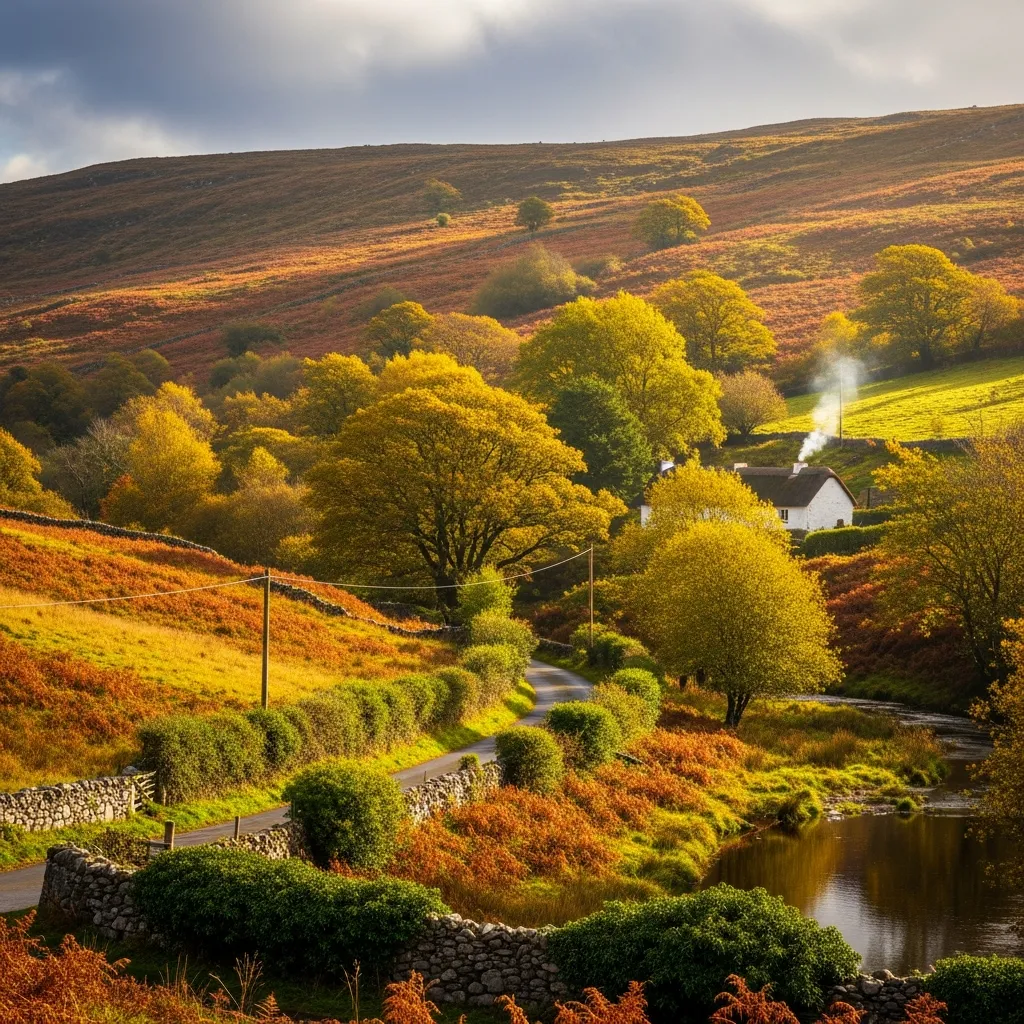
As the summer crowds disperse, a sense of calm returns to the island. Finding the best time to travel (seasonal guide) often leads savvy tourists to autumn. The turning leaves create a stunning golden backdrop against the ancient stone castles and rolling hills.
Weather and Climate in Autumn
September often retains late-summer warmth, with temperatures between 55°F and 64°F (13°C to 18°C). By November, the air becomes crisp and temperatures drop significantly. Rainfall increases as the season progresses, bringing dramatic, atmospheric skies.
Key Festivals and Events
Autumn hosts some of Ireland’s most unique cultural events. The Dublin Fringe Festival in September showcases cutting-edge performances. Late October brings Halloween—a holiday that actually originated in Ireland as the ancient Celtic festival of Samhain. Cities like Derry host massive, spectacular Halloween carnivals.
Activities: Scenic Drives and Cozy Pubs
The golden foliage makes scenic drives through areas like the Ring of Kerry visually spectacular. As the evenings draw in, autumn is the perfect excuse to retreat into a traditional pub, grab a pint of Guinness, and listen to a live trad music session.
Pros and Cons of Autumn Travel
Pros:
- Thinner crowds make sightseeing much more relaxing.
- Beautiful autumn scenery.
- Better deals on flights and hotels compared to summer.
Cons:
- Days become noticeably shorter, particularly after October.
- Weather becomes wetter and windier.
- Some seasonal businesses in rural areas may begin to close.
Winter in Ireland (December – February): Festive Charm
Winter transforms the country into a moody, romantic landscape. While it might not be the obvious choice, winter can actually be the best time to travel to Ireland if you prefer indoor cultural experiences, festive markets, and absolute solitude at major landmarks.
Weather and Climate in Winter
Winters are generally mild but damp, with average temperatures ranging from 39°F to 46°F (4°C to 8°C). Snow is relatively rare, especially on the coasts, but frost and chilly winds are common. The days are short, with the sun setting around 4:00 PM in late December.
Key Festivals and Events
December is dominated by Christmas preparations. Galway, Belfast, and Dublin host charming Christmas markets filled with artisan crafts and mulled wine. New Year’s Eve brings lively street parties and concerts in the major cities, particularly the TradFest in Dublin in late January.
Activities: Indoor Attractions and Festive Celebrations
Winter is the ideal time to focus on Ireland’s world-class museums, distilleries, and historic libraries. Visit the Guinness Storehouse, tour the Jameson Distillery, or explore the ancient Book of Kells at Trinity College without waiting in massive lines.
Pros and Cons of Winter Travel
Pros:
- The cheapest time of year for flights and accommodation.
- You will have many famous tourist sites almost entirely to yourself.
- A wonderful, cozy atmosphere in the towns and pubs.
Cons:
- Very short daylight hours limit outdoor sightseeing.
- Many rural attractions, boat tours, and smaller B&Bs shut down completely.
- Weather can be wet and blustery.
Beyond the Seasons: Special Considerations
Deciding the best time to travel to Ireland goes beyond just the weather. Your budget, tolerance for crowds, and specific hobbies should heavily influence your decision. Using a best time to travel (seasonal guide) helps you align your personal preferences with the calendar.
Crowds and Tourism: Avoiding Peak Times
If your primary goal is to avoid tour buses and long queues, the shoulder seasons (April, May, September, and October) offer the perfect compromise. You still get reasonable weather, but the massive summer rush has either not yet begun or has just finished.
Cost of Travel: Accommodation and Flights
Budget travelers should look toward late autumn, winter, and early spring. From November through February (excluding the Christmas holiday week), hotels and airlines drastically reduce their rates. Traveling during this window is the best time to travel to Ireland for those watching their wallets.
Specific Interests
- Outdoor activities (hiking, surfing): May through September provides the safest and most enjoyable conditions for hiking and water sports.
- Cultural immersion (history, music): Year-round, but the winter months allow for slower, more meaningful interactions with locals in pubs and historical sites.
- Budget travel: January and February are unbeatable for finding the cheapest rates.
Regional Variations: North vs. South, Coast vs. Inland
Ireland is a small island, but it does experience distinct microclimates. The west coast, facing the Atlantic Ocean, tends to receive more rainfall and stronger winds than the east coast (where Dublin is located). The southern counties like Cork and Kerry often experience slightly milder temperatures due to the Gulf Stream. When looking for the best time to travel to Ireland, consider where you plan to spend the majority of your time. If you are doing a strictly west-coast road trip, summer is highly recommended to ensure safer driving conditions and better visibility.
Packing Essentials for Each Season
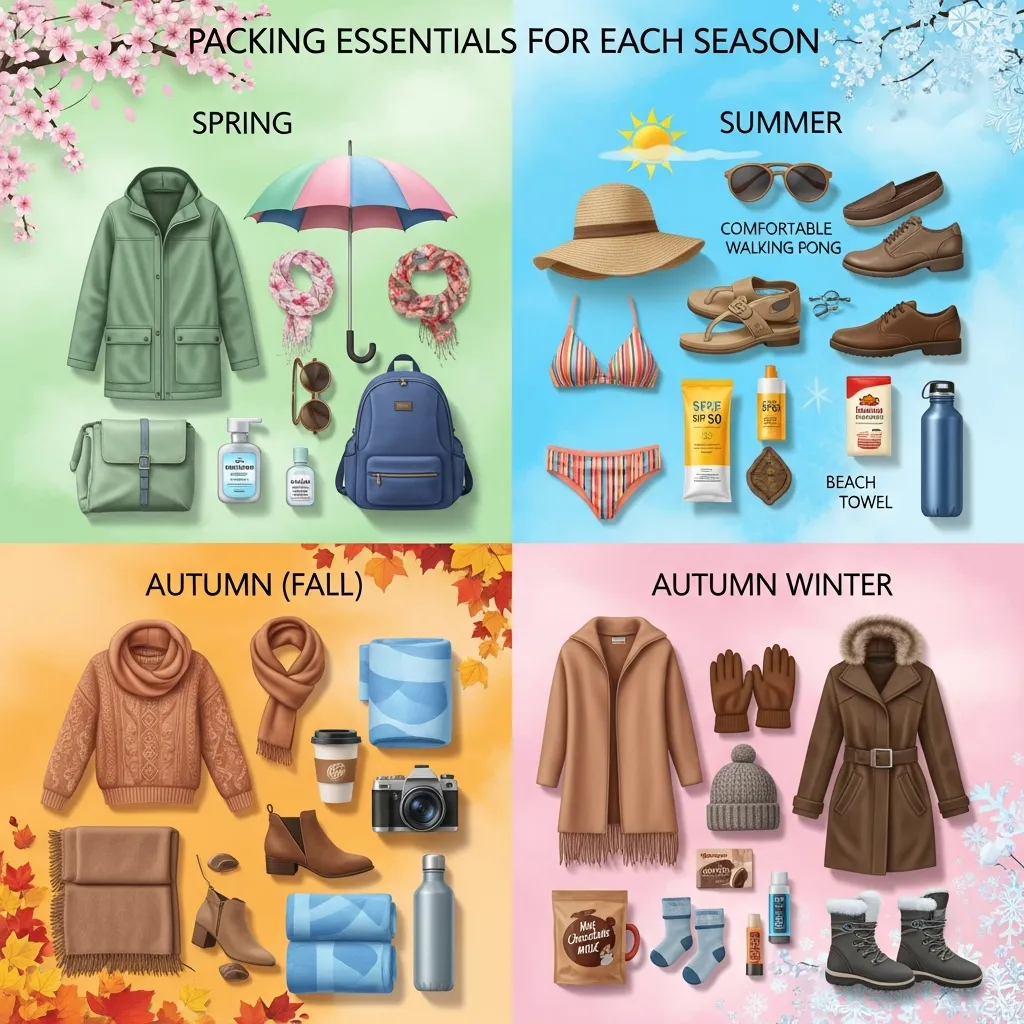
No matter when you decide is the best time to travel to Ireland, you must pack for fluctuating conditions.
- Spring: Light waterproof jacket, walking boots, layers (t-shirts and sweaters).
- Summer: Sunglasses, sunscreen, a light sweater for the evenings, comfortable walking shoes, and a packable rain jacket.
- Autumn: Waterproof boots, warm sweaters, a windproof coat, and an umbrella.
- Winter: Heavy waterproof coat, thermal layers, warm hat, gloves, and sturdy waterproof footwear.
Month-by-Month Breakdown
Here is a quick look at the calendar to help you pinpoint the best time to travel to Ireland:
- January: Cold and quiet. Great for budget travelers and pub culture.
- February: Chilly with early signs of spring. Dublin’s international film festival takes place.
- March: St. Patrick’s Day brings huge crowds and a festive atmosphere.
- April: Spring is in full swing. Beautiful flowers and milder temperatures.
- May: Often considered the overall best time to travel to Ireland. Long days and relatively dry weather.
- June: Summer begins. Excellent weather for road trips and hiking.
- July: Peak tourist season. Warmest weather and vibrant festivals.
- August: Very busy and warm. Great for coastal activities.
- September: The start of shoulder season. Pleasant weather and fewer crowds.
- October: Crisp autumn air and spectacular Halloween celebrations.
- November: Quiet and cooling down. Good for indoor cultural activities.
- December: Festive Christmas markets and cozy winter nights.
Ready to Plan Your Irish Adventure?
Ultimately, the best time to travel to Ireland depends entirely on what you want to get out of your trip. If you dream of vibrant green hills, long sunny evenings, and lively outdoor festivals, aim for the summer months. If you prefer quiet contemplation of ancient ruins, crackling pub fires, and saving money on flights, winter might be your perfect match. Weigh your priorities, consult this guide, and get ready to experience the unmatched hospitality and beauty of the Emerald Isle.
FAQs About the Best Time to Travel to Ireland
1. What is the cheapest month to go to Ireland?
When considering the Best Time to Travel to Ireland on a budget, January and February are usually the most affordable months. These fall within the low winter season, meaning fewer tourists and significantly lower prices for flights and accommodation.
2. What is the warmest month in Ireland?
If your priority is warmer weather, the Best Time to Travel to Ireland is during July and August. These months offer the highest average temperatures, typically ranging between 60°F to 68°F (15°C to 20°C), along with longer daylight hours.
3. When is the best time to visit Ireland for good weather and fewer crowds?
For many travelers, the Best Time to Travel to Ireland is during May and September. These months strike the perfect balance between mild weather, fewer crowds, and more affordable prices compared to the peak summer season.
4. Is September a good time to visit Ireland?
Yes, September is often considered one of the Best Times to Travel to Ireland. The weather remains pleasant, tourist crowds begin to thin out, and the landscapes start to display beautiful autumn colors.
5. Is April a good time to visit Ireland?
April can also be a great option when planning the Best Time to Travel to Ireland. Spring brings blooming flowers and lush green scenery, though visitors should be prepared for occasional rain showers.
6. What is the rainiest month in Ireland?
December and January are typically the wettest months, which may not align with the Best Time to Travel to Ireland for those seeking drier conditions. However, Ireland’s weather is famously unpredictable, and rain can occur year-round.
7. How many days do you need to see Ireland?
To fully enjoy the Best Time to Travel to Ireland, plan for at least 7 to 10 days. This allows enough time to explore Dublin, visit the scenic west coast, and experience both urban and rural highlights.
8. Do you need a car to visit Ireland?
While cities like Dublin and Belfast have good public transport, renting a car is highly recommended if you want to make the most of the Best Time to Travel to Ireland by exploring countryside areas and coastal routes.
9. What should I pack for Ireland?
No matter when you choose the Best Time to Travel to Ireland, packing smart is essential. Bring layered clothing, a waterproof jacket, and comfortable walking shoes to stay prepared for changing weather conditions.
10. Is Dublin expensive?
Dublin is considered one of Europe’s more expensive cities. When planning the Best Time to Travel to Ireland, visiting during shoulder seasons can help reduce accommodation and dining costs.
11. Do I need a visa to travel to Ireland?
Visa requirements depend on your nationality. Many travelers from countries like the US, UK, Canada, Australia, and EU nations can visit without a visa for short stays. When planning the Best Time to Travel to Ireland, always check official immigration guidelines beforehand.
12. What currency is used in Ireland?
The Republic of Ireland uses the Euro (€), while Northern Ireland uses the Pound Sterling (£). Understanding this is important when organizing your budget for the Best Time to Travel to Ireland.