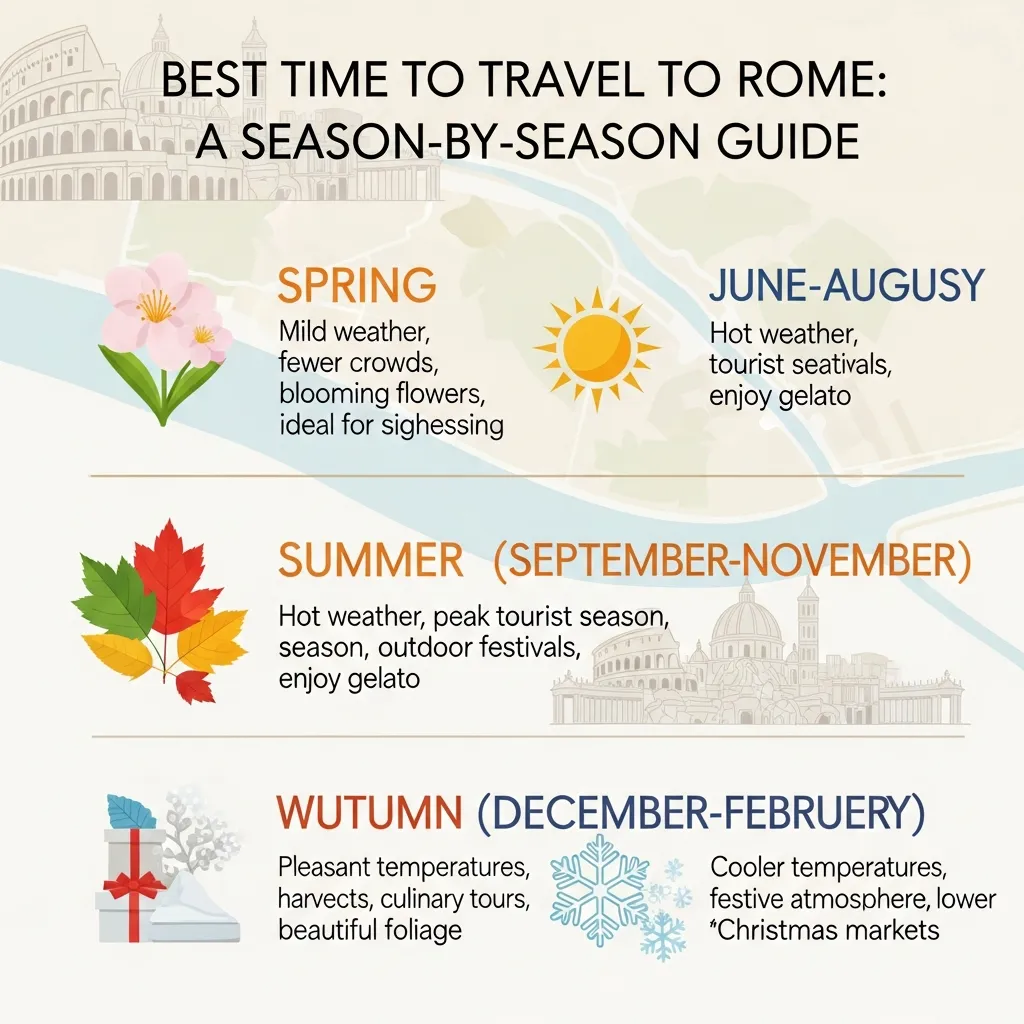
The best time to travel to Rome is spring (April–May) or autumn (September–October), when temperatures are mild, crowds are manageable, and the city’s outdoor spaces are at their most enjoyable. Summer draws the biggest crowds and heat, while winter offers the lowest prices and a quieter atmosphere.
Rome doesn’t need an introduction. The Colosseum, the Vatican, the Trevi Fountain—these landmarks have drawn travelers from every corner of the world for centuries. But here’s the thing: Rome isn’t a one-size-fits-all destination. The experience you have in April feels entirely different from the one you’d have in July or December. Crowds, costs, weather, and the city’s cultural calendar all shift dramatically depending on when you arrive.
Choosing the best time to travel to Rome can mean the difference between standing in a two-hour queue under a blazing sun and wandering through the Forum Romanum in golden-hour light with barely a soul in sight. It can mean finding a charming trattoria with outdoor seating, or squeezing under a canopy in the rain. Every season has something to offer—the key is knowing what to expect.
This guide breaks down each season in detail, covering weather, crowd levels, festivals, and costs. By the end, you’ll know exactly when your ideal Roman holiday should take place.
Spring (March–May): The Best Time to Travel to Rome for First-Timers
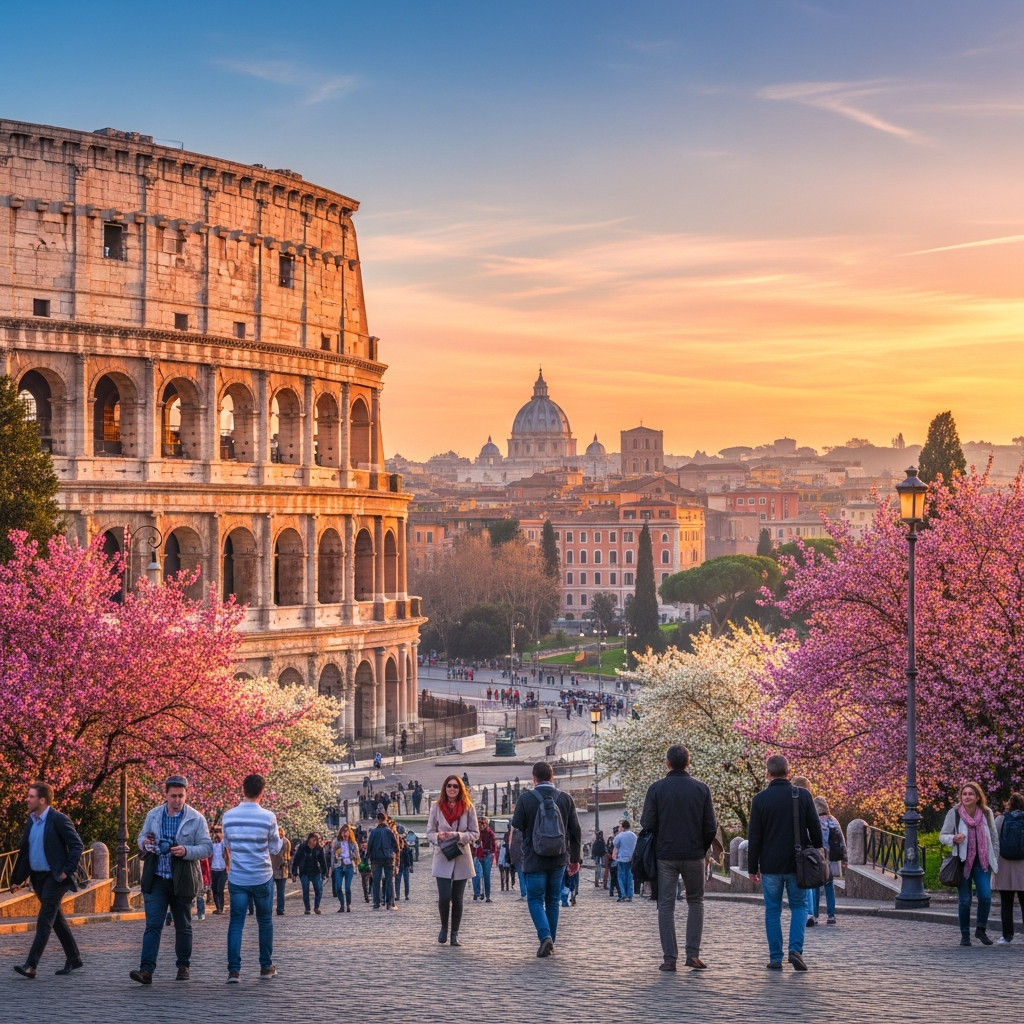
Spring is widely considered the best time to travel to Rome, and for good reason. Temperatures sit comfortably between 12°C and 22°C (54°F–72°F), flowers bloom across the city’s parks and piazzas, and the chaotic crowds of peak summer haven’t yet descended.
What’s the weather like in Rome during spring?
March starts cool but quickly warms as April arrives. By May, you’re looking at genuinely warm afternoons perfect for outdoor dining and long walks through the historic center. Rainfall is possible, particularly in March, but showers tend to be brief.
What events happen in Rome in spring?
- Easter (March or April): Rome transforms during Holy Week. The Pope leads ceremonies at St. Peter’s Basilica, and the city fills with pilgrims and tourists alike. Book accommodation months in advance if you’re visiting over Easter.
- Natale di Roma (April 21): Rome’s official birthday is celebrated with historical reenactments, parades, and fireworks near the Circus Maximus.
- Spring garden visits: The gardens of Villa Borghese and Giardino degli Aranci are spectacular in full bloom.
Pros and cons of visiting Rome in spring
Pros: Pleasant weather, vibrant atmosphere, manageable crowds in March and early April.
Cons: Easter week sees a significant spike in prices and foot traffic. May can feel almost as crowded as summer.
Summer (June–August): High Energy, High Heat
Summer is Rome’s peak tourist season. The streets around the major monuments are packed, temperatures regularly exceed 30°C (86°F), and accommodation prices hit their annual highs. That said, Rome in summer has an undeniable energy.
What’s the weather like in Rome during summer?
June through August brings long daylight hours—up to 15 hours of sunshine per day—alongside heat and humidity. Italians themselves often flee to the coast in August, when many local restaurants and shops temporarily close.
What events happen in Rome in summer?
- Estate Romana: This city-wide summer festival runs from June through September, featuring outdoor cinema, live music, and cultural events at venues across Rome.
- Outdoor concerts: The Baths of Caracalla host operatic performances and concerts during summer evenings—a genuinely unforgettable experience.
Pros and cons of visiting Rome in summer
Pros: Lively nightlife, extended daylight for sightseeing, and easy day trips to nearby beach towns like Ostia or Sperlonga.
Cons: Intense heat, peak-season prices, and very long queues at popular attractions. Book skip-the-line tickets well in advance.
Autumn (September–November): The Best Time to Travel to Rome for Food Lovers
Autumn is arguably Rome’s most underrated season. September still carries summer’s warmth, but the worst of the crowds have thinned. By October, the city settles into a comfortable rhythm—cooler air, harvest produce flooding the markets, and a golden light that photographers love.
What’s the weather like in Rome during autumn?
September temperatures hover around 24°C (75°F), making it very comfortable for walking. October cools to around 18°C (64°F), while November can be rainy and grey. Pack a light jacket and a compact umbrella from October onwards.
What events happen in Rome in autumn?
- Grape harvest festivals (sagre): The surrounding Castelli Romani region hosts wine and food festivals throughout September and October.
- Truffle season: White truffles arrive in October and November, and many Roman restaurants feature special tasting menus.
- All Saints’ Day (November 1): A national holiday observed with family gatherings and cemetery visits—a quieter, more reflective side of Italian culture.
Pros and cons of visiting Rome in autumn
Pros: Comfortable temperatures, excellent seasonal food and wine, and noticeably fewer tourists by October.
Cons: Increasing rainfall in November, and some outdoor sites can feel less atmospheric on grey days.
Winter (December–February): The Best Time to Travel to Rome on a Budget
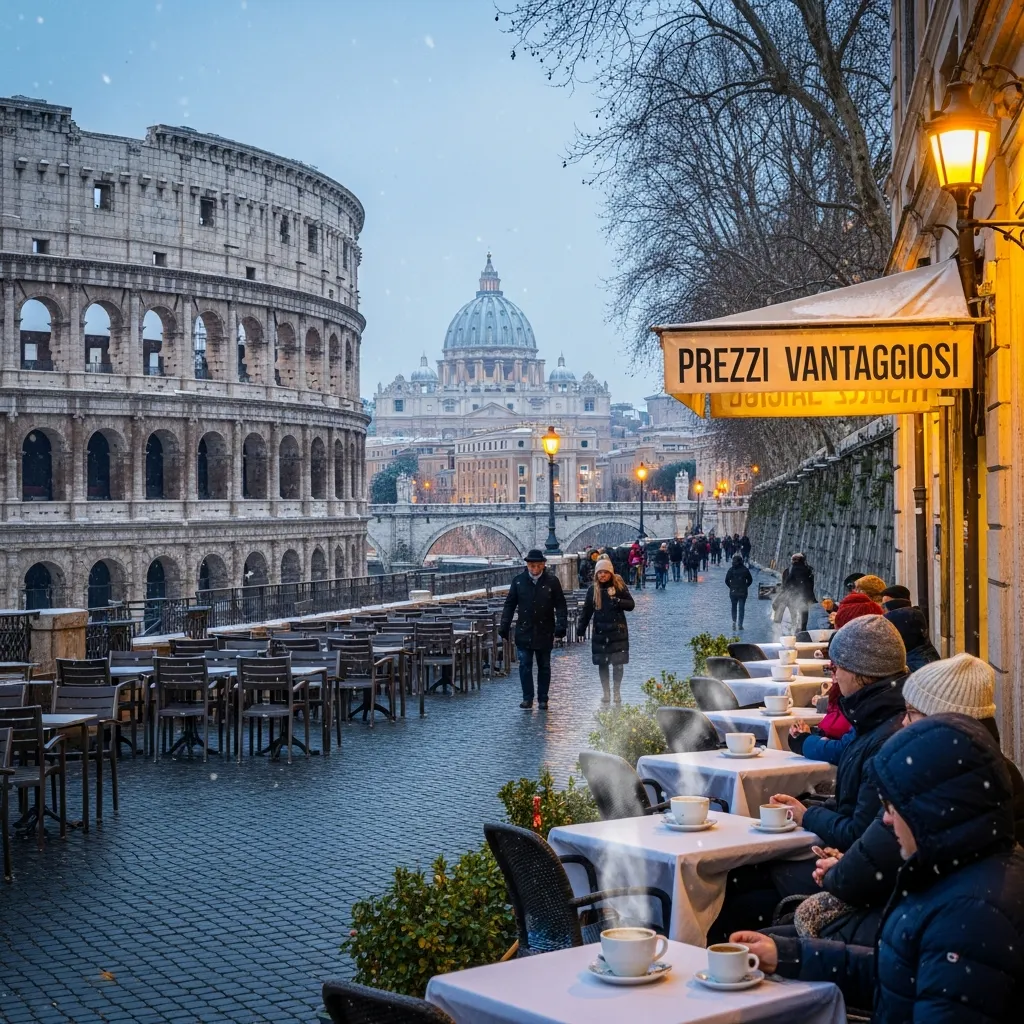
Winter is the best time to travel to Rome if you’re watching your spending or simply prefer a slower pace. Crowds thin dramatically, hotel rates drop, and the city takes on a different, more intimate character. The historic sites feel genuinely accessible, and you won’t be jostling for space at the Pantheon.
What’s the weather like in Rome during winter?
Temperatures range from 3°C to 13°C (37°F–55°F). Snow in Rome is rare—it happens roughly once every few years—but cold, overcast days are common. Rain is less frequent than in autumn.
What events happen in Rome in winter?
- Christmas markets: The market at Piazza Navona is one of Europe’s most atmospheric Christmas markets, running from early December through early January.
- New Year’s Eve: Concerts and fireworks at the Circo Massimo draw large crowds, but the rest of the city remains relatively calm.
- Carnevale (February): The weeks before Lent bring costume parades and street performances throughout the city.
Pros and cons of visiting Rome in winter
Pros: Lowest prices of the year, no queues at the Vatican Museums, and a more authentic feel as tourist numbers drop significantly.
Cons: Shorter days, cooler temperatures, and some outdoor attractions lose their appeal. The holiday period (Christmas and New Year) sees a temporary spike in both crowds and prices.
Key Factors to Consider When Choosing the Best Time to Travel to Rome
The “best” time is personal. Here’s how to decide based on your priorities:
Budget
Winter (January–February, excluding the holiday period) and late autumn (November) offer the lowest hotel rates and airfares. Spring and autumn shoulder seasons offer a reasonable middle ground between cost and experience.
Crowd avoidance
Avoid Rome in July and August if you dislike crowds. The Vatican Museums, the Colosseum, and the Trevi Fountain are notoriously congested during peak season. Visiting major attractions early in the morning—before 9am—helps regardless of when you travel.
Specific interests
- History and architecture: Any season works, but spring and autumn offer the most comfortable conditions for extended outdoor exploration.
- Food and wine: Autumn is Rome’s culinary highlight, with harvest festivals and seasonal menus at their best.
- Photography: Early spring blossoms and late autumn golden light both provide extraordinary conditions.
- Budget travel: January and February outside of Carnevale are ideal.
Combining Rome with other European destinations
If you’re planning a broader European itinerary, the best time to travel to Rome often aligns with ideal windows elsewhere. The best time to travel to Greece and the best time to travel to Paris both peak in spring and early autumn—making a multi-city trip in April, May, or September a smart strategy. For more dramatic landscapes, the best time to travel to Norway is summer, when daylight is nearly endless. Meanwhile, the best time to travel to Egypt tends to be October through April, avoiding the intense summer heat—making autumn a natural companion season to a Rome trip.
Beyond Rome: Group Vacation Ideas
Rome pairs beautifully with other destinations for group travel. Consider combining Rome with the Amalfi Coast, Florence, or Venice for a comprehensive Italian itinerary. For international group vacation ideas, a Rome-Athens pairing in spring takes advantage of ideal weather across both cities. Group tours offer a structured way to cover multiple destinations efficiently, with local guides providing context that independent travel can sometimes miss.
Tips for Planning Your Roman Adventure
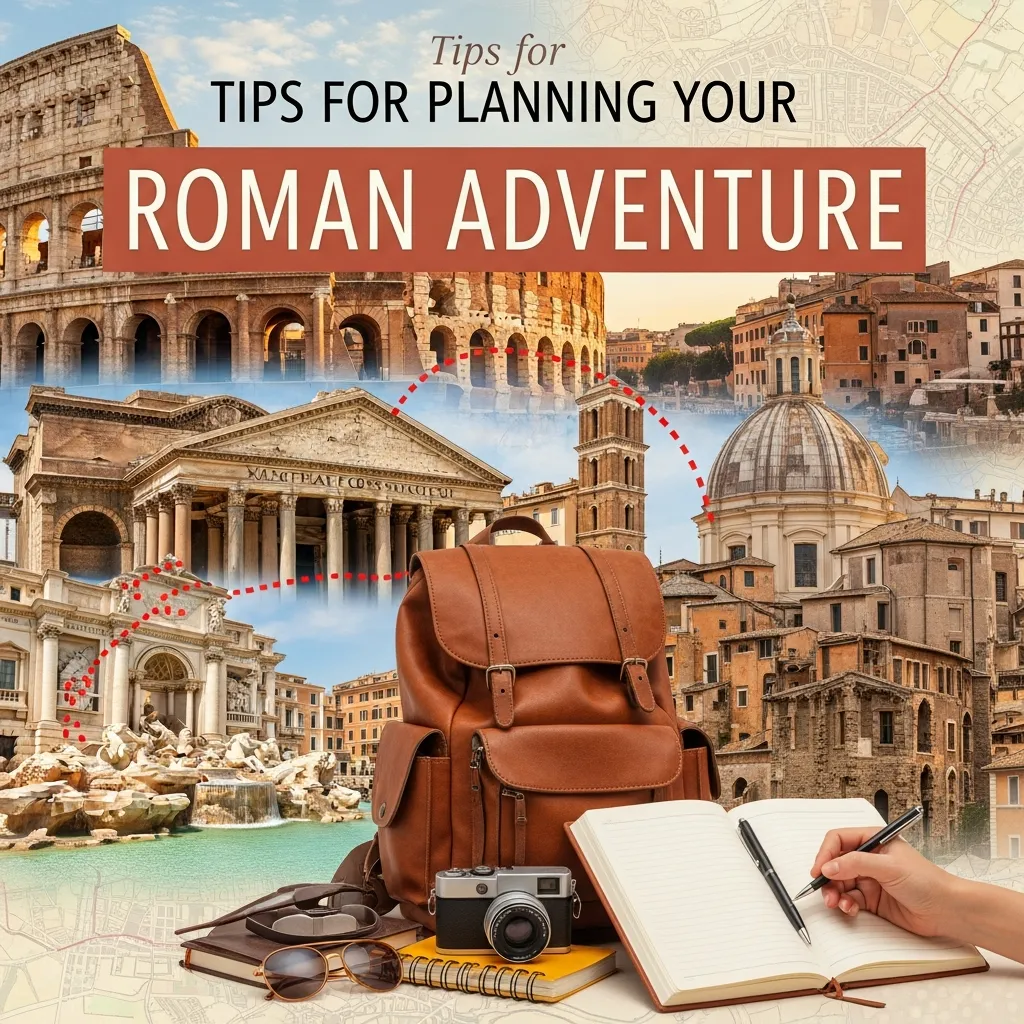
Booking flights and accommodation
Book at least three months in advance for spring visits, and six months ahead for Easter or summer. Rome’s Termini station connects to both Fiumicino and Ciampino airports via direct rail and bus services.
Essential packing list
- Comfortable walking shoes (Rome’s cobblestones are unforgiving)
- A scarf or shawl for visiting churches (bare shoulders are not permitted)
- Sunscreen and a refillable water bottle (Rome’s public drinking fountains, known as nasoni, offer free, clean water year-round)
- A light rain jacket for autumn and winter visits
Getting around Rome
The historic center is compact and best explored on foot. Rome’s metro has two main lines (A and B), which cover key areas including the Vatican and Termini. Taxis are metered—always use official white cabs or licensed ride-share apps.
Dining etiquette
Italians eat lunch between 1pm and 3pm, and dinner rarely before 8pm. Avoid tourist-trap restaurants on major piazzas. Head one or two streets away from landmarks for better food at lower prices. A coperto (cover charge) on your bill is standard practice.
Conclusion
Rome rewards every kind of traveler—the history lover, the food enthusiast, the photographer, the budget backpacker. The best time to travel to Rome ultimately depends on what season you choose, arrive with curiosity and a good pair of shoes. The Eternal City has a way of exceeding every expectation—regardless of when you show up.
Frequently Asked Questions About the Best Time to Travel to Rome
What is the absolute best time to travel to Rome?
The Best Time to Travel to Rome is generally April to May and September to October. These shoulder seasons offer pleasant weather, fewer crowds than summer, and more reasonable hotel prices, making them ideal for sightseeing and enjoying the city comfortably.
Is Rome expensive to visit?
Rome can be moderately priced depending on the season you choose. If you travel during the Best Time to Travel to Rome, expect balanced prices with good weather, while winter months usually offer the lowest hotel rates. Summer and major holiday periods are typically the most expensive times to visit.
How many days do I need in Rome?
Most travelers need at least three to four days to experience Rome’s main attractions. If you visit during the Best Time to Travel to Rome, you’ll have a better chance to enjoy landmarks like the Colosseum, Vatican Museums, Pantheon, and Trevi Fountain without feeling overly rushed.
Is Rome safe for tourists?
Yes, Rome is generally safe for tourists, especially in the main sightseeing areas. However, like many major cities, petty theft can happen in crowded spots. If you’re visiting during the Best Time to Travel to Rome, when the city is busier, it’s smart to stay alert in tourist hotspots and on public transport.
Can you drink tap water in Rome?
Yes, Rome’s tap water is safe to drink and is one of the easiest ways to save money while traveling. During the Best Time to Travel to Rome, carrying a refillable water bottle is especially helpful since you’ll likely spend long days exploring the city in mild spring or autumn weather.
What should I wear in Rome?
What you wear depends on the season, but lightweight layers are usually the best choice during the Best Time to Travel to Rome. Comfortable walking shoes are essential, and if you plan to visit churches or the Vatican, make sure your clothing covers your shoulders and knees.
How crowded does Rome get in summer?
Rome gets very crowded in summer, especially in July and August when tourism peaks. This is why many travelers prefer the Best Time to Travel to Rome in spring or early autumn, when the weather is still pleasant but the crowds are more manageable than during the height of summer.
When are Rome’s cheapest hotel rates?
The cheapest hotel rates in Rome are usually found in January and February, outside of major events and holidays. However, the Best Time to Travel to Rome for balancing weather, crowd levels, and overall experience is typically spring or autumn rather than the coldest months of winter.
Is Easter a good time to visit Rome?
Easter can be a memorable time to visit Rome, especially for travelers interested in religious traditions and Vatican events. However, it is also one of the busiest travel periods, so if you want the Best Time to Travel to Rome with fewer crowds and easier bookings, late spring or early autumn may be a better option.
What are the best day trips from Rome?
Some of the best day trips from Rome include Tivoli, Ostia, Pompeii, and the Castelli Romani region. If you visit during the Best Time to Travel to Rome, these day trips become even more enjoyable thanks to comfortable weather and better conditions for walking, sightseeing, and exploring outside the city.
What language do Romans speak, and do they speak English?
Italian is the main language spoken in Rome, but English is widely understood in tourist areas, hotels, and many restaurants. If you’re visiting during the Best Time to Travel to Rome, learning a few simple Italian phrases can still make your experience feel more local and enjoyable.
How does the best time to travel to Rome compare to other European destinations?
The Best Time to Travel to Rome is similar to many other Southern European destinations, with spring and early autumn offering the best mix of weather, crowds, and value. Unlike colder destinations that shine in summer, Rome is often most enjoyable just before or after the hottest months.