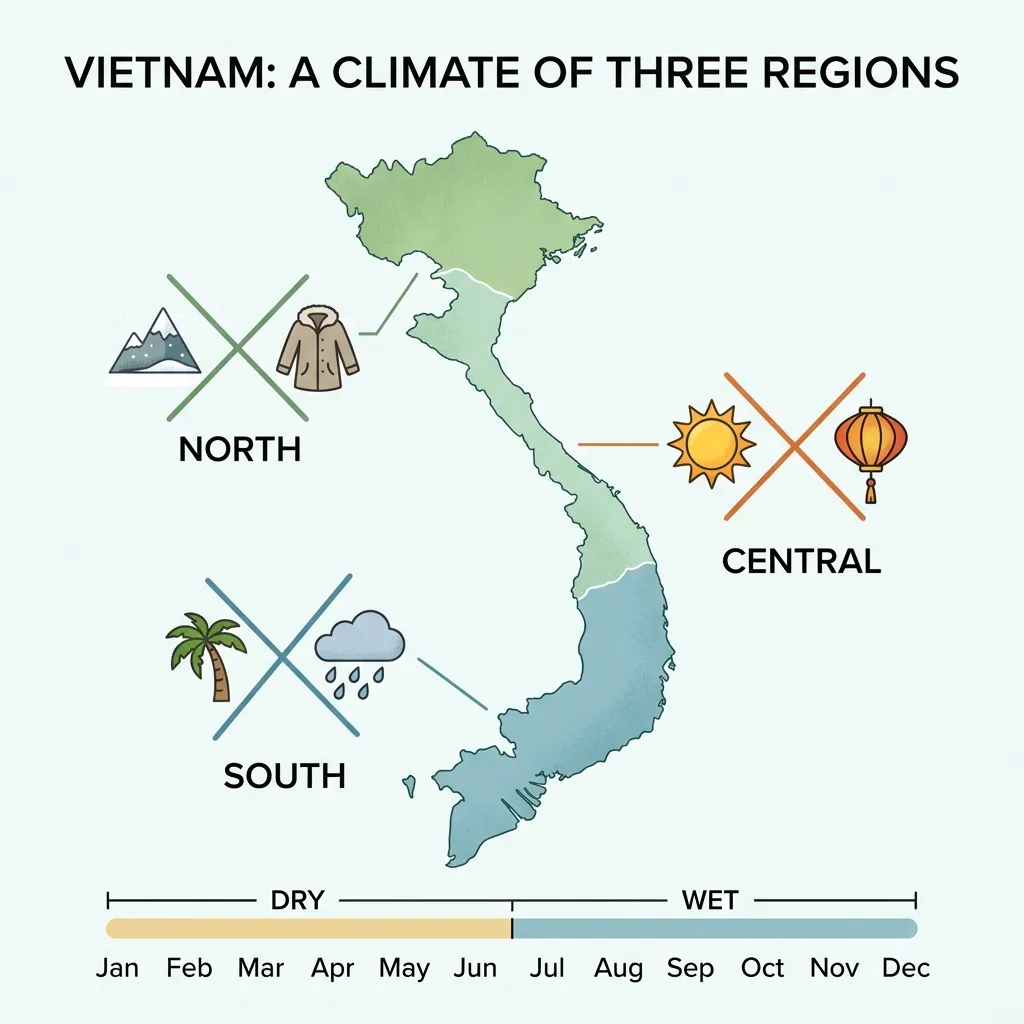
The Best Time to Travel to Vietnam is during spring (February to April) and autumn (September to November). These periods offer moderate temperatures and lower rainfall nationwide. This timing allows travelers to explore Hanoi, relax in Hoi An, and tour the Mekong Delta without facing severe weather disruptions.
Vietnam offers an incredible mix of emerald rice terraces, bustling megacities, and serene coastlines stretching over 1,000 miles. Because the country is so long and narrow, its weather patterns are famously complex. Finding the Best Time to Travel to Vietnam requires understanding these regional differences to ensure your itinerary aligns with favorable conditions.
Selecting the right travel dates directly impacts what you can see and do. A pristine beach vacation in Da Nang can easily turn into a week indoors if you arrive during the peak monsoon season. Conversely, timing a trip to Sapa perfectly means you get to witness golden rice harvests under clear blue skies. Vietnam features three distinct weather zones: the north, the central coast, and the south. Each area experiences unique rainy and dry seasons.
This comprehensive breakdown will help you pinpoint the Best Time to Travel to Vietnam based on your specific travel style, desired destinations, and tolerance for humidity.
How Does the Climate Vary Across Regions in Vietnam?
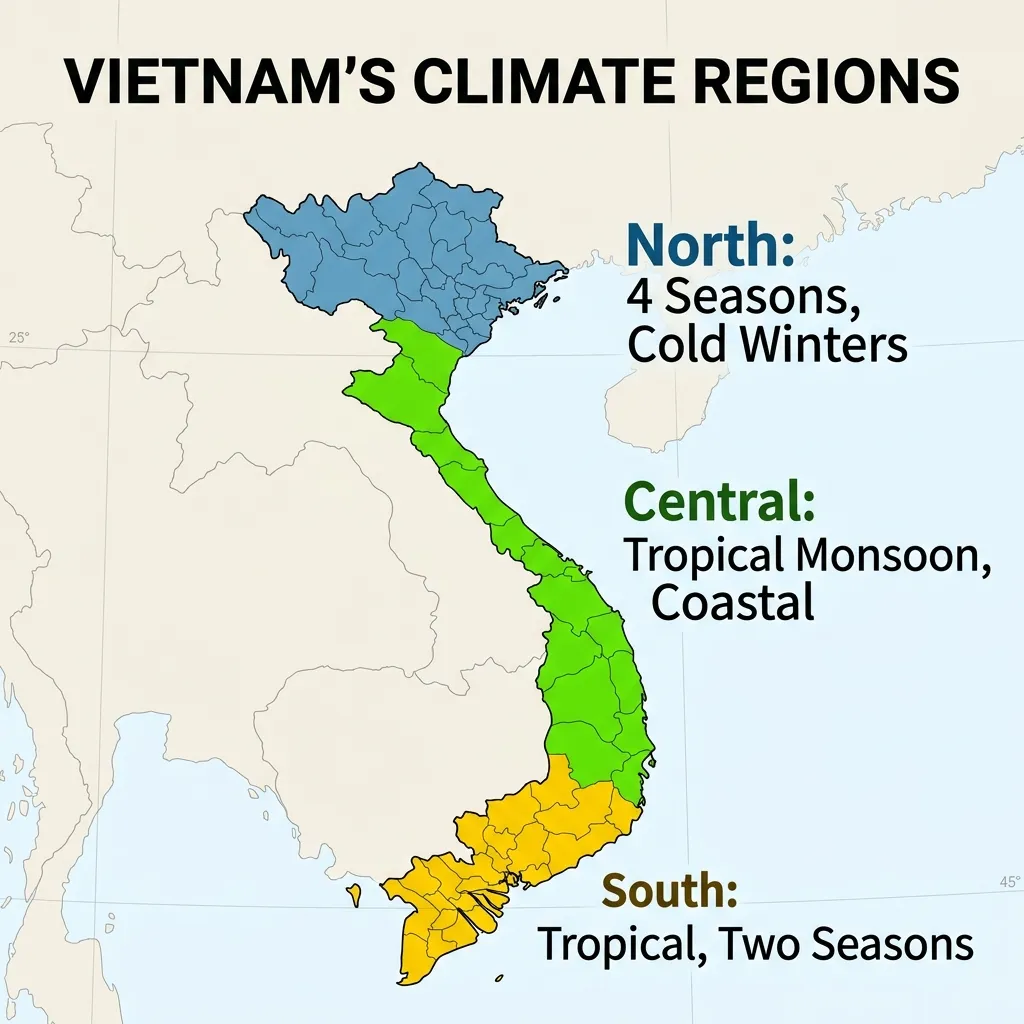
Understanding local weather patterns is the first step in planning a successful Southeast Asian adventure. Vietnam’s geography dictates that while one region basks in sunshine, another might be enduring torrential downpours.Learn more:Best Time to Travel to Bali
When Should You Visit North Vietnam (Hanoi, Halong Bay, Sapa)?
Northern Vietnam experiences distinct summer and winter seasons.
- Winter (November to April): The months from November to April bring cool, dry weather to Hanoi and Halong Bay. Temperatures often drop to 10°C (50°F) in January and February. Choose this window if you prefer crisp air for city walking tours or trekking in Sapa.
- Summer (May to October): From May to October, the north shifts to hot, humid, and rainy conditions. While the landscapes turn vibrant green, heavy rainfall occasionally causes cruise cancellations in Halong Bay.
When is the Ideal Season for Central Vietnam (Hue, Da Nang, Hoi An)?
Central Vietnam follows a slightly different climatic calendar.
- Dry Season (January to August): The dry season spans from January through August. The days are hot and sunny, making this the Best Time to Travel to Vietnam if you want to explore the ancient town of Hoi An or lounge on the beaches of Da Nang.
- Rainy Season (September to December): Heavy rains hit the central coast between September and December. October and November frequently bring typhoons and severe flooding to Hoi An and Hue. Travelers should generally avoid the central coast during these late-year months.
What is the Weather Like in South Vietnam (Ho Chi Minh City, Mekong Delta, Phu Quoc)?
Southern Vietnam has a classic tropical climate characterized by year-round heat and two main seasons.
- Dry Season (November to April): November to April is hot and sunny, with low humidity. This is an excellent period for island hopping in Phu Quoc or navigating the floating markets of the Mekong Delta.
- Wet Season (May to October): The wet season runs from May to October. Expect brief, heavy afternoon downpours rather than all-day drizzle. You can still travel easily during these months, provided you pack a reliable rain jacket.
What is the Absolute Best Time to Travel to Vietnam?
If you plan to cover the entire country from north to south, the absolute Best Time to Travel to Vietnam is during the spring (February to April) and autumn (September to November).
During spring, you will encounter generally pleasant weather across all three regions. The north warms up from its winter chill, the central beaches are sunny, and the south remains dry. Autumn offers a similar balance. By October, the north features crisp, clear days, and the south begins to transition out of its heavy rainy season. Finding the sweet spot for your itinerary requires a balancing act, but sticking to spring or autumn greatly reduces your chances of encountering extreme weather.
Which Seasonal Activities and Festivals Happen in Vietnam?
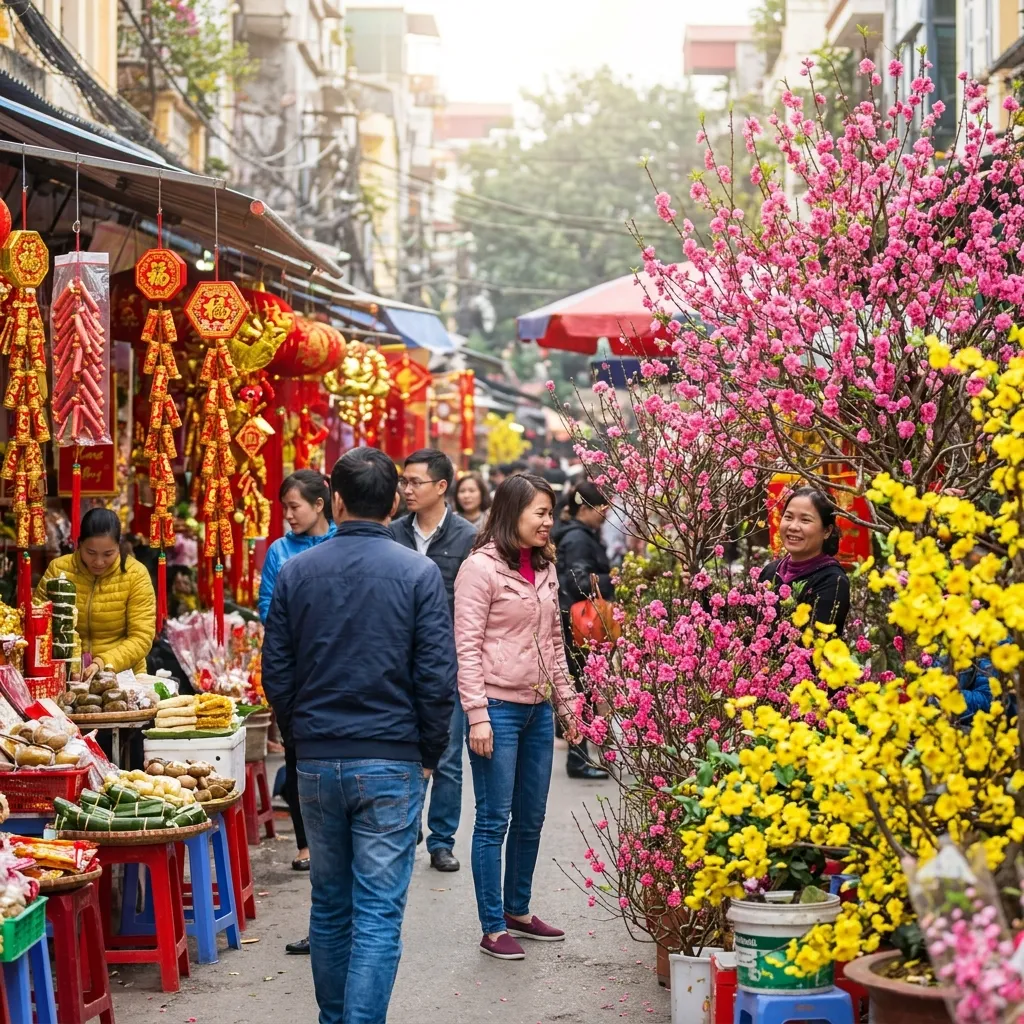
Aligning your trip with local cultural events can transform an ordinary vacation into an extraordinary experience.
- Spring: Late January or early February marks Tet Nguyen Dan (Lunar New Year). This is Vietnam’s most significant holiday. While cities decorate beautifully with flower festivals, note that many businesses close, and transportation books up well in advance.
- Summer: The hot summer months highlight the country’s agricultural beauty. Sapa’s rice paddies reach their peak green hues in July and August. This is also the premier time for water sports along the central coastline.
- Autumn: September brings the Mid-Autumn Festival, celebrated with vibrant lantern displays, particularly in Hoi An. Trekking conditions in northern regions like Ha Giang are optimal during this cooler, drier season.
- Winter: Winter is ideal for northern adventures. You can explore the bustling streets of Hanoi without sweating through your clothes.
How Does Your Travel Style Affect the Best Time to Travel to Vietnam?
Your personal preferences should dictate when you book your flights. Consider what activities matter most to you before locking in dates.
- Beach lovers: Focus on Central and South Vietnam between February and May. You will get maximum sunshine and calm waters.
- Trekkers and adventurers: Head to North Vietnam during the cooler, drier months of October, November, or March.
- Cultural explorers: You can visit year-round. However, if you want to experience major festivals like Tet, you must travel in late January or February.
- Budget travelers: The shoulder seasons (May and November) often yield cheaper accommodations and flights. To maximize savings, consult a reliable Flight Booking Guide well before your intended departure date to track fare drops. Just as finding the Best Time to Travel to Bali requires navigating peak tourist rushes, dodging Vietnam’s busiest months keeps costs low.
What Are the Top Travel Mistakes to Avoid in Vietnam?
Even seasoned travelers occasionally slip up. Reviewing common Travel Mistakes to Avoid ensures a smoother journey.
First, travelers frequently pack incorrectly for the climate. Bringing only heavy winter coats to Hanoi in May or packing just shorts for Sapa in January will cause major discomfort. Always check regional forecasts.
Second, visitors sometimes ignore local customs. Dress modestly when visiting temples, covering your shoulders and knees. Remove your shoes before entering local homes.
Finally, digital security is paramount. When navigating cafes in Ho Chi Minh City or boutique hotels in Da Nang, prioritize Public Wi-Fi Safety. Always use a Virtual Private Network (VPN) when connecting to open networks to protect your banking details and personal data from interception.
What is the Complete Weather, Seasons & Travel Guide for Vietnam?

A month-by-month breakdown is the ultimate tool for finalizing your itinerary. Use this Weather, Seasons & Travel Guide to pinpoint the exact Best Time to Travel to Vietnam for your schedule.
- January: The north is cool and dry. The central coast is pleasant, and the south is hot and dry. Excellent for southern beach trips.
- February: Ideal weather spans much of the country. Expect warm days in the south and comfortable touring conditions in the north.
- March: One of the finest months to visit. Excellent weather graces all regions, making full-country itineraries highly successful.
- April: Northern warmth begins to rise. The central and southern regions become quite hot just before the rains arrive.
- May: The rainy season begins in the south. The entire country experiences high heat. This is a great time to find budget deals.
- June: June is hot and humid nationwide. The north and south face occasional heavy rain, while central beaches remain sunny.
- July: Peak summer brings high domestic tourism. It is a good time for central coast beaches, though afternoon showers are common elsewhere.
- August: Similar to July. The central coast remains hot, but the risk of late-month typhoons increases.
- September: Autumn begins in the north, offering lovely weather. However, the central and southern regions remain very wet.
- October: Excellent for northern treks. The central coast faces peak flood and typhoon risks. The south slowly begins drying out.
- November: Excellent conditions return for most regions. The north is cool, and the south is dry, though the central coast may still see lingering rain.
- December: The north becomes distinctly cold. The central coast slowly dries up, while the south enjoys perfect, sunny days.
Final Thoughts on Planning Your Vietnam Itinerary
Finding the Best Time to Travel to Vietnam ensures you experience this magnificent country at its absolute best. By weighing regional weather variations against your preferred activities, you can build an itinerary that avoids severe monsoons and capitalizes on beautiful, clear days. Whether you intend to hike the northern highlands in October or sail the Mekong River in February, timing is your most valuable planning tool. Secure your flights, pack for the appropriate microclimates, and prepare for an unforgettable Southeast Asian journey.
Frequently Asked Questions About Best Time to Travel to Vietnam
What is the Best Time to Travel to Vietnam overall?
The Best Time to Travel to Vietnam is generally from February to April and September to November. During the Best Time to Travel to Vietnam, most regions enjoy stable weather, comfortable temperatures, and lower chances of heavy rainfall, making it ideal for sightseeing from north to south.
When is the cheapest time to visit Vietnam?
The cheapest Best Time to Travel to Vietnam is during the rainy season, usually from May to September. In this period, flights and hotel prices drop significantly, offering budget-friendly travel options. However, travelers should expect high humidity, sudden showers, and occasional flooding in some regions.
How many days do you need to travel Vietnam?
A well-planned Best Time to Travel to Vietnam itinerary requires at least 14 to 21 days to explore the country properly. This allows enough time to visit Hanoi in the north, Hoi An and Da Nang in central Vietnam, and Ho Chi Minh City in the south without rushing.
Is Vietnam safe for solo travelers?
Yes, Vietnam is very safe for solo travelers throughout the Best Time to Travel to Vietnam. Violent crime is rare, and most visits are trouble-free. Travelers should still take basic precautions such as avoiding petty theft in crowded areas, being careful with traffic, and using secure internet connections on public Wi-Fi.
When is typhoon season in Vietnam?
Typhoon season is an important factor when planning the Best Time to Travel to Vietnam. It usually runs from August to November, mainly affecting central and northern Vietnam. Heavy rain, strong winds, and flooding can disrupt travel plans, especially in coastal cities like Hue and Hoi An.
What is the best month for Halong Bay?
The Best Time to Travel to Vietnam for Halong Bay cruises is March, April, October, and November. During these months, the weather is clear, temperatures are pleasant, and the sea is calm, making boat trips more enjoyable and less likely to be canceled.
When is the Best Time to Travel to Vietnam for honeymoon?
For couples, the ideal Best Time to Travel to Vietnam is February to April. This season offers warm sunshine in the south, comfortable temperatures in the north, and romantic landscapes perfect for beach stays, city walks, and luxury resort experiences.
What should I pack for Vietnam?
Packing depends on the Best Time to Travel to Vietnam and region. Lightweight, breathable clothes are essential for southern Vietnam year-round. For northern Vietnam during winter months, a light jacket or sweater is needed, especially in mountainous areas where temperatures drop.
How do I get around Vietnam?
Travel during the Best Time to Travel to Vietnam is easy using domestic flights for long distances between major cities like Hanoi, Da Nang, and Ho Chi Minh City. For shorter routes, trains and sleeper buses are affordable, scenic, and widely used by travelers.