
Introduction
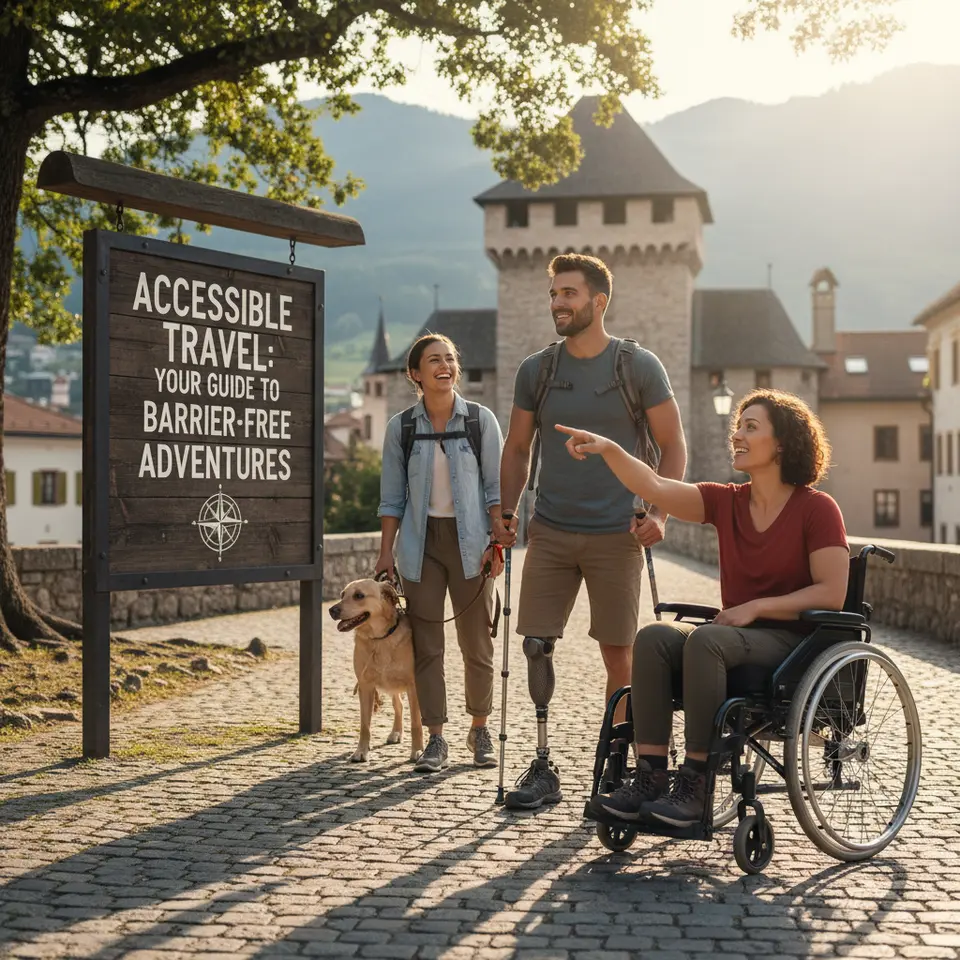
In today’s digital landscape, accessible travel is rapidly evolving into an essential expectation rather than an optional luxury. Every individual deserves the opportunity to explore, discover, and engage with the world without unnecessary obstacles. Yet travelers with mobility, sensory, or health-related challenges often confront barriers that can turn an eagerly anticipated trip into a source of stress. This year (2026), more resources and innovations are available than ever to empower inclusive journeys—from barrier-free accommodations to adaptive transportation solutions. In this guide, we’ll outline proven strategies, expert tips, and credible sources to help you plan and enjoy a seamless travel experience. Whether you use a wheelchair, have visual or hearing impairments, or simply seek destinations that embrace universal design principles, you’ll find practical advice grounded in real-world insights. By weaving in the focus keyword accessible travel throughout, we ensure this article is optimized to reach those looking for comprehensive guidance. Join us today as we chart the path to transforming your next adventure into a fully accessible exploration with confidence and clarity.
Planning Your Accessible Journey
Meticulous planning lays the groundwork for a successful accessible travel experience. Before setting any dates, take time to research destinations, vendors, and local policies related to disability access. Begin with reputable platforms—forums like TravelAbility or specialized blogs where travelers share firsthand reviews. Official government tourism sites, such as the U.S. Department of State’s accessible travel resources, can also provide up-to-date regulations and safety advisories. Prioritize locations known for inclusive infrastructure; global cities like Berlin, Tokyo, and Vancouver have undertaken significant investments in barrier-free public spaces, while some smaller communities are earning recognition for innovative programs.
Choose Destinations with Inclusive Infrastructure
When evaluating a location’s accessibility, look for comprehensive public transit networks equipped with ramps, elevators, audible announcements, and tactile guide paths. Check whether major attractions display official certifications or accessibility ratings. Many cities participate in the International Organization for Standardization (ISO) guidelines or have their own rating systems. In addition, consult academic studies—universities such as University College London publish research on urban accessibility—which can reveal areas of progress and ongoing challenges. This will help you balance your itinerary between iconic landmarks and off-the-beaten-path spots that are visitor-friendly.
Build an Accessibility Checklist
Creating a personalized checklist ensures nothing is overlooked when comparing options. Core items should include roll-in shower dimensions, doorway widths, grab-bar installations, hearing loop availability, visual alarm systems, and service animal policies. For travelers with sensory sensitivities, note nearby quiet zones or parks where spontaneous breaks can occur. Incorporate details like adaptive vehicle availability, specialized medical support, and local emergency contacts. By centralizing this information—whether in a digital document or a printed folder—you can share requirements directly with hotels, tour operators, and transportation providers, reducing misunderstandings at booking time.
Beyond structural features, examine the staff’s training level in assisting diverse travelers. Some properties carry certifications from organizations such as the International Association of Accessibility Professionals (IAAP). If you encounter gaps, don’t hesitate to request supplementary services or equipment rentals through third-party vendors. Proactive communication is key: sending detailed emails or making follow-up calls will reinforce your needs and secure added peace of mind before departure.
Barrier-Free Transportation Tips
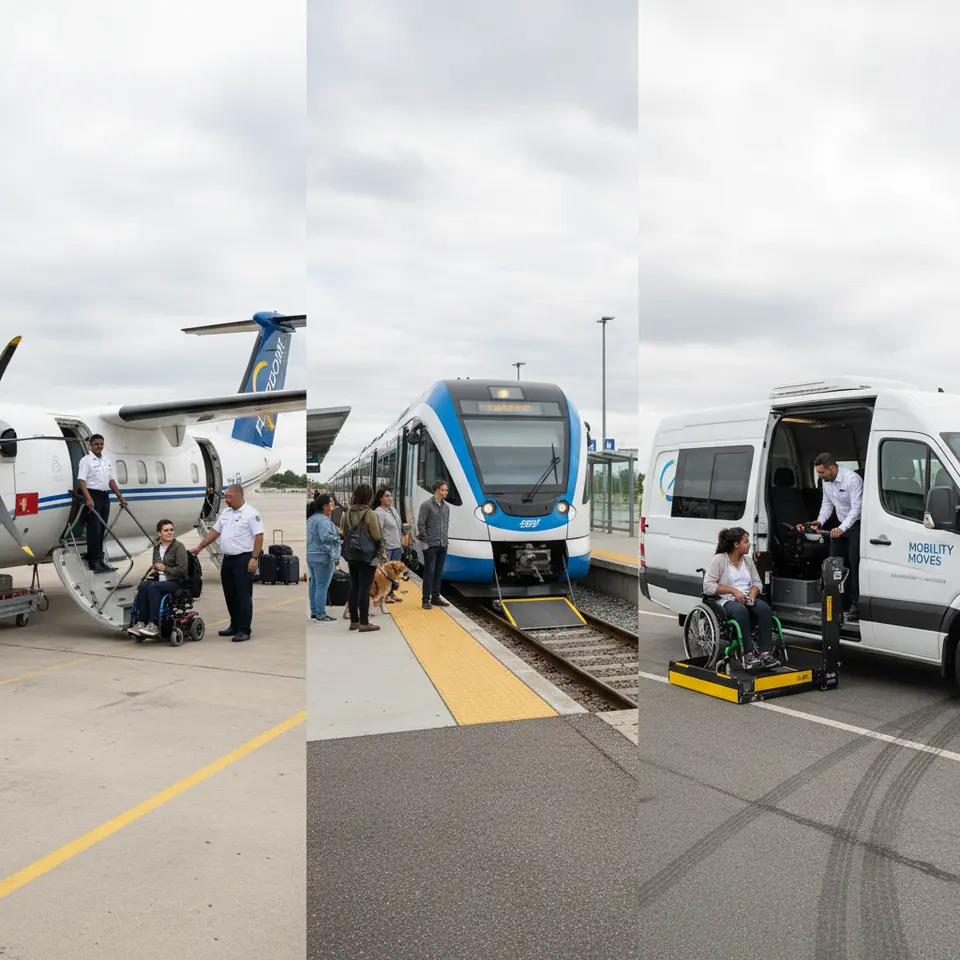
Reliable transportation is crucial for maintaining your independence and enjoyment throughout a trip. Whether you travel by plane, train, bus, or car, advance planning and clear communication with providers will minimize hiccups and delays.
Air Travel Considerations
Airports and airlines have made strides in improving accessible travel, yet standards and services still vary widely. To ensure smooth processing, notify your airline of any mobility or medical requirements at least 72 hours before departure. Request wheelchair assistance, aisle chairs, or extra legroom seating as needed. Arrive early—ideally three hours before domestic flights and four hours for international departures—to accommodate additional security screening and boarding procedures. Many major airports offer dedicated accessibility lounges, electric cart services, and trained escorts. Check the Transportation Security Administration (TSA) Pre✓® and Accessible Travel Program for additional screening accommodations.
Accessible Trains and Buses
National rail networks increasingly retrofit carriages with accessible compartments, priority seating, and platform-level boarding. When booking, specify that you require a wide-door cabin or a seat with extra space. Regional and intercity bus companies often deploy low-floor models with built-in wheelchair lifts. Before confirming your ticket, call the provider’s customer service line to verify ramp dimensions and lift weight capacities. This prevents unpleasant surprises upon arrival at the station or bus stop.
Adaptive Car Rentals
For full autonomy at your destination, consider renting an adaptive vehicle. Specialized agencies partner with leading mobility equipment manufacturers to offer hand controls, swivel seats, and hydraulic lifts. Companies like Mobility Ventures and Citywide Mobility Rentals maintain a portfolio of modified vans and cars tailored to various disabilities. Confirm any licensing prerequisites—some countries may require temporary endorsements or additional insurance coverage. Plan your fuel stops and parking zones in advance, ensuring you have access to accessible fueling stations and designated stalls.
Supplement your transport strategy with local ride-share apps that support accessible travel. Services such as Lyft Access in the U.S. or Ola Access in select global markets provide wheelchair-accessible vehicles upon request. Familiarize yourself with booking windows and in-app accessibility filters to streamline the process.
Selecting Inclusive Accommodations
Your choice of lodging can make or break an accessible travel experience. Look beyond star ratings and focus on tangible accessibility features that cater to your individual needs. Whether you opt for hotels, vacation rentals, or specialized retreats, verify both structural accommodations and the availability of assistive devices.
Understanding ADA and Local Standards
In the United States, the Americans with Disabilities Act (ADA) outlines stringent criteria for accessible guest rooms, including clear floor space, roll-in showers, and visual alarms. Outside the U.S., standards may vary: the European Accessibility Act, for instance, addresses public building access, while Japan’s Act on Promotion of Smooth Transportation prescribes facility modifications. Visit official government portals—such as the U.S. Department of Justice or the European Commission’s accessibility pages—for authoritative regulations and guidelines.
Vacation Rentals and Home Exchanges
Platforms like Airbnb, Vrbo, and HomeExchange now include robust filters for accessible travel needs. Hosts can tag listings with features like step-free entrances, wide hallways, and adjustable beds. Always review photos carefully and message hosts to clarify any uncertainties about bathroom layout or thresholds. For added reassurance, request a short video walkthrough. In some regions, third-party agencies offer professionally audited accessibility reports to ensure accuracy.
Specialized Accessible Hotels
Certain hotel chains focus exclusively on inclusive travel, employing staff trained in disability etiquette and stocking assistive equipment such as mobile ramps, shower chairs, and visual alert devices. Brands like Mobility Mojo and Handiscover curate properties worldwide with verified accessibility standards. Booking through these services guarantees consistency and often includes dedicated customer support for troubleshooting any issues that arise.
When reserving your room, ask about transfer devices, in-room telephone amplifiers, and service animal policies to ensure complete comfort during your stay. This level of detail will save time upon check-in and offer the independence you deserve during your travels.
Exploring Accessible Attractions & Activities
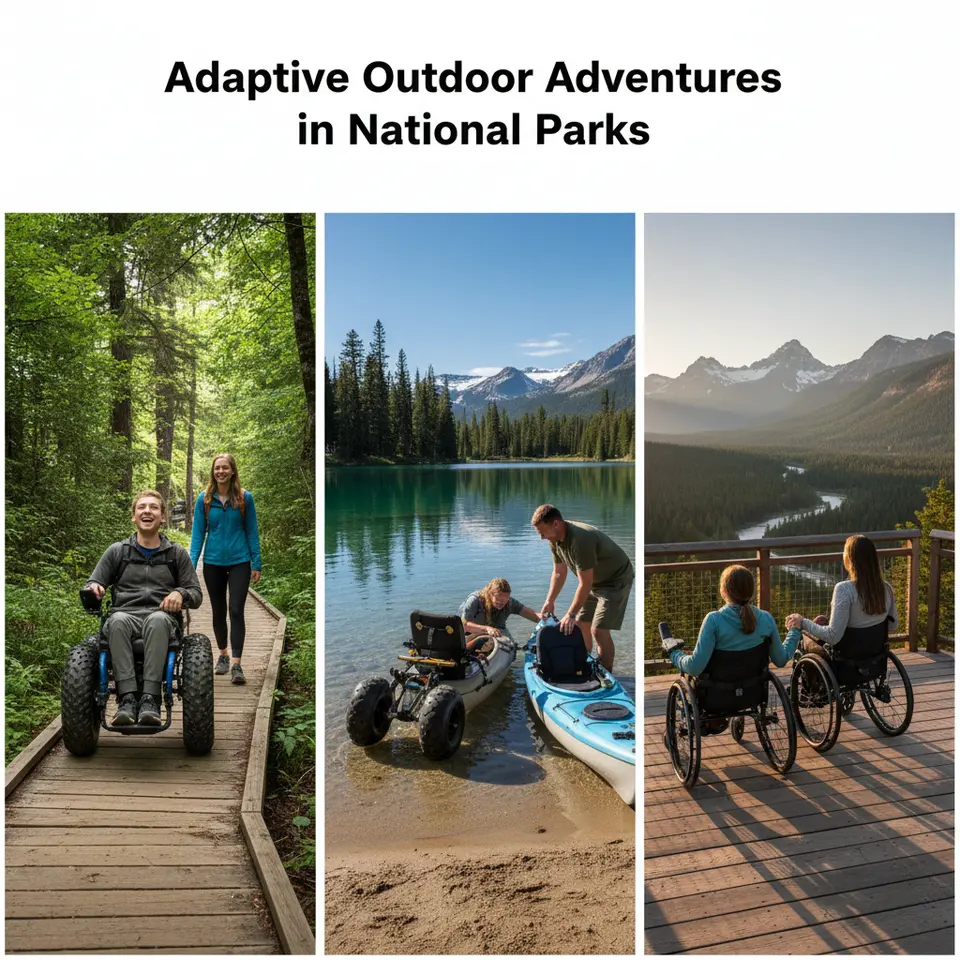
Travel is about experiencing sights, sounds, and cultures firsthand. Accessible travel empowers you to take part in local attractions and adventures without compromise. Before you go, map out inclusive options that align with your interests.
Museums and Cultural Sites
Most leading museums now offer ramps, elevators, tactile guides, and audio descriptions. Contact institutions in advance to reserve mobility aids or sign language interpreters. Many cultural centers provide touch tours and braille labels for visually impaired guests. Check the Smithsonian Institution’s accessibility resources or consult the UNESCO World Heritage Centre for specific site accommodations.
National Parks and Outdoor Spaces
National parks often feature accessible trails, boardwalks, and viewpoint platforms. The U.S. National Park Service (https://www.nps.gov) publishes detailed accessibility maps highlighting restrooms, parking, and picnic areas that meet ADA standards. For more rugged terrain, adaptive equipment rentals—such as all-terrain wheelchairs or amphibious beach chairs—open up opportunities for hiking, kayaking, and wildlife viewing.
Adaptive Sports and Wellness Experiences
Adventure operators increasingly integrate adaptive programs, from hand-cycling excursions to seated yoga retreats. Search for local chapters of organizations like Disabled Sports USA or consult the Reeve Foundation’s directory of adaptive sport providers. These experiences foster both physical engagement and community bonds among travelers with shared interests.
By planning ahead and booking certified providers, you can enjoy the full spectrum of recreational opportunities. Whether you crave urban exploration, coastal relaxation, or mountain vistas, accessible travel ensures none of these experiences are off-limits.
Technology, Tools, and Resources
Today’s technology plays an instrumental role in facilitating accessible travel. From smartphone apps to assistive gadgets, these resources streamline every step of your journey.
Accessibility Apps
Applications such as Wheelmap and AccessNow crowdsource real-time accessibility information for restaurants, shops, and transit hubs. Ava provides instant captioning during conversations, while Be My Eyes connects visually impaired travelers with volunteers for live assistance. Download and test these tools before departure to become comfortable navigating their features.
Assistive Devices
Invest in lightweight, foldable wheelchairs or portable ramps to bridge last-mile gaps. Noise-cancelling headphones and sensory-friendly ear defenders help travelers with auditory sensitivities maintain comfort in busy settings. Electronic alert systems—like vibrating watches or phone-based reminders—offer subtle prompts for appointments and medication schedules without drawing attention.
Planning and Booking Platforms
Specialized platforms such as DisabledGo and Accessible Space consolidate accessible travel options across hotels, tours, and transportation providers. These sites allow you to filter results by specific requirements—like roll-up shower access or hearing loop availability—and often link to official accreditation bodies. Cross-reference listings with provider websites or direct phone calls to confirm details and secure peace of mind.
Embracing these tools equips you to tackle unforeseen challenges and ensures that accessible travel remains not just a concept, but a reality for every journey.
FAQ
- What is accessible travel?
- Accessible travel refers to the practice of planning and executing trips in a way that ensures individuals with disabilities or mobility challenges can move freely and safely, with access to accommodations, transport, and activities designed to meet their needs.
- How do I find accessible accommodations?
- Use platforms like Airbnb, Vrbo, and specialized services such as Mobility Mojo and Handiscover, filter by accessibility features, review photos, and communicate directly with hosts to confirm details.
- Which destinations are known for good accessibility?
- Cities like Berlin, Tokyo, and Vancouver are recognized for their barrier-free infrastructure, while many national parks in the U.S., UK, and Australia provide accessible trails and facilities.
- What should I include in my accessibility checklist?
- Key items include doorway widths, roll‐in shower dimensions, grab bars, hearing loop availability, visual alarms, service animal policies, and local emergency contacts.
- Are there apps that help with accessible travel?
- Yes, apps like Wheelmap, AccessNow, Ava, and Be My Eyes offer real-time accessibility data, instant captioning, and volunteer assistance to enhance your journey.
Conclusion
In today’s world, accessible travel is not merely a trend but a fundamental right. By thoroughly researching destinations, crafting detailed checklists, and leveraging barrier-free transport and lodging options, you can overcome common obstacles and enjoy a seamless adventure. Embrace adaptive technology, consult authoritative resources such as the CDC (https://www.cdc.gov), and explore national parks via the NPS website (https://www.nps.gov) to maximize your trip’s potential. With proactive planning and open communication, travelers of all abilities can experience new cultures, natural wonders, and lifelong memories. Today, accessible travel empowers you to chart your own course—so pack your bags, trust in your preparations, and embark on a barrier-free journey that celebrates exploration and inclusivity this year (2026).