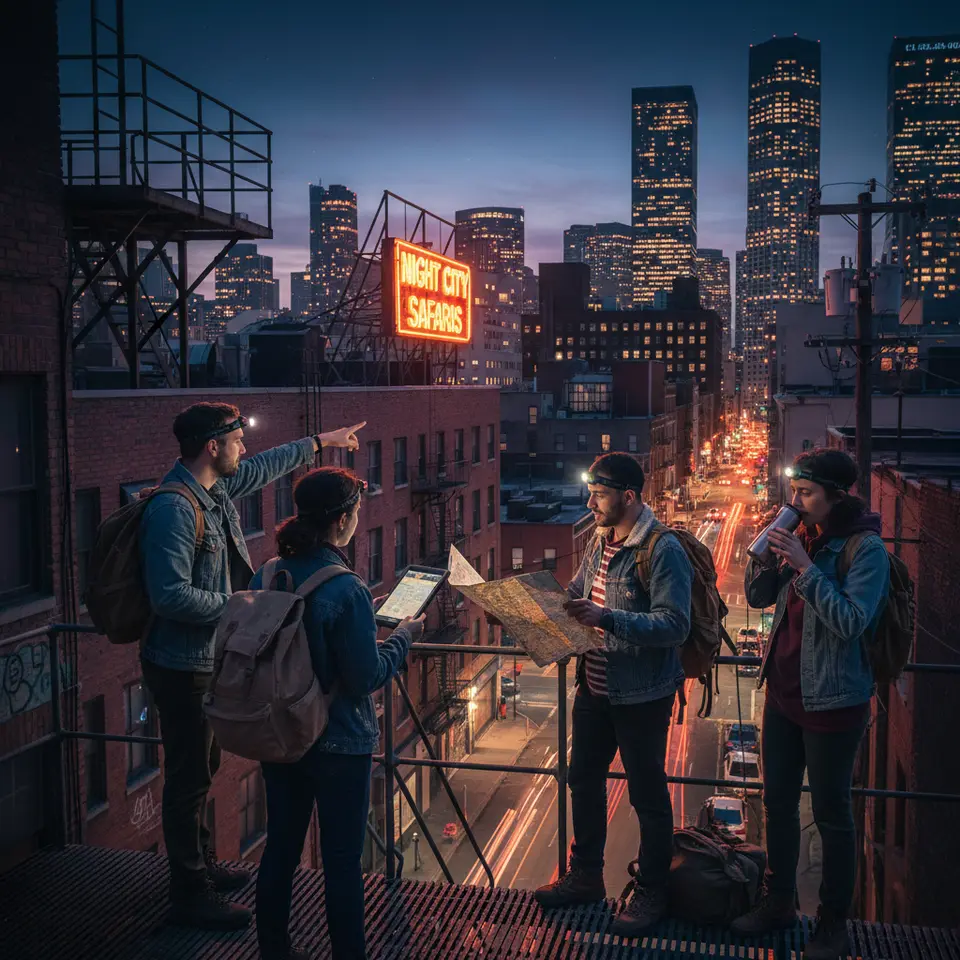
In today’s fast-paced digital landscape, urban exploration has taken on an exciting new dimension as both travelers and locals seek fresh perspectives on familiar skylines. Enter night city safaris—immersive after-dark journeys that reveal hidden corners, illuminated landmarks, and the subtle rhythm of city life often invisible during the day. By wandering bustling lanes under artificial light, participants gain unique access to striking architecture, vibrant street art, and cultural experiences that only emerge when darkness falls. Whether you’re a solo adventurer with a camera or part of a small group led by a knowledgeable guide, night city safaris combine adventure, safety, and discovery in a way that transforms ordinary city streets into extraordinary nocturnal playgrounds.
Why Embrace After-Dark Urban Exploration
When the sun sets, cities around the world transform into dynamic nocturnal landscapes. Neon lights glimmer on reflective surfaces, quiet alleyways reveal secret charms, and familiar streets take on an entirely new character. Choosing a night city safari offers several unique benefits:
- Reduced Crowds: Popular squares, monuments, and thoroughfares often become tranquil after peak hours, allowing for intimate encounters with urban landmarks.
- Enhanced Senses: Sounds become more pronounced—from distant traffic hums to the music of street performers—while the interplay of light and shadow sharpens visual perception, revealing textures and details missed by daylight.
- Creative Light Displays: Many cities host projection art, LED installations, or light festivals visible only at night, highlighting local creativity and transforming public spaces into living galleries.
- Cultural Immersion: Street food vendors, night markets, and pop-up events thrive after dark. Engaging with locals during these hours offers a more authentic experience of a city’s culture and daily rhythm.
Planning Your Night City Safari
Effective planning ensures your night-time adventure is both safe and memorable. Start by researching local regulations, sunset times, and seasonal weather patterns. Map out a route combining major landmarks with hidden gems like alleyway galleries or riverside promenades. Don’t forget to schedule breaks at late-night cafés or diners to recharge and observe the city’s nocturnal pulse.
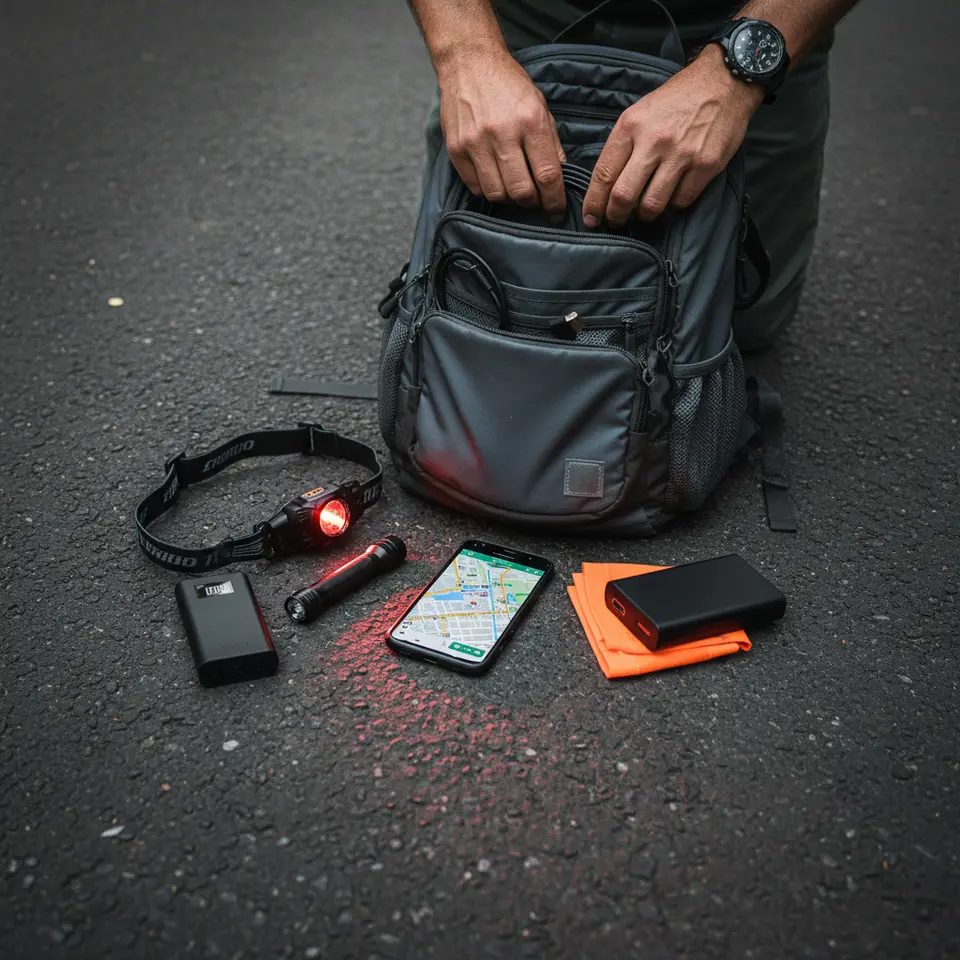
Safety should always be a priority. Stick to well-lit streets, share your itinerary with a trusted contact, and consider joining a guided tour if exploring an unfamiliar city. Carry essential items like a headlamp, reflective clothing, power banks, and a compact map to navigate confidently after dark.
Essential Gear for Night Exploration
Packing the right equipment can make or break a night city safari:
- Hands-Free Illumination: Headlamps or compact flashlights with adjustable beams help you explore safely.
- Reflective Apparel: Vests, bands, or tape increase visibility for vehicles and cyclists.
- Charged Power Banks: Ensure smartphones and cameras remain powered throughout the night.
- Compact Backpack: Store water, snacks, maps, and personal identification conveniently.
- Versatile Mobile Apps: Offline maps, ride-sharing, and translation tools enhance convenience and security.
Benefits Beyond Adventure
Participating in night city safaris isn’t just about sightseeing. Studies from institutions like Stanford University highlight how night tourism supports local economies while promoting sustainable foot traffic. These excursions foster creativity, as cities often commission night-only light shows or performances, and help travelers engage more deeply with local communities and their traditions.
Additionally, exploring cities at night stimulates the senses in unique ways, enhancing mood, mindfulness, and even photography skills. Long-exposure shots of illuminated streets or neon reflections provide artistic opportunities rarely available during daylight.
Top Destinations for Night City Safaris
Cities around the globe offer unforgettable after-dark experiences:
- Tokyo, Japan: Neon-lit streets, Shibuya Crossing, and Golden Gai’s cozy izakayas.
- Berlin, Germany: East Side Gallery illuminated, techno clubs, and Brandenburg Gate light displays.
- New York City, USA: Times Square LED spectacle, Brooklyn Bridge night views, and late-night diners.
- Singapore: Gardens by the Bay light shows, Chinatown hawker culture, and efficient public transport.
- Marrakech, Morocco: Jemaa el-Fnaa square at night, lantern-lit alleys, and rooftop cafés over the medina.
Planning Your Night-Time Journey
Effective planning is the backbone of any memorable night city safari. Follow these critical steps to ensure a smooth, safe experience:
Research Local Regulations and Timing
Every city has distinct policies governing nighttime access to public areas, elevated viewpoints, and historic districts. Investigate municipal websites or tourism boards for park closing times, rooftop bar regulations, and any curfews. In some urban centers, special permits may be required to set up a tripod for photography. Note seasonal sunset schedules and average weather conditions to maximize comfortable hours of exploration.
Map a Balanced Route
Craft a route that weaves together major attractions—well-lit plazas, pedestrian bridges, and landmark monuments—with lesser-known hideaways like covered alley galleries or riverside promenades. Use a mix of digital mapping tools and offline guides to avoid reliance on cellular data. Plan for rest stops at late-night cafés or 24-hour diners to recharge both devices and energy levels. If you’re traveling in a group, factor in meeting points and emergency rendezvous spots.
Coordinate Safety Measures
Share your complete itinerary, including estimated arrival times, with a trusted contact. Stick to busy streets whenever possible and avoid poorly illuminated lanes alone. Carry identification, emergency cash, and contact numbers for local authorities. For expert recommendations on personal safety gear, refer to guidelines published by the National Park Service, which include tips on first-aid kits, reflective materials, and multi-purpose tools. If you’re less experienced, consider joining a guided night tour to benefit from local knowledge and on-the-ground support.
Essential Gear for After-Dark Travel
Outfitting yourself correctly ensures both comfort and security when navigating unfamiliar urban environments after dusk. Assemble the following items before setting out:
- Hands-Free Illumination: A headlamp or compact flashlight with adjustable beam settings helps you read maps, adjust camera equipment, and negotiate uneven sidewalks. Choose models with red-light modes to preserve night vision.
- Reflective Apparel: Vests, wristbands, or strips of reflective tape make you more visible to motorists and cyclists. Many brands offer lightweight, moisture-wicking options suitable for extended wear.
- Charged Power Banks: Keep smartphones, GPS devices, and cameras powered throughout the night. Opt for banks with quick-charge capabilities and enough capacity to refill devices multiple times.
- Compact Backpack: A water-resistant pack with multiple compartments allows you to stow water bottles, snacks, portable chargers, maps, and personal identification securely.
- Versatile Mobile App: Install an all-in-one tool that integrates offline maps, ride-share functionality, language translation, and emergency contacts. Ensure your app is updated and that required areas are downloaded for offline use.
Research by travel safety experts shows that having both digital and analog navigation aids can reduce the risk of disorientation by over 70%. Carry a printed mini-map as a backup to your digital tools, and familiarize yourself with basic phrases in the local language for emergencies.
Top Destinations for Night City Safaris
Cities have their own nocturnal personalities. The following destinations stand out this year for offering rich after-dark experiences:
Tokyo, Japan
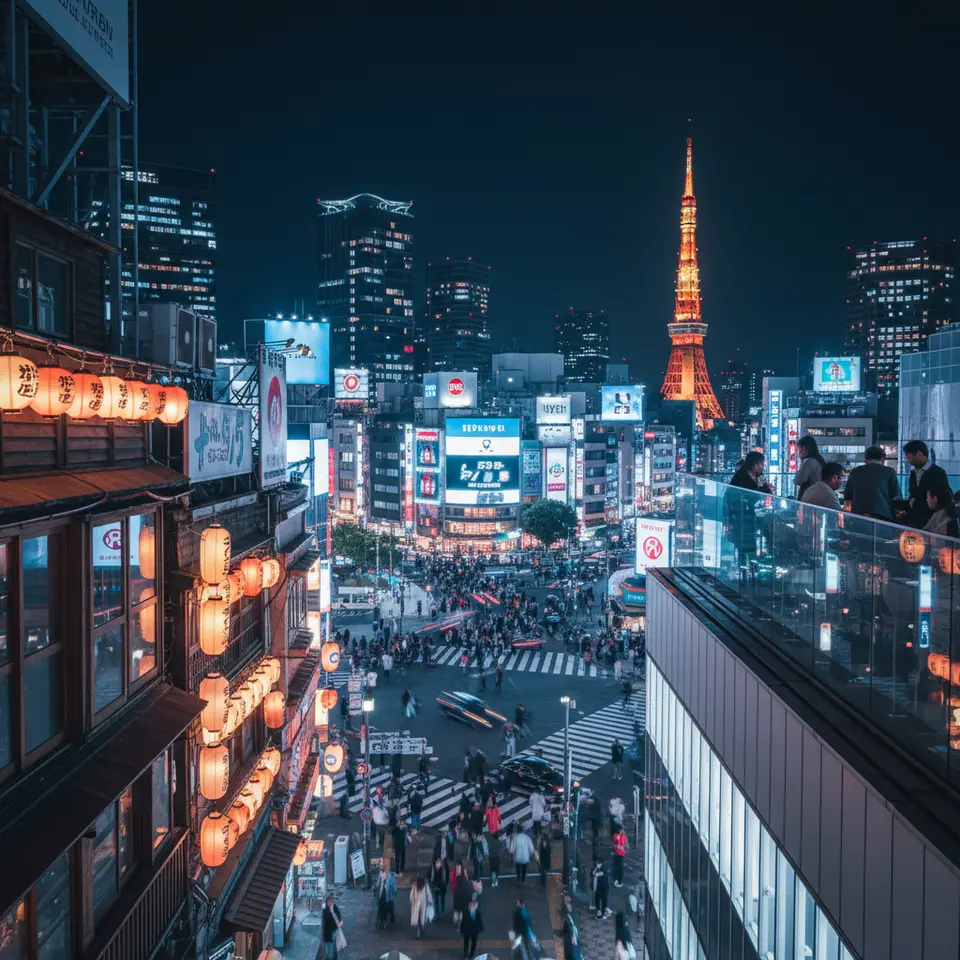
Shinjuku’s neon canyons and the iconic Shibuya Crossing transform into a vibrant tableau when electronic billboards blaze to life. Seek out Golden Gai’s network of narrow pub-lined alleys for an authentic izakaya crawl. For panoramic views, ascend to rooftop bars in Roppongi Hills—Tokyo Tower’s red illumination adds a distinctive glow to the skyline.
Berlin, Germany
Art and night collide along the Spree River where the East Side Gallery takes on spectral hues under spotlights. Kreuzberg’s techno clubs pulse well into the early hours, showcasing Berlin’s reputation for boundary-pushing culture. The Brandenburg Gate hosts rotating light exhibitions that highlight themes of unity and creativity.
New York City, USA
The city that never sleeps truly means it. Times Square’s LED billboards command attention, while the Brooklyn Bridge, lit by string lights, offers panoramic views of Lower Manhattan. Hop on a late-night subway to explore diverse neighborhoods—each with its own specialty diner or street food stall still serving patrons at 3 a.m.
Singapore
Futuristic Gardens by the Bay puts on nightly showings at Supertree Grove, combining music, choreographed lights, and projected visuals. Wander through Chinatown’s shophouses and savor chili crab or satay at hawker centers that stay open until well past midnight. The city’s efficiency ensures that public transit remains an easy, safe option for after-dark travel.
Marrakech, Morocco
Jemaa el-Fnaa square hums with storytellers, acrobats, and food stalls. Lantern-lit winding alleys beckon you into hidden riads and rooftop cafés overlooking the medina. Under a canopy of stars, this ancient city fuses historical ambiance with vibrant street life, making for an unforgettable night safari.
Pro Tips for a Memorable After-Dark Adventure
- Blend In: Observe local dress codes—opt for neutral-colored clothing and avoid flashy accessories that may draw unwanted attention.
- Leverage Public Transit: Many urban centers run round-the-clock buses or trains. Riding public transport is often safer and faster than walking long stretches at night.
- Savor Street Flavors: Dive into night markets to sample authentic regional dishes. From grilled skewers to sweet pastries, you’ll find both comfort and novelty.
- Master Long-Exposure Photography: Bring a small travel tripod or use street furniture as support to capture light trails and illuminated facades. Experiment with shutter speeds between 5–30 seconds for dynamic results.
- Engage with Audio Guides: Download local podcasts or audio tours to enrich your understanding of neighborhood histories, folklore, and architectural highlights as you navigate the lanes.
By integrating these pro tips into your night city safaris, you’ll elevate safety, deepen cultural engagement, and unlock novel photographic opportunities. Remember that flexibility matters: be prepared to adapt if a hidden alley invites your curiosity or a spontaneous street performance captivates you.
Conclusion
Night city safaris represent a dynamic way to rediscover urban environments through the interplay of light, shadow, and culture. By embracing careful planning, packing essential gear, and tapping into local insights, you’ll navigate city streets with confidence and wonder. Each destination—from Tokyo’s neon-lit crossroads to Marrakech’s lantern-draped alleys—offers its own nocturnal personality waiting to be explored. So tonight, when the city lights flicker on, answer the call: embark on a night-time urban expedition and experience cities in a completely new light.
Frequently Asked Questions – Night City Safaris
What are Night City Safaris?
Night City Safaris are guided or self-led urban explorations that take place after sunset, revealing hidden corners, illuminated landmarks, street art, and cultural experiences that are unique to nighttime.
Why should I try Night City Safaris?
Night City Safaris offer a fresh perspective on cities, with reduced crowds, vibrant lighting, and unique sensory experiences that cannot be found during the day.
Which cities are best for Night City Safaris?
Popular destinations for Night City Safaris include Tokyo, Berlin, New York City, Singapore, Marrakech, Paris, Hong Kong, Barcelona, London, and Istanbul. Each offers its own nocturnal character and attractions.
Are Night City Safaris safe for solo travelers?
Yes, with proper planning, Night City Safaris can be safe for solo travelers. Stick to well-lit streets, share your itinerary, and carry emergency contacts and identification.
What is the best time to start a Night City Safari?
Plan Night City Safaris shortly after sunset to maximize twilight views or later in the evening to explore lively night markets, illuminated landmarks, and nightlife hotspots.
What gear is essential for Night City Safaris?
Bring a headlamp or compact flashlight, reflective clothing, portable power banks, a small backpack, a camera, and a printed or offline city map.
Can Night City Safaris include cultural experiences?
Absolutely. Night City Safaris often feature street performances, night markets, pop-up art exhibitions, rooftop cafés, and live music that highlight local culture.
How do I plan a Night City Safari route?
Map a mix of iconic landmarks, hidden alleys, riverside promenades, and safe rest stops. Digital apps with offline maps are useful, but having a printed backup ensures flexibility.
Are Night City Safaris family-friendly?
Some Night City Safaris are suitable for families with older children. Choose well-lit, safe routes and avoid areas with heavy nightlife or late-night crowds.
Can I photograph cities during Night City Safaris?
Yes. Night City Safaris are perfect for photography. Bring a tripod or use stable surfaces for long-exposure shots of illuminated buildings, light trails, and artistic installations.
Do Night City Safaris require a guide?
Not always. You can do self-guided Night City Safaris using maps and apps. However, guided tours offer safety, local insights, hidden spots, and historical context.
How do Night City Safaris benefit local communities?
Night City Safaris support local businesses like cafes, late-night markets, and small vendors. They also encourage responsible tourism, cultural appreciation, and sustainable nighttime urban activities.