Why Volunteering Vacations Matter
Community Impact Through Volunteering Vacations
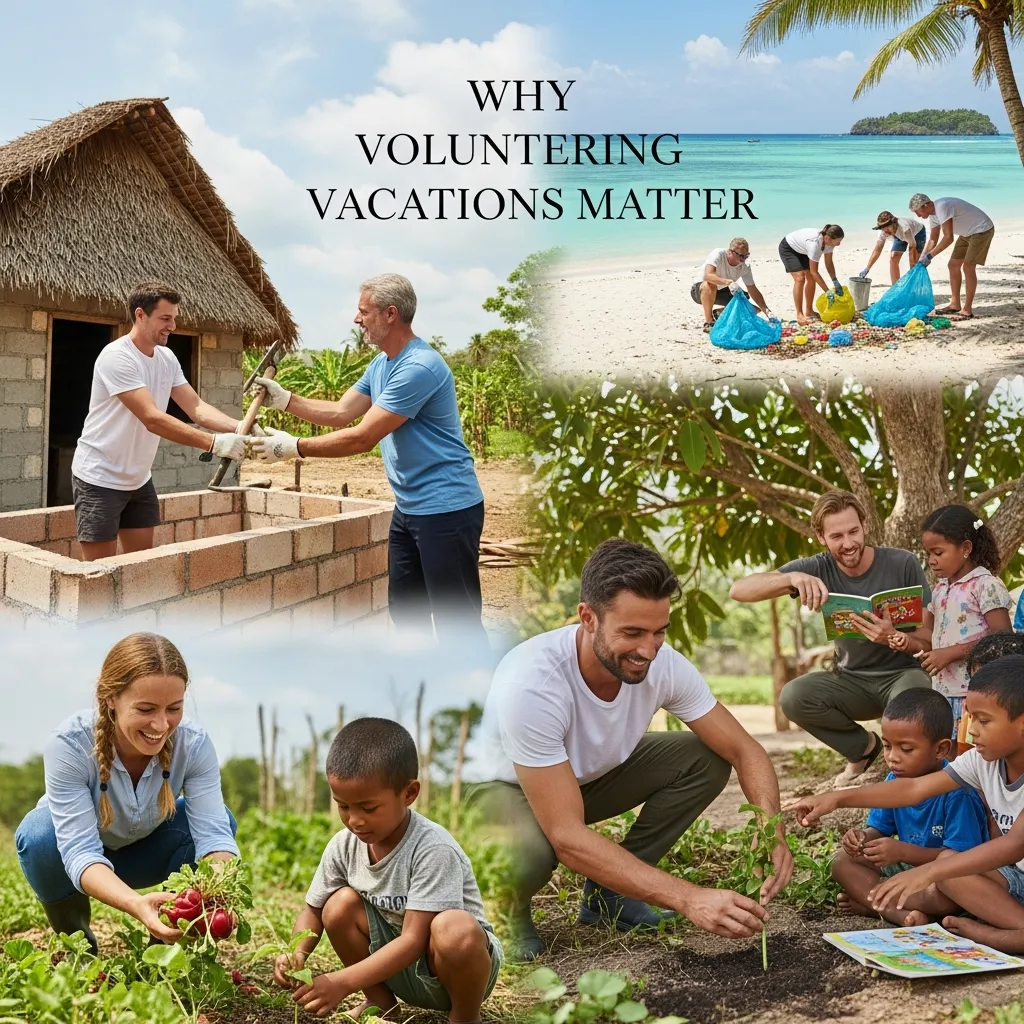
Volunteering vacations matter because they address critical needs and connect travelers with communities on a deeper level. In traditional tourism the focus often falls on photography and leisure activities, offering limited benefit to local populations. By contrast, volunteering vacations channel the energy and resources of visitors toward projects that support education, infrastructure, health, and environmental conservation. Today, community centers, schools, and nature reserves welcome visitors who come prepared to share their talents and insights. This approach also complements modern Wellness Travel, as many travelers now seek meaningful healing experiences that combine personal growth with purposeful contribution.
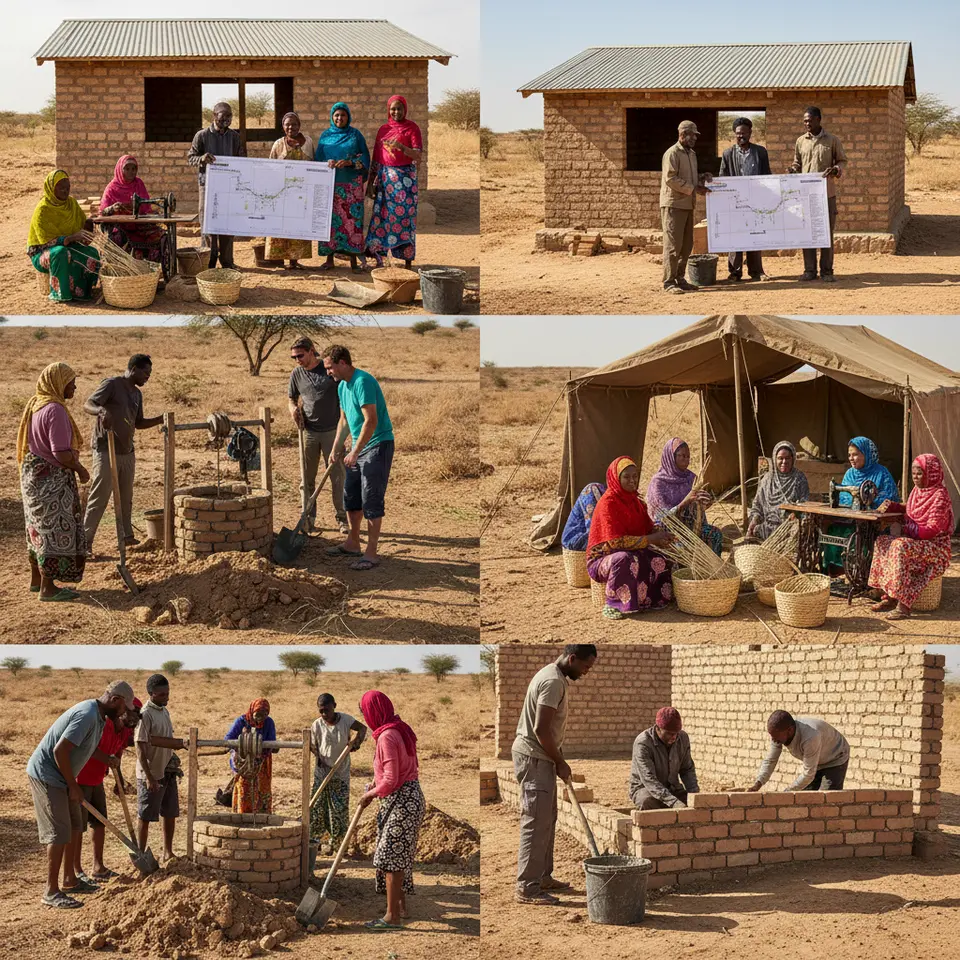
First, volunteering vacations create community impact. Participants contribute to initiatives like building sanitation facilities or planting native trees to restore habitats. These projects often operate under the guidance of local leaders, ensuring that efforts remain relevant and respectful. According to United Nations research published by the UN Department of Economic and Social Affairs , community-led development yields stronger results by empowering residents to take ownership of outcomes.
Cultural Exchange and Human Connection
Second, these trips stimulate cultural exchange. Working side by side with local residents fosters genuine relationships. Learning basic phrases, respecting customs, and observing traditions cultivate empathy. In today’s digital landscape such connections counteract stereotypes and help travelers appreciate diverse worldviews. In some destinations, volunteering experiences can even extend into immersive local exploration similar to Night City Safaris, where cultural discovery and real-life interaction create unforgettable memories.
Personal Growth and Transformational Travel
Third, volunteering vacations fuel personal growth and resilience. Facing new challenges abroad encourages adaptability, leadership, and problem-solving skills. Many alumni of service projects report increased confidence and a renewed sense of purpose. By intentionally choosing opportunities that align with personal strengths and passions, travelers can amplify their own transformation while making a difference.
The Broader Value of Volunteering Vacations
Overall, volunteering vacations combine discovery and service, offering a balanced way to explore the planet responsibly. This model resonates with current travelers seeking more than a vacation but a chance to contribute. By centering local needs, building trust, and committing to long-term support, this approach redefines travel as a force for good in communities around the globe. It also aligns with evolving trends in Wellness Travel, where emotional fulfillment and purposeful living are becoming central to modern journeys.
Popular Types of Volunteering Vacations
Wildlife Conservation
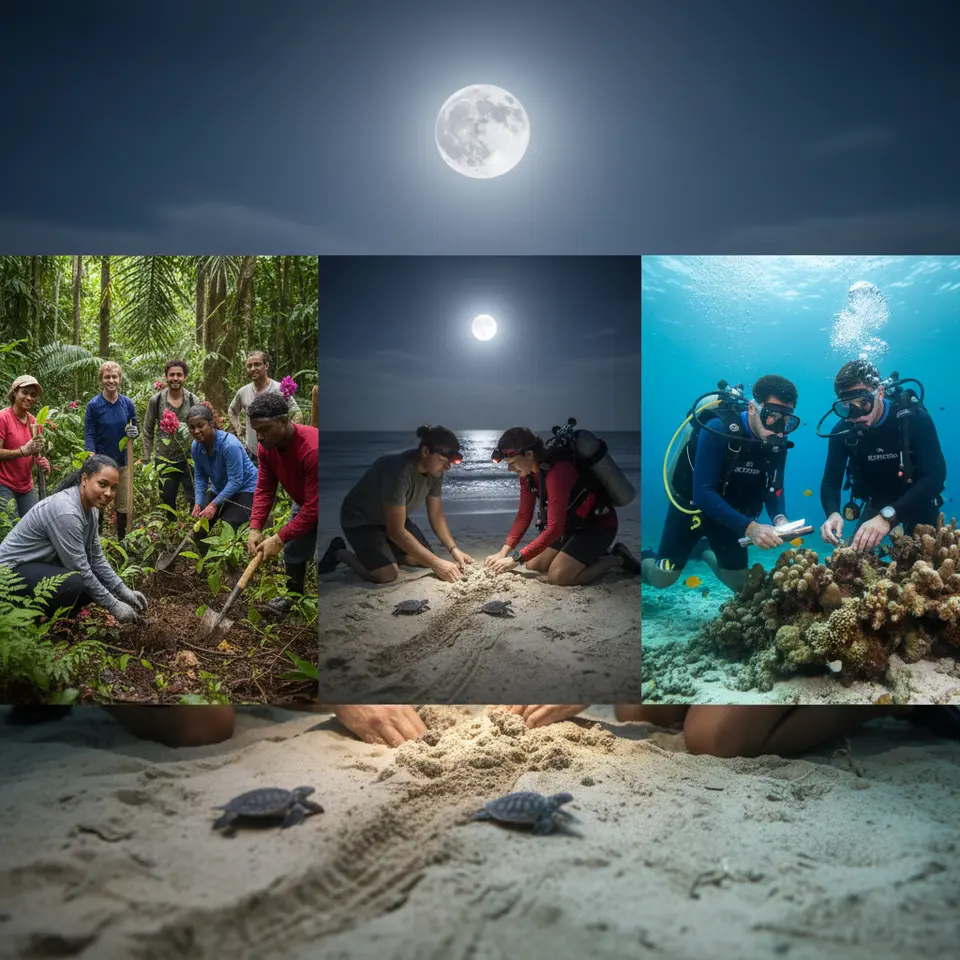
Wildlife conservation projects appeal to animal lovers and nature advocates. Volunteers might join efforts to protect endangered species, monitor biodiversity, or restore damaged ecosystems. Common tasks include planting native trees to reestablish forests, tracking sea turtle nests on tropical beaches, and collecting data on wildlife populations. These activities often partner with research institutions like the World Wildlife Fund or local universities to ensure scientific rigor.
In coral reef communities, volunteers can help transplant coral fragments under the supervision of marine biologists. Such hands-on work supports fragile marine ecosystems threatened by climate change and pollution. As participants learn habitat restoration techniques, they gain an understanding of ecological interdependencies and the importance of sustainable marine management.
Community Development
Community development volunteering vacations focus on infrastructure and livelihood projects. Volunteers may help construct schools, dig wells for drinking water, or build sanitation facilities. In addition, skilled participants often provide vocational training, language teaching, or business workshops. Supporting women’s cooperatives or microfinance programs can boost local economies and foster entrepreneurship.
Programs in rural Africa and Southeast Asia frequently collaborate with local non-governmental organizations and community councils. Transparency around budgets and clear reporting ensure that donated resources align with priority needs. For guidance on best practices, travelers can consult documents published by the United Nations Economic Commission or similar bodies that emphasize locally led initiatives.
Environmental Preservation
Environmental preservation projects address pressing ecological challenges on land and coast. Common activities include beach cleanups to remove plastic debris, mangrove reforestation along tropical coasts, and workshops on sustainable farming methods. Farmers learn soil conservation techniques and water management to increase resilience against extreme weather.
These programs often partner with research centers or governmental agencies such as the United States Environmental Protection Agency and local parks departments. By combining community education with direct action, volunteers amplify their impact and raise public awareness.
Healthcare and Education
Healthcare and education volunteering vacations deliver critical services in underserved areas. Licensed professionals can staff medical and dental clinics overseeing routine checkups, vaccination drives, and nutrition campaigns. Meanwhile, health educators run hygiene workshops and public health initiatives following guidelines from institutions like the Centers for Disease Control and Prevention.
In the education sector, volunteers tutor children in literacy, math, and science. After-school programs and STEM workshops inspire young minds and improve academic outcomes. By sharing digital media skills, travelers contribute to community centers that document projects and report progress to local stakeholders.
Choosing Ethical Volunteering Vacation Programs
With growing interest in volunteering vacations many organizations now offer short-term service trips. However, not all operate ethically. To ensure your efforts respect local communities follow these guidelines.
Prioritize Transparency
Reputable providers share detailed budgets and publish annual impact reports. They demonstrate clarity in how fees are allocated among local partners, staff, administration, and project materials. Avoid programs that lack clear financial breakdowns or depend on anonymous donations.
Seek Community Leadership
Programs co-managed or run entirely by residents guarantee that interventions address genuine needs. Community-led initiatives reduce dependency and support local autonomy. Look for evidence of partnerships with local councils, cooperatives, or volunteer committees.
Check Accreditation and Reviews
Organizations endorsed by bodies such as the International Volunteering Forum or certified under Travelife standards typically adhere to ethical benchmarks. Read alumni testimonials and independent reviews on trusted platforms to gauge participant satisfaction and program integrity.
Evaluate Long-Term Sustainability
Short-term visits can backfire if they lack follow-up plans. Choose projects with built-in support systems like mentorship networks and alumni programs. Consider initiatives that train local staff, establish maintenance protocols, and build capacity beyond your stay.
Budgeting and Preparing for Volunteering Vacations
Planning finances and logistics in advance ensures you contribute effectively without surprises. Here are key considerations for realistic budgeting and preparation.
Understand Program Fees
Most volunteering vacations charge a base fee covering accommodation, local transportation, meals, and administrative support. Compare fee structures across providers and request an itemized list covering housing standards and food quality. Ask about hidden costs such as park entry fees or special permits.
Factor Airfare and Insurance
International airfare can vary greatly depending on season and destination. Book early to secure better rates. Comprehensive travel insurance should include medical coverage and emergency evacuation. In regions with limited healthcare infrastructure this coverage is essential.
Account for Equipment and Donations
Volunteer gear might include sturdy footwear, gloves, medical supplies, or teaching materials. Some programs maintain supply lists or donation wish lists. If you carry gifts for partner communities choose practical items such as school notebooks or seeds for community gardens.
Research Visas and Health Requirements
Country entry regulations differ widely. Check immigration websites and consult embassy resources to learn about visa categories for volunteers. Review vaccination recommendations on government health sites like the CDC and carry proof of immunizations if needed. Pack a travel health kit containing first aid supplies, water purification tablets, and any prescription medications.
Plan Your Timeline
Many programs recommend a minimum stay of two to four weeks to build trust and complete meaningful tasks. Shorter stints exist for busy schedules but require more flexible goals. Register with your embassy if possible and share your itinerary with family for safety.
Maximizing Your Impact and Ensuring Sustainability
Achieving a lasting legacy demands intentional strategies before, during, and after your trip. Follow these best practices to enhance your volunteering vacation.
Listen and Observe First
Upon arrival take time to understand the local context. Hold meetings with community leaders, participate in cultural orientation sessions, and ask open questions. Observing established routines helps you integrate effectively.
Match Skills to Needs
Offer expertise in areas where you have training such as education, construction, digital media, or healthcare. If you lack specialized skills, consider tasks like translation or administrative support that still bring value without overstepping local capacities.
Focus on Capacity Building
Long-term success hinges on empowering residents. Train local trainers, establish clear documentation for procedures, and provide follow-up resources. Sharing digital guides or video tutorials ensures knowledge transfer extends beyond your stay.
Embrace Low-Impact Travel Practices
Reduce carbon footprints by choosing direct flights, limiting single-use plastics, and prioritizing eco-friendly lodging. Support locally owned guesthouses and cooperatives to ensure tourism revenues flow directly into the community.
Maintain Post-Trip Support
Your role does not end at departure. Share project updates on social media, fundraise for future campaigns, or return as a mentor through alumni networks. Staying connected helps sustain momentum and fosters accountability.