
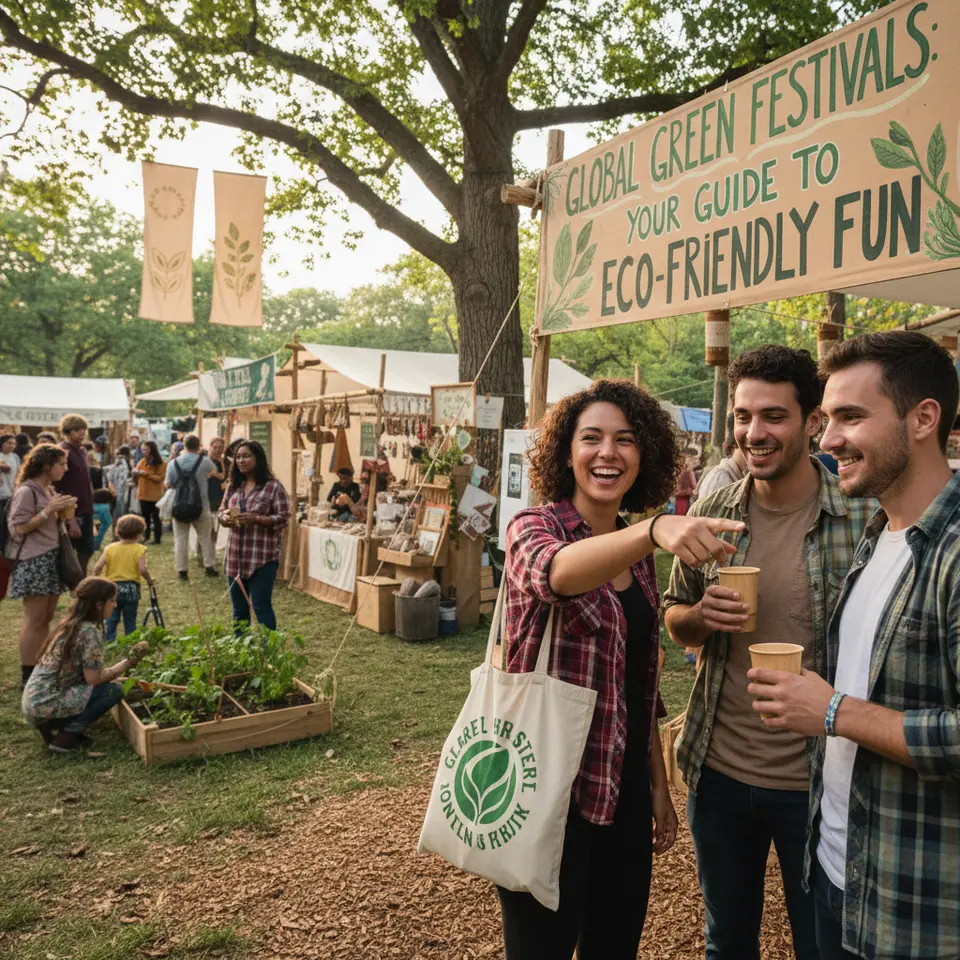
In today’s digital landscape, Global Green Festivals have become more than just music and art gatherings—they’re powerful platforms for environmental stewardship and community engagement. As travelers and culture enthusiasts seek meaningful experiences, Global Green Festivals represent events where sustainable practices and responsible tourism unite to celebrate creativity without compromising the planet. This year, attendees worldwide are embracing renewable energy stages, zero-waste dining, and locally sourced craftsmanship in record numbers, making Global Green Festivals a defining trend in modern travel.
By weaving together immersive performances with conservation-driven workshops, these green gatherings highlight innovative solutions to climate challenges. Whether you’re dancing under solar-powered lights, sampling plant-based treats from on-site farms, or learning permaculture techniques in a jungle setting, eco-friendly festivals invite you to participate in a global movement toward a low-impact lifestyle. With research from institutions like the Environmental Protection Agency (EPA) and sustainability goals outlined by the United Nations Sustainable Development Goals, today’s festival-goers can align their passion for culture with their commitment to the environment.
This comprehensive guide will walk you through why choosing eco-friendly festivals matters, showcase leading green events around the world, offer practical planning tips, detail zero-waste strategies, and introduce digital tools that amplify eco impact. Read on to discover how you can make your next festival adventure both unforgettable and earth-friendly.
The Importance of Eco-Friendly Festivals for Sustainable Living
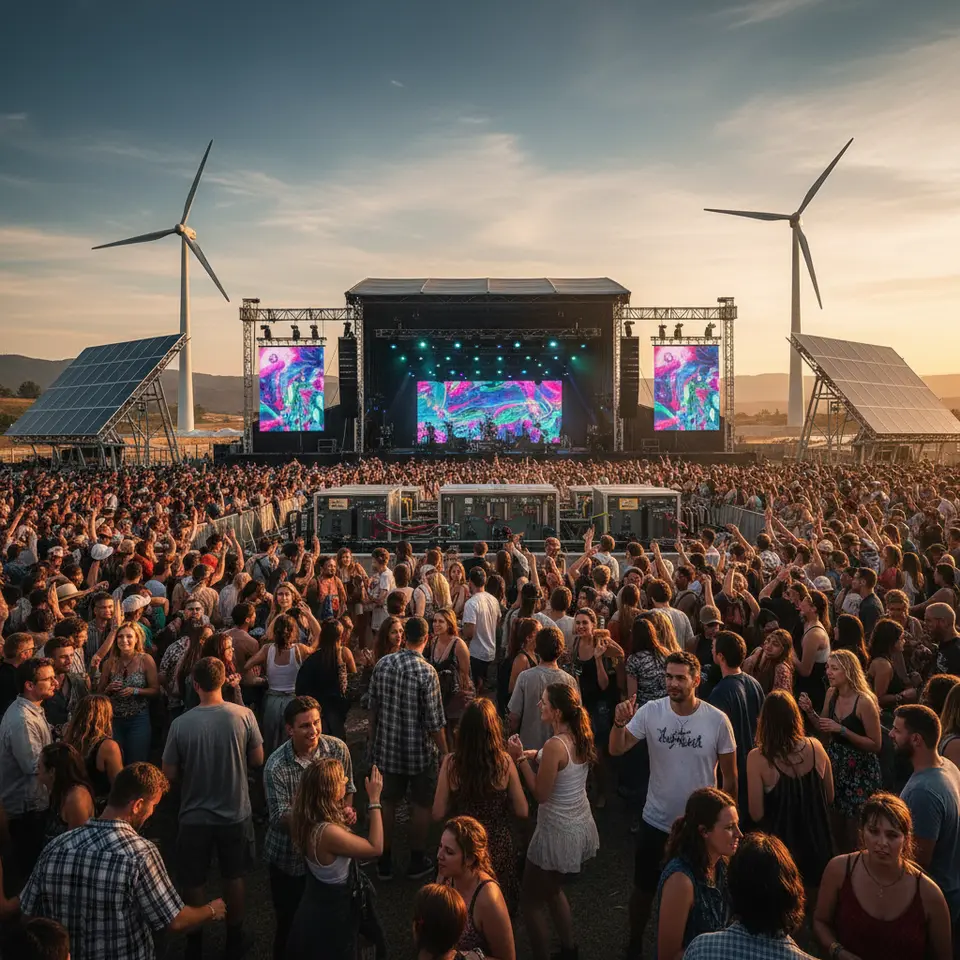
As large-scale gatherings, traditional festivals often generate significant carbon emissions, single-use plastic waste, and resource depletion. In contrast, eco-friendly festivals prioritize low-impact design, circular waste systems, and local collaboration to minimize environmental footprints. By prioritizing sustainability, these events demonstrate how modern celebrations can thrive without harming ecosystems.
Reducing Carbon Emissions with Renewable Energy
Stages powered by solar panels, wind turbines, or biodiesel generators significantly cut greenhouse gas emissions. According to the EPA, electricity production is one of the top sources of U.S. emissions, and shifting festival stages to renewable sources can reduce tons of CO2 annually. Many eco-friendly festivals partner with energy experts from universities—such as the Massachusetts Institute of Technology’s Climate Portal —to design efficient microgrids that deliver clean power.
Embracing Zero-Waste and Circular Practices
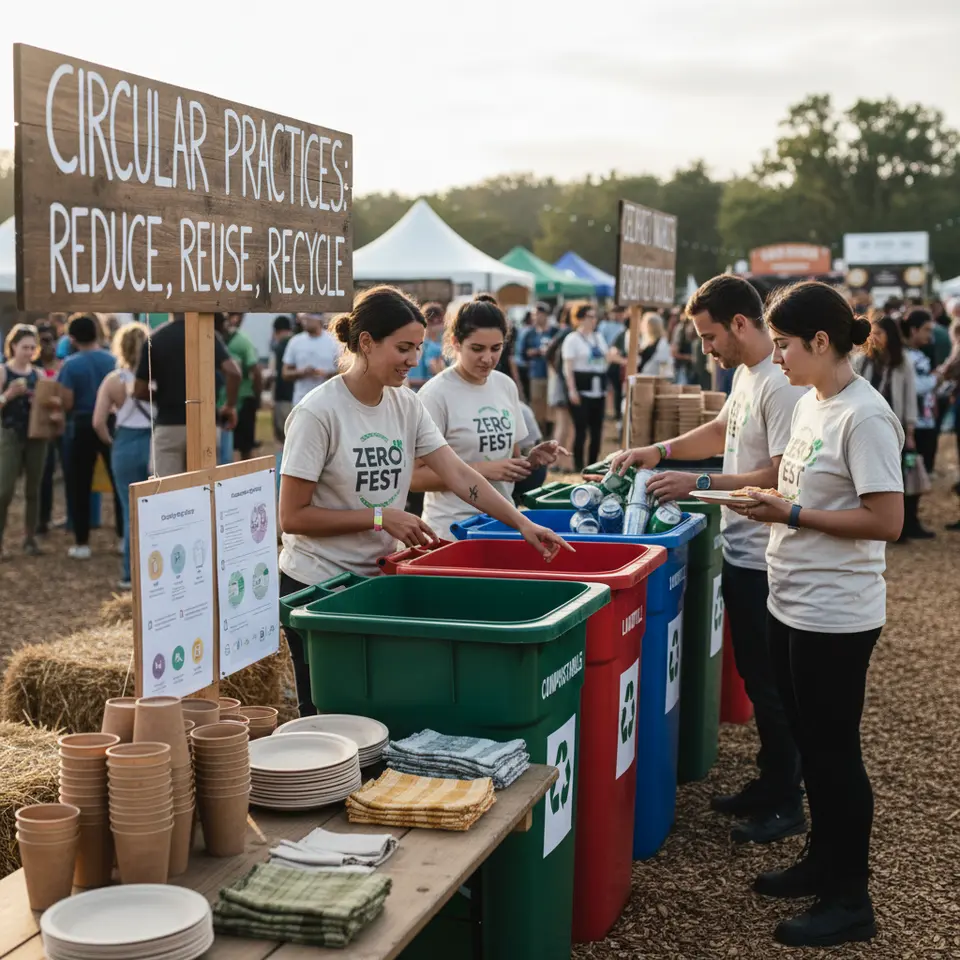
Zero-waste programs at green festivals encourage reusable cups, compostable plates, and comprehensive sorting stations. Organic matter and recyclables are separated on-site, then processed by local facilities to close the loop. Educational booths often feature guides from government initiatives, illustrating how citizens can replicate these practices at home.
Strengthening Local Economies and Communities
By sourcing food from nearby farmers, hiring local artisans, and engaging volunteers, eco-friendly festivals inject revenue into regional economies. These partnerships cultivate community pride and foster long-term stewardship of green spaces. In today’s collaborative spirit, attendees can even join workshops led by extension offices at land-grant universities to learn about native plant restoration and watershed management.
Ultimately, eco-friendly festivals set a standard for green living, showcasing scalable solutions that attendees can carry into their daily lives. Whether you’re a first-time visitor or a seasoned eco-traveler, understanding their importance helps you play an active role in a sustainable future.
Leading Global Green Festivals You Can’t Miss
From Europe’s sun-drenched coastlines to remote Canadian ranches, a growing roster of eco-friendly festivals offers unique experiences that blend culture with conservation. Below are some of the most innovative gatherings you should add to your bucket list.
Boom Festival (Portugal)
Held every two years on the shores of Idanha-a-Nova, Boom Festival is a circular event management pioneer. Powered entirely by solar and wind energy, the gathering features refillable water stations, composting toilets, and waste-sorting zones. Attendees can explore visionary art installations, take part in permaculture labs, and relax in holistic healing spaces. A dedicated family area ensures that children learn sustainability through play.
Lightning in a Bottle (USA)
Set in the rolling hills north of Los Angeles, Lightning in a Bottle blends electronic music with yoga, regenerative agriculture panels, and interactive art. Solar arrays energize the main stage, while on-site farms supply fresh produce to food vendors. Visitors are encouraged to join the compost crew or volunteer in regenerative farming workshops in exchange for festival badges.
Envision Festival (Costa Rica)
Nestled along the Pacific coast jungle, Envision Festival partners with local conservation groups to restore mangrove forests and protect marine reserves. Its fully vegan culinary program relies on regional ingredients, and upcycled crafts highlight ethical production. Beyond music and art, you can join cacao ceremonies and eco-tours that immerse you in Tico culture. Remember to pack reef-safe sunscreen to support coral protection initiatives.
Fusion Festival (Germany)
At a former Soviet airbase, Fusion Festival redefines avant-garde performance with a strict low-waste ethos. Attendees reuse camping gear year after year, vendors ban single-use plastics, and community art projects spring up across the site. Expect collaborative clean-ups, guerrilla gardening, and surprise installations that celebrate collective creativity.
These flagship events illustrate the global movement toward greener gatherings. Whether you crave psychedelic trance in Portugal or experimental art in Germany, eco-friendly festivals provide experiences that nourish both soul and planet.
Planning Your Unforgettable Eco-Friendly Festival Adventure
Successful participation in eco-friendly festivals begins long before you arrive on-site. Thoughtful planning ensures you minimize environmental impact, support local economies, and maximize enjoyment. Follow these essential steps to prepare for your next green festival excursion.
Mindful Travel Choices
Transportation is often the largest contributor to a festival’s carbon footprint. Whenever possible, opt for direct trains, regional buses, or shared shuttles. Many events partner with public transit agencies to offer discounted rail passes or coach services. If flying is unavoidable, purchase carbon offsets from verified platforms like Gold Standard or the United Nations Carbon Offset Platform.
Eco-Conscious Accommodation
Look for certified green hotels or eco-lodges that employ water-saving fixtures, solar panels, and natural ventilation. Alternatively, consider homestays with local families who demonstrate sustainable living practices. Camping on-site can also be low-impact if you use durable gear and follow Leave No Trace principles: pack reusable tents, compostable toilet kits, and refillable water bottles.
Packing the Right Sustainable Gear
- Lightweight reusable cup and plate sets
- Bamboo cutlery kit and cloth napkins
- Biodegradable toiletries and reef-safe sunscreen
- Portable solar charger or power bank
- Compact recycling bags or storage bins
Supporting Local Vendors and Artisans
Direct your festival budget toward small-scale farmers, regional craft markets, and community art workshops. Not only does this bolster the local economy, it helps you discover authentic flavors and handmade souvenirs that reflect the festival’s ethos.
Volunteer and Engage
Many eco-friendly festivals reward volunteers with discounted or free admission in exchange for time spent on compost crews, waste stations, or setup teams. This hands-on approach deepens your connection to sustainability practices and allows you to network with like-minded attendees.
By planning with intention, you’ll arrive prepared to embrace every facet of the festival—from powering your campsite with renewable energy to leaving the grounds cleaner than you found them. read for more details: Volunteering Vacations
Zero-Waste Strategies for Festival Goers
Achieving a near zero-waste festival experience demands foresight, creativity, and commitment. With these proven strategies, you can drastically reduce landfill contributions and inspire others to follow suit.
Mastering On-Site Waste Sorting
Familiarize yourself with the color-coded bins provided by the festival. Typically, green bins collect compostables, blue for recyclables, and black for landfill. Label your personal storage bags to separate trash from compost at camp, and educate friends on proper disposal techniques.
Bringing Your Own Essentials
- Reusable water bottles and hydration packs
- Stainless steel or bamboo utensils, bowls, and cups
- Cloth produce bags for market purchases
- Multi-purpose bandanas for cleaning up spills or filtering dust
Choosing Plant-Based and Local Foods
Studies from the University of Oxford demonstrate that plant-based diets can reduce food-related emissions by up to 70%. Opt for vegetarian and vegan stalls that source ingredients within a 100-mile radius. This not only shrinks your carbon footprint but also supports regenerative agriculture in the host region.
Engaging in Festival Food Donations
Many green festivals partner with local charities and food banks. If you have unopened, non-perishable items left over, donate them rather than toss them. This simple act can help feed communities in need and keep reusable packaging in play.
Carpooling and Shared Campsites
Coordinate ride-share apps or social media groups to reduce individual vehicle trips. Group camping tents and communal kitchens make efficient use of space and resources, enabling you to share cooking gear and solar generators.
By adopting these zero-waste tactics, you transform from a passive spectator into an active sustainability ambassador, setting a powerful example for festival organizers and fellow attendees alike.
Digital Tools and Innovations for Greener Festival Experiences
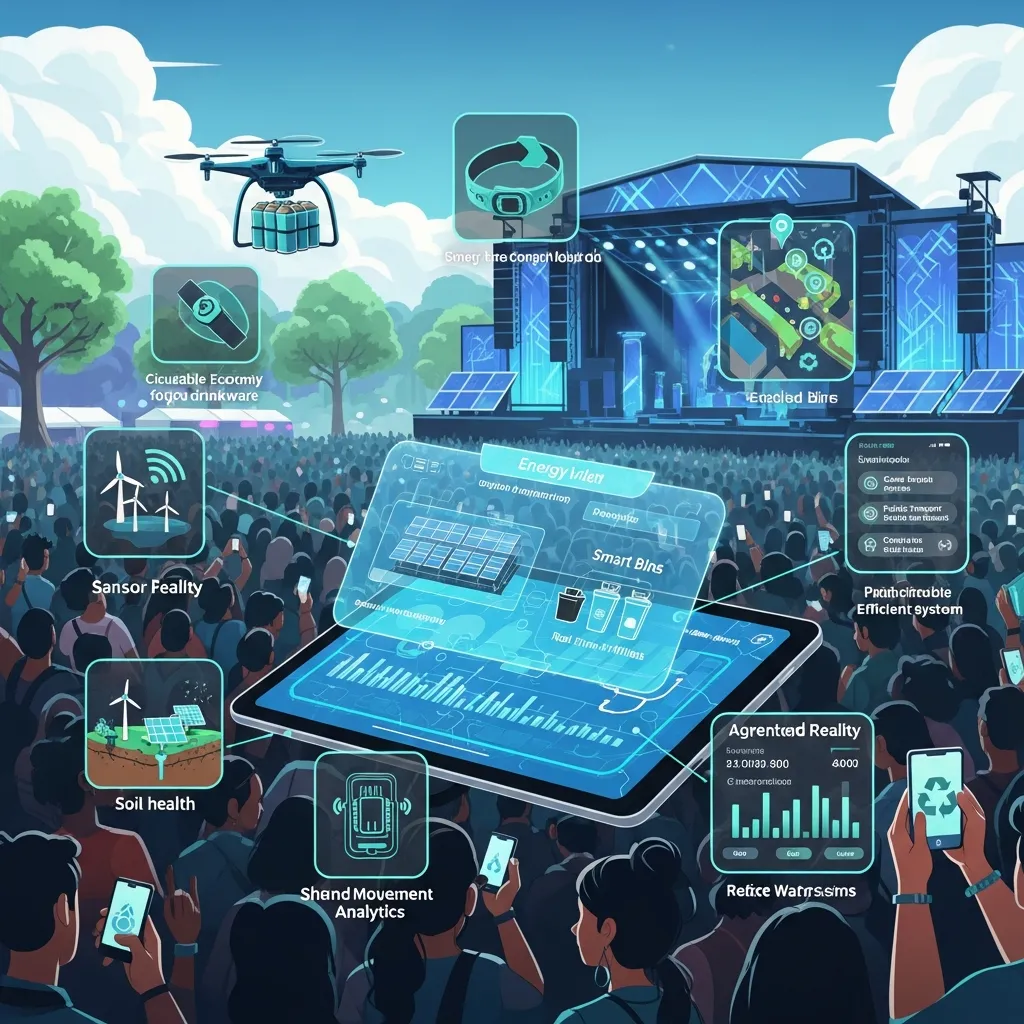
In the age of smartphones and wearable tech, digital solutions play a vital role in amplifying eco-friendly festivals’ impact. The following tools are changing how organizers and participants collaborate toward a more sustainable event.
Eco-Tracking and Carbon Calculators
Apps like Giki Zero and the United Nations’ Clima application enable attendees to estimate their festival carbon footprint in real time. By logging transportation modes, accommodation choices, and energy usage, you receive tailored tips to offset emissions and reach a net-zero goal by this year (2026).
Mobile Ticketing and Cashless Payments
Digital tickets reduce paper waste, while RFID wristbands enable cashless transactions that streamline vendor operations. Integrating payment data helps festivals forecast resource needs, minimizing over-ordering of materials and surplus food.
Interactive Maps and Networking Platforms
Festival apps often include interactive site maps that highlight recycling stations, water refill points, and featured workshops. In-app social features connect eco-enthusiasts, helping you organize carpools, swap gear, or form volunteer pods.
Virtual Reality and Augmented Reality Learning
Some events incorporate AR overlays to illustrate site-specific environmental data, such as real-time energy consumption or waste diversion rates. Universities like Stanford offer open-source AR frameworks to help festivals build immersive educational experiences that engage attendees of all ages.
Online Community Hubs and Post-Event Analytics
After the music fades, digital dashboards present sustainability metrics—total waste diverted, energy saved, water conserved—and invite feedback for future improvements. This transparent reporting holds organizers accountable and fosters continuous innovation.
By leveraging technology, eco-friendly festivals can magnify their green credentials, creating dynamic, data-driven experiences that inspire sustainable living long after the final encore.