
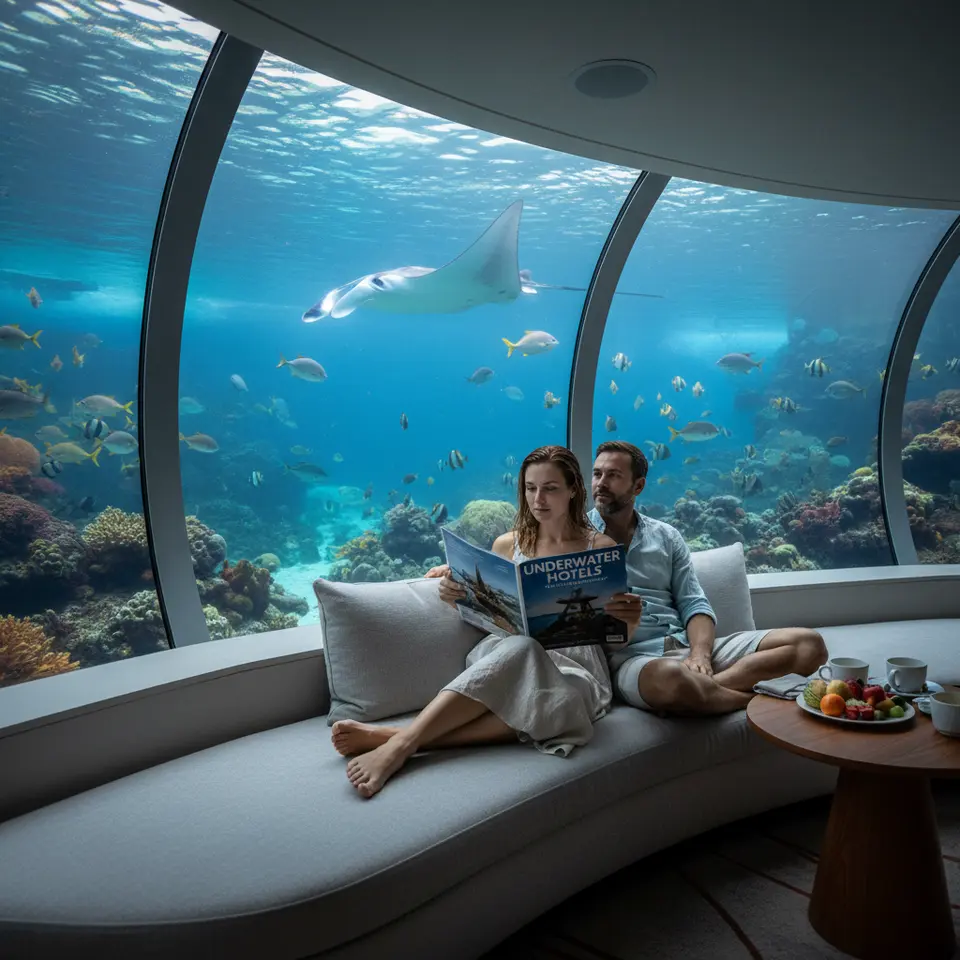
Underwater hotels stand among the most thrilling innovations in modern hospitality, merging luxury with unparalleled marine views. Today’s travelers no longer settle for generic routes; they seek immersive stays that redefine adventure and comfort. In this guide, we dive deep into the world of undersea accommodations, exploring why these venues captivate guests, what to consider before booking, and how to plan an eco-conscious voyage below the waves. By blending cutting-edge engineering with thoughtful design, underwater hotels offer a rare chance to witness aquatic life in its natural habitat from the safety and sophistication of a climate-controlled suite. Whether you dream of drifting off to sleep as tropical fish glide by or dining beneath a canopy of reef organisms, this article will equip you with everything needed to embark on a transformative marine immersion this year. We will also share essential packing tips, highlight sustainability practices, and point you toward expert resources from institutions like the National Oceanic and Atmospheric Administration and the Woods Hole Oceanographic Institution. Journey with us as we uncover top destinations, planning strategies, and insider advice to make your undersea holiday a seamless and unforgettable reality.
Underwater hotels appeal to honeymooners, scuba enthusiasts, and eco-conscious travelers alike. Each suite, lounge, or restaurant submerged beneath the surface transforms routine hospitality into a sensory spectacle. From floor-to-ceiling acrylic windows to ambient lighting that respects marine life, these retreats elevate expectations for luxury and adventure. As we explore the allure, logistics, and best practices for underwater stays, keep in mind that your decisions as a traveler have a direct impact on delicate ocean ecosystems. By selecting certified properties and following recommended guidelines, you can enjoy unparalleled views of coral reefs, tropical fish, and other aquatic wonders while supporting broader conservation efforts in today’s digital landscape.
The Allure of Subsea Accommodation
In today’s rapidly evolving travel industry, underwater hotels capture imaginations by offering a direct window into ocean life. Unlike traditional beachfront resorts, these unique properties immerse guests in vibrant marine environments, allowing novices and seasoned divers alike to observe reef formations and aquatic species without even stepping outside. The sensation of being surrounded by schools of colorful fish or glimpsing the silhouette of a passing manta ray transforms ordinary lodging into a captivating sensory experience. Architects and engineers collaborate to overcome significant technical challenges—pressure resistance, corrosion prevention, and transparent materials—to construct rooms that balance safety with panoramic undersea vistas.
As climate drives heightened awareness of ocean conservation, many underwater hotels incorporate sustainable features such as energy-efficient HVAC systems, low-impact foundations, and responsibly sourced construction materials. By choosing an undersea stay, travelers not only indulge in a serene aquatic spectacle but also support hoteliers who prioritize ecological harmony and marine research partnerships. Novel amenities like floor-to-ceiling acrylic walls, ambient lighting tailored to protect nocturnal species, and private balconies submerged in coral gardens redefine immersive design standards. Communal lounges, glass tunnels, and underwater restaurants foster shared moments of wonder, whether you seek romance, exploration, or a serene escape from daily routines. In 2026, these pioneering properties continue to push the boundaries of hospitality and conservation, inviting guests to become ambassadors for the ocean’s future.
Top Destinations for Underwater Hotels
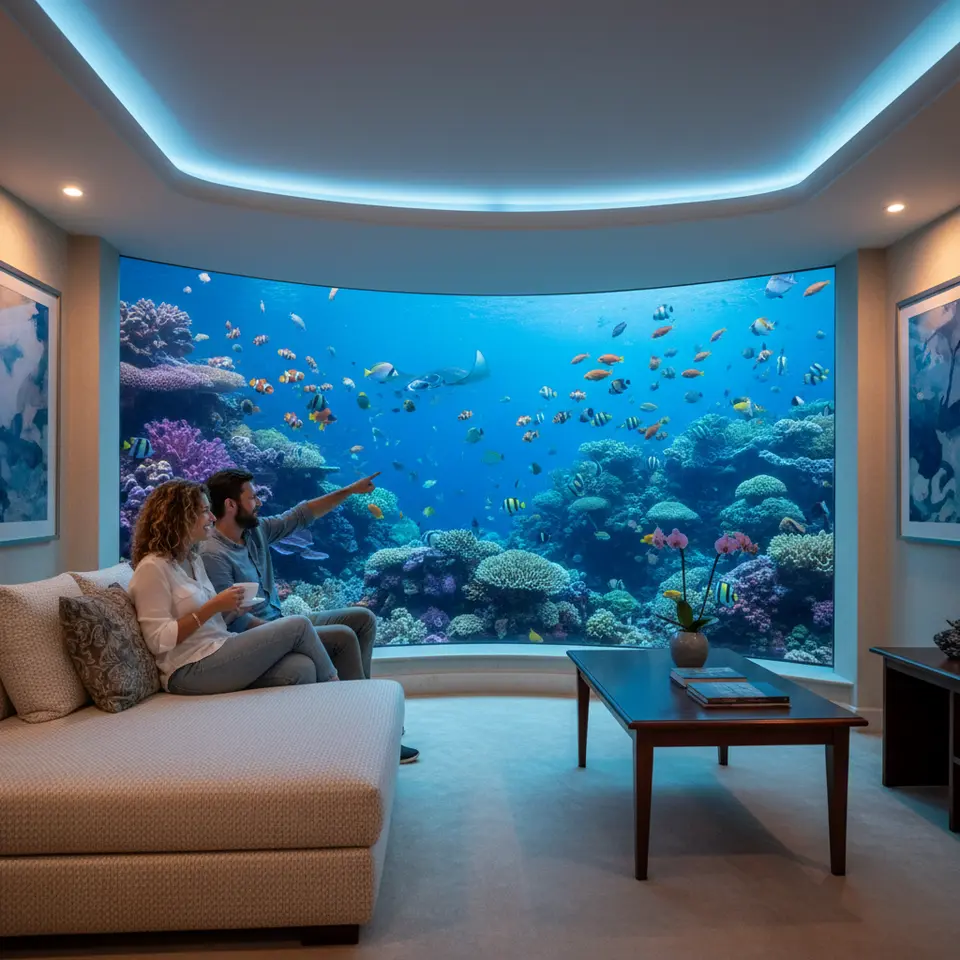
Around the globe, a select group of resorts invites you to explore aquatic realms from exceptional vantage points. Here are some of the most celebrated underwater hotels that combine innovation, comfort, and breathtaking sea views:
1. Conrad Maldives Rangali Island, Maldives
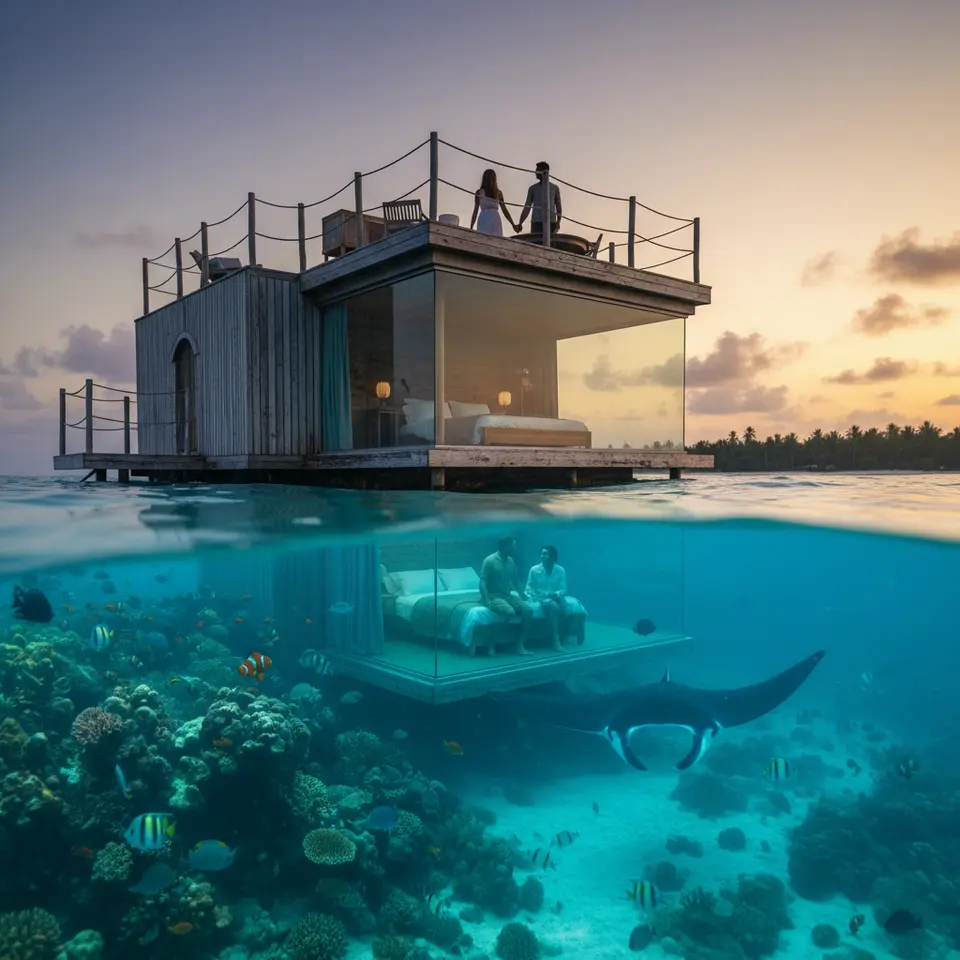
Home to “The Muraka,” the world’s first all-glass undersea residence, this resort offers a multi-level villa with a night-time submerged bedroom. Guests enjoy 180° views of reef sharks, mantas, and tropical fish in crystal-clear waters. Personalized services include a private butler, chef-prepared meals, and custom excursions. The property employs renewable energy systems and coral propagation programs in collaboration with marine biologists.
2. Atlantis The Palm, Dubai, UAE
Nestled within a 10-million-liter marine habitat, the Underwater Suite at Atlantis The Palm immerses visitors in a vibrant aquarium. Floor-to-ceiling windows reveal more than 65,000 aquatic animals. Lavish Arabic-inspired décor, terrace access, and direct tunneling to on-site exhibits make this a dream escape for families and luxury travelers. The resort supports regional conservation efforts through contributions to local marine parks.
3. Manta Resort, Pemba Island, Tanzania
Manta Resort’s signature Floatel drifts serenely by day and submerges its bedroom platform at night to provide an intimate undersea stay. Located off Pemba Island, this unique room rotates gently, offering panoramic views of diverse reef habitats. Above-water amenities include spa services, farm-to-table dining, and guided snorkeling tours. Sustainable waste management initiatives fund local community projects.
4. Jules’ Undersea Lodge, Florida Keys, USA
Reimagined from a 1960s research habitat, Jules’ Undersea Lodge requires scuba certification for entry via a submerged moon pool. At 21 feet below sea level, guests are immersed in marine research history while enjoying basic amenities like a kitchen, bathroom, and air conditioning. Collaboration with organizations such as the National Oceanic and Atmospheric Administration underscores its commitment to marine education.
5. Utter Inn, Västerås, Sweden
For budget-minded travelers, Utter Inn offers a whimsical floating house on Lake Mälaren with a small underwater bedroom accessible by ladder. Each stay includes breakfast and seasonal cultural activities. Though not in open ocean, its minimalist design and affordable access to subaquatic lodging provide a novel adventure.
Peak visits vary by location: the Maldives offers optimal visibility from November to April, while the Florida Keys have calm seas in late spring. In Dubai, milder months from October to April suit exterior activities. Pemba Island’s dry season between June and September is ideal for clear waters, and Sweden’s summer months (June–August) allow mild weather. Rates range from $500 per night at Utter Inn to over $100,000 for a multi-day stay at The Muraka, showcasing the diverse options for modern explorers.
Planning Your Underwater Getaway
Securing a spot at an underwater hotel begins with identifying the best windows for both marine activity and traveler convenience. Many resorts open reservations up to a year in advance, so explore booking calendars early. Consider shoulder-season travel to enjoy reduced rates, quieter venues, and favorable environmental conditions. Before committing, verify cancellation policies, especially for remote locations where weather can impact transfers.
Dive certification requirements differ among properties. Some facilities offer guided snorkel experiences without formal qualifications, while others like Jules’ Undersea Lodge mandate advanced open water certification. If you lack credentials, enroll in a reputable scuba school or complete refresher courses. Keep dive logs, medical clearances, and equipment checklists updated. Confirm whether your chosen resort provides gear rentals or if you must bring personal equipment such as masks, fins, and dive computers.
Logistics often involve multi-step travel: international flights, domestic connections, boat transfers, and sometimes seaplane hops. Plan buffer days to accommodate possible delays, and book group or private transfers through your hotel to ensure seamless arrival. Some remote properties include transfers in all-inclusive rates, reducing stress and potential extra costs.
Travel insurance is vital. Select a policy that covers dive activities, high-value accommodations, and emergency evacuations. Check that the plan addresses hyperbaric chamber access or specialized medical assistance in case of pressure-related incidents. Also ensure coverage includes trip cancellations due to extreme weather.
Review connectivity options at your destination. Although some underwater hotels promote full Wi-Fi coverage, remote marine environments may involve limited bandwidth or satellite connections. Download dive maps, e-books, and entertainment before departure. Consider purchasing a local SIM card to supplement wifi, or embrace a digital detox, allowing you to focus entirely on the underwater panorama.
Budget for ancillary expenses such as environmental levies, resort fees, and potential excursion costs like guided reef surveys. Many underwater hotels offer curated packages combining meals, spa treatments, and water sports. Compare package inclusions to a la carte options to determine the best value. By addressing these planning elements well in advance, you can minimize stress and maximize enjoyment once you submerge into this extraordinary world.
Sustainable Practices and Marine Conservation
As awareness of ocean fragility grows, underwater hotels increasingly integrate eco-friendly principles into their operations. Many properties work closely with marine biologists to implement on-site water treatment systems that prevent harmful effluents from reaching coral ecosystems. Materials like borosilicate glass and specialized alloys resist corrosion and minimize environmental footprint, while foundation designs avoid seabed scouring.
Some resorts collaborate with research institutions such as the Woods Hole Oceanographic Institution to monitor reef health and gather long-term ecological data. Guests can participate in guided snorkeling or diving excursions that double as citizen-science surveys, contributing observations on species diversity, coral bleaching stages, or water clarity. These interactive experiences promote environmental stewardship and raise public awareness about conservation challenges.
Renewable energy sources play a key role: solar panels on floating structures, tidal turbines, and energy storage systems supply power for lighting, climate control, and pumps. Property developers often seek certifications from recognized authorities—such as the Global Sustainable Tourism Council—to validate their conservation commitments and reassure eco-conscious travelers.
Environmental assessments conducted prior to construction ensure minimal disturbance to marine life. Sophisticated modeling predicts water flow and sediment displacement, allowing designers to adjust plans to protect sensitive habitats. Periodic structural inspections and maintenance schedules uphold safety standards and ecological integrity. Such rigorous protocols reflect a broader industry trend: in today’s digital landscape, customers demand transparency about environmental performance, making sustainability credentials a vital differentiator.
In addition, some underwater hotels invest in artificial reef programs, deploying reef modules to enhance biodiversity. These projects, often in partnership with government agencies like NOAA, help rehabilitate damaged coral zones and provide additional snorkeling and diving attractions. Visitors are encouraged to adopt eco-friendly habits during their stay: using reef-safe sunscreen, avoiding single-use plastics, and adhering to established marine park guidelines. By supporting accommodations that prioritize responsible design and conservation, travelers contribute to the long-term protection of fragile marine habitats for generations to come.
Enhancing Your Undersea Stay: Tips and Add-Ons
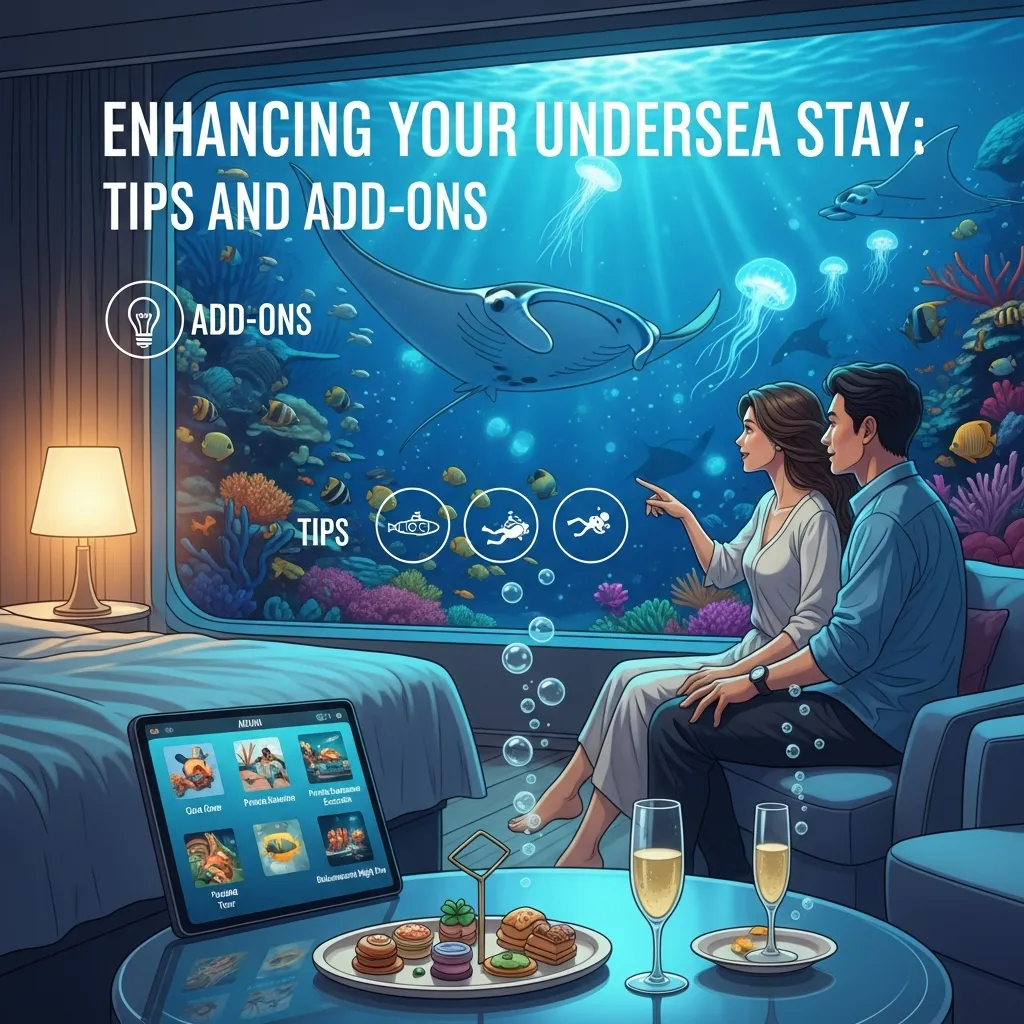
To fully maximize the magic of underwater hotels, consider these insider strategies:
Book Blue Hour Experiences
Reserve arrival or departure during early morning or late afternoon when ambient light filters through water at its most enchanting. Known as the “blue hour,” these brief windows offer unparalleled visibility and photographic opportunities at sunrise and sunset.
Choose Rooms Overlooking Active Reefs
When possible, select accommodations adjacent to vibrant coral gardens or feeding stations. Such placements increase your chances of witnessing regular aquatic traffic—parrotfish grazing, octopuses hunting crevices, and eagle rays gliding past.
Combine with Overwater and Terrestrial Excursions
Balance your diving days with complementary activities. Book island-hopping boat tours, guided rainforest hikes, or cultural village visits to explore local heritage.
Schedule Wellness Sessions
Many properties offer yoga on overwater platforms, sunrise meditation overlooking the horizon, and spa treatments using locally harvested sea salts and algae. These amenities enhance relaxation between dives.
Reserve Specialty Dining in Advance
Underwater restaurants and private seafront decks are in high demand. Plan meals early to secure window-side tables or exclusive chef’s menus, ensuring uninterrupted views of marine spectacles.
Pack Smart for Comfort and Ecology
Bring reef-safe sunscreen, a reusable water bottle, and quick-dry swimwear. For photographers, waterproof housing and red-filter lenses capture true colors beneath the waves. A small waterproof journal or digital voice recorder helps log sightings immediately.
Leverage Loyalty and Package Deals
Sign up for luxury hotel loyalty programs to earn points, upgrades, or complimentary excursions. Compare all-inclusive packages—which often bundle transfers, meals, and water sports—to à la carte rates to find the best value.
Stay Mindful of Budgeting Strategies
Opt for off-peak travel dates to access promotional rates. Consider emerging destinations offering undersea lodging at a fraction of the cost of high-profile resorts. Combining stays at multiple properties can diversify your experience while distributing costs evenly.
Prioritize marine science events by coordinating stays during citizen-science initiatives. Some hotels host annual reef-planting days where guests join experts to cultivate new corals. To find upcoming events, check the UNESCO World Heritage Centre or research institute bulletins. With these enhancements, your undersea escape becomes a holistic journey that nourishes body, mind, and spirit.
Conclusion
Your plunge into an underwater hotel stay promises a transformative voyage that broadens your perspective on marine ecosystems and the future of luxury travel. By embracing the unique allure of subaquatic suites, you place yourself at the intersection of cutting-edge design and environmental stewardship. Thoughtful planning—selecting ideal seasons, securing dive certifications, and carefully balancing budgets—ensures a seamless experience beneath the waves. Integrating sustainable practices and supporting properties that collaborate with research bodies like NOAA and WHOI further amplifies your positive impact on ocean conservation efforts. As you drift asleep surrounded by the gentle movements of reef inhabitants or dine beneath illuminated water columns, you become part of a narrative that champions innovation, biodiversity, and human curiosity.
Whether you seek a romantic retreat, an adrenaline-fueled diving expedition, or a serene escape from daily routines, underwater hotels offer unparalleled immersion in the world below the surface. Carry forward the lessons learned during your stay—commit to reef-safe habits, share your experiences with fellow ocean advocates, and choose accommodations that respect marine life. In doing so, you contribute to a sustainable future where extraordinary travel encounters coexist harmoniously with thriving underwater realms. In today’s digital landscape, documenting and sharing your undersea experience can inspire others to pursue eco-friendly explorations and foster global appreciation for ocean conservation.
1. What are underwater hotels?
Underwater hotels are luxury accommodations built partially or fully beneath the ocean surface, offering guests direct views of marine life through glass walls while staying in a safe, climate-controlled environment.
2. Where are the most famous underwater hotels located?
Popular underwater hotels can be found in destinations like the Maldives, Dubai, Tanzania, Sweden, and the Florida Keys, each offering unique marine environments and experiences.
3. Are underwater hotels safe to stay in?
Yes, underwater hotels are designed with advanced engineering, pressure-resistant materials, and strict safety systems to ensure guest security at all times.
4. What can you see from underwater hotels?
Guests can observe coral reefs, tropical fish, manta rays, sharks, and other marine life directly from their rooms or underwater suites.
5. Do you need scuba certification for underwater hotels?
Not always. Many underwater hotels allow guests without scuba experience, though some specialized stays may require diving certification for access.
6. How much do underwater hotels cost?
Prices vary widely—from a few hundred dollars per night to tens of thousands for luxury suites like the Muraka in the Maldives.
7. Are underwater hotels environmentally friendly?
Many modern underwater hotels follow eco-friendly practices such as renewable energy use, coral conservation programs, and waste management systems to protect marine ecosystems.
8. What is the best time to visit underwater hotels?
The best time depends on location, but generally dry seasons or calm ocean periods provide the clearest underwater visibility and safest conditions.
9. What should I pack for an underwater hotel stay?
Pack reef-safe sunscreen, swimwear, travel essentials, waterproof gear, and any diving equipment if required by the hotel.
10. What makes underwater hotels special compared to regular resorts?
Underwater hotels offer a rare immersive experience where guests can sleep, dine, and relax surrounded by marine life, making them one of the most unique forms of luxury travel.