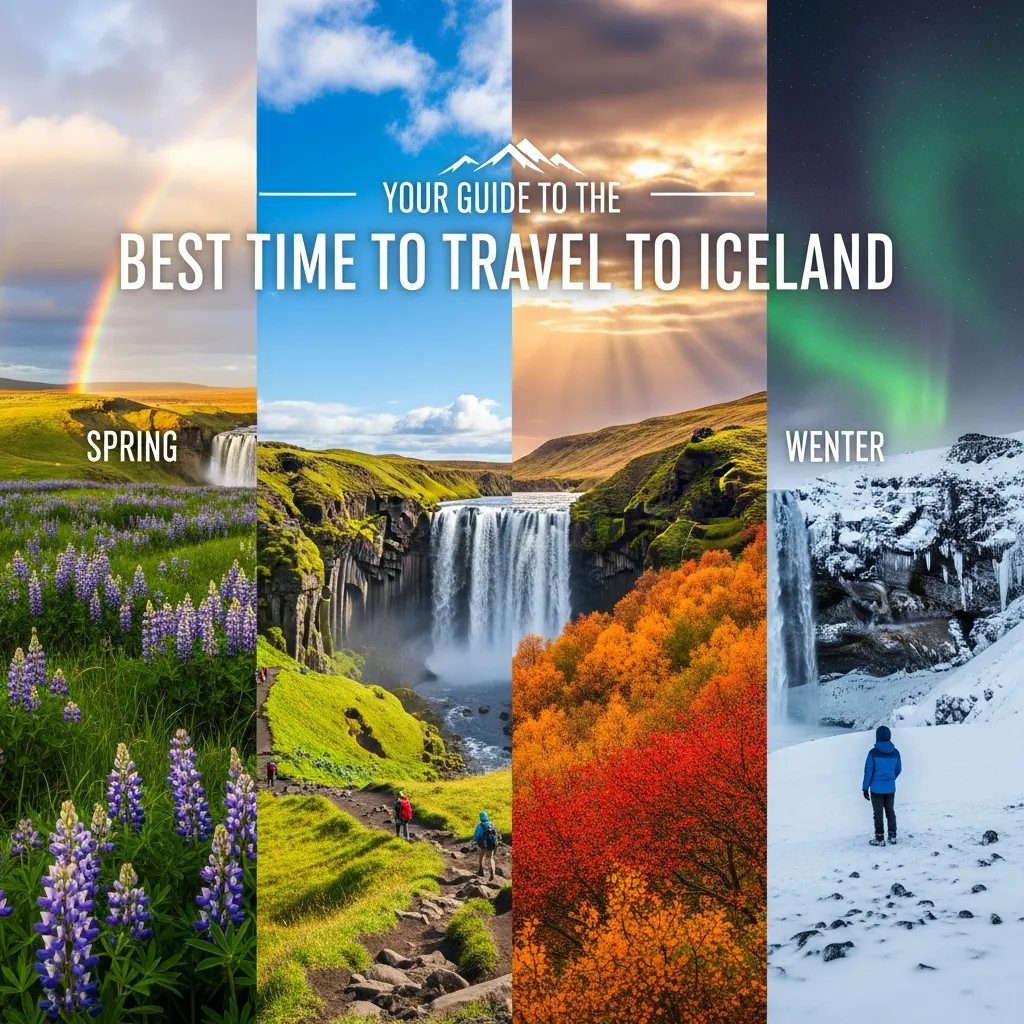
Iceland is a country defined by dramatic contrasts. Fire and ice, endless summer daylight, and deep winter darkness all share the same rugged landscape. Because the environment changes so drastically throughout the year, figuring out the best time to travel to Iceland depends entirely on what you want to experience.
Navigating Iceland’s seasons requires understanding how the weather and daylight hours will impact your itinerary. A trip in July looks completely different from a trip in December. You might be chasing the elusive Northern Lights, hoping to spot puffins along the coastal cliffs, or planning a multi-day hike through the highlands. Each of these goals requires a different approach to your travel calendar.
This comprehensive guide serves as a short summary of the seasonal variations, top activities, and practical considerations for your trip. We will break down exactly when to go based on your budget, your tolerance for crowds, and your personal bucket list, helping you determine the absolute best time to travel to Iceland for your specific needs.
Understanding Iceland’s Seasons
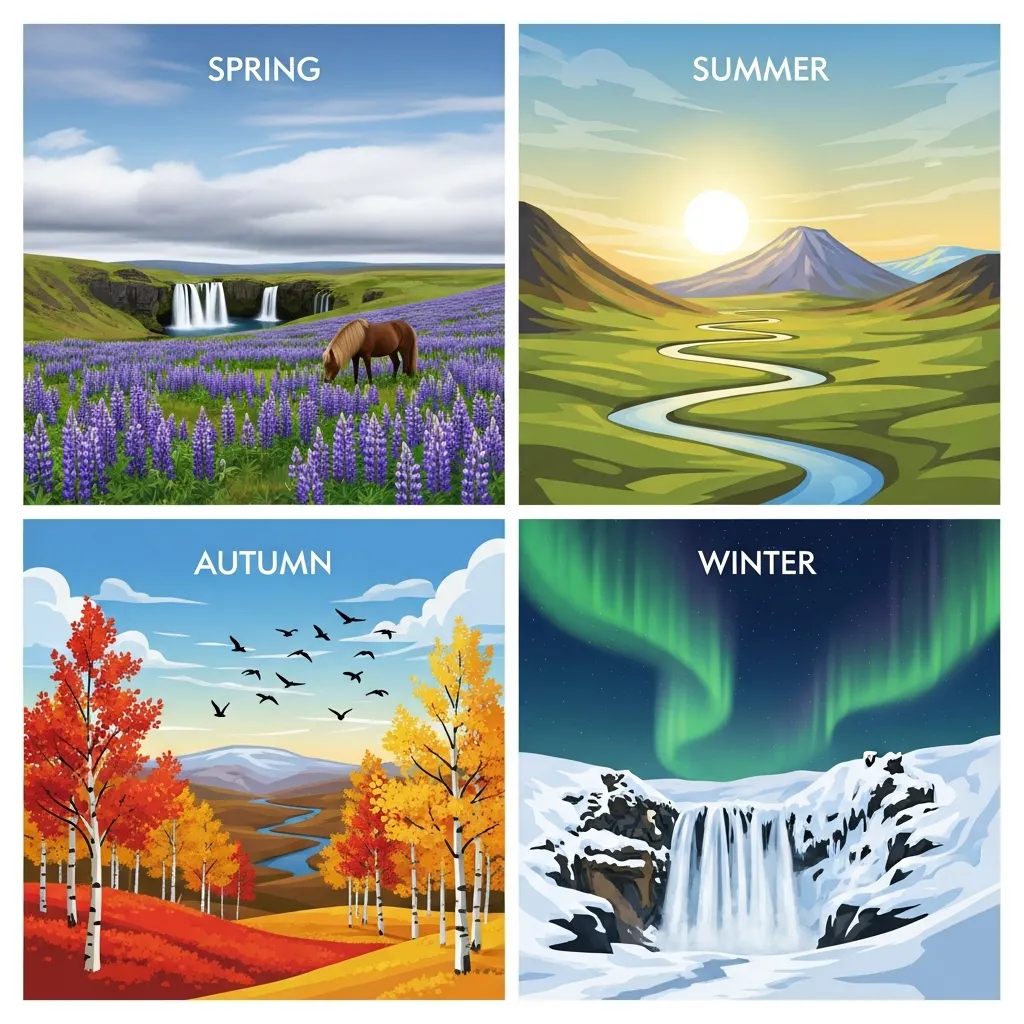
To decide on the best time to travel to Iceland, you first need to understand how the four seasons shape the environment. Each offers a unique perspective on the country’s natural beauty.
Summer (June-August)
Summer brings the famous Midnight Sun, where daylight stretches on for nearly 24 hours. This extended daylight allows you to pack more into your itinerary without worrying about driving in the dark.
Pros: The warmer weather melts the snow, providing full accessibility to the remote Highlands. This is the prime season for hiking and spotting puffins.
Cons: Because the weather is at its most cooperative, summer is peak tourist season. You will encounter larger crowds at major attractions and higher prices for accommodation and rental vehicles.
Autumn (September-October)
As the intense summer days fade, autumn introduces a beautiful array of fall colors across the tundra.
Pros: The return of dark nights makes autumn an excellent time to hunt for the Northern Lights without enduring the freezing temperatures of mid-winter. You also benefit from shoulder season pricing and fewer crowds.
Cons: The weather becomes highly unpredictable. Rain and heavy winds are common, and the daylight hours begin to shrink rapidly as October approaches.
Winter (November-March)
Winter transforms the country into a frozen wonderland. For travelers seeking a true Arctic experience, this can easily be the best time to travel to Iceland.
Pros: Long, dark nights provide the optimal canvas for the Northern Lights. You can explore stunning natural ice caves, enjoy snowy landscapes, and participate in winter sports like glacier hiking and snowmobiling.
Cons: Daylight is extremely short, sometimes lasting only four to five hours. The cold weather requires heavy winter gear, and road closures are frequent due to heavy snow and ice, limiting your ability to explore certain regions.
Spring (April-May)
Spring is a season of transition. The snow begins to melt, and the countryside slowly wakes up from the long winter.
Pros: Wildlife begins to emerge, and the landscape turns green again. You can enjoy fewer crowds than in summer and witness beautiful spring blossoms. It is a peaceful time to explore the Ring Road.
Cons: The weather remains fickle. You might experience sunshine, rain, and snow all in the same afternoon. Some inland roads and attractions remain closed until early summer.
Activities and Best Times
Aligning your trip with your must-do activities is the easiest way to figure out the best time to travel to Iceland.
Northern Lights: Autumn & Winter (September-March)
You need dark, clear skies to see the aurora borealis. The long nights from late September through March provide the perfect conditions. While sightings are never guaranteed, planning your trip during the winter months maximizes your chances of witnessing this natural phenomenon.
Hiking & Outdoor Adventures: Summer (June-August)
If you want to hike the famous Laugavegur trail or explore the rugged interior Highlands, summer is the only viable option. The F-roads (mountain roads) open in late June and close again in September. The mild weather makes outdoor exploration much safer and more enjoyable.
Whale Watching: Spring & Summer (April-September)
While some whale species stay in Icelandic waters year-round, the peak season for whale watching runs from April through September. During this window, migratory baleen whales, including minke and humpback whales, arrive to feed in the nutrient-rich waters.
Ice Caves & Glaciers: Winter (November-March)
Natural crystal ice caves form beneath the glaciers during the summer melt and freeze solid in the winter. Guided tours into these spectacular blue caves are only safe and available from November through March.
Hot Springs & Geothermal Pools: Year-round
Taking a dip in a geothermal pool is a quintessential Icelandic experience regardless of the month. Soaking in the warm, mineral-rich waters of the Blue Lagoon or Sky Lagoon is just as magical during a winter snowstorm as it is under the summer Midnight Sun.
Cost and Crowds: Balancing Your Budget and Experience

Your budget will play a massive role in deciding the best time to travel to Iceland.
Peak Season (Summer)
Summer brings the highest prices for flights, hotels, and tours. You will need to book months in advance to secure your preferred options. The trade-off for these higher costs is the best weather and the longest days, but you will share the experience with thousands of other visitors.
Shoulder Seasons (Spring & Autumn)
Many travelers consider the shoulder seasons to be the sweet spot. You will enjoy moderate prices and a noticeable drop in crowd sizes. The weather is still manageable, and you get a taste of both summer and winter characteristics depending on the exact month you visit.
Off-Peak Season (Winter)
Winter offers the lowest prices and the fewest crowds, making it an attractive option for budget-conscious travelers. The main exceptions are the weeks surrounding Christmas and New Year’s Eve, which see a brief spike in tourism and costs.
Special Considerations
Beyond weather and costs, a few specific factors might influence your travel dates.
Festivals and Events
Iceland hosts several unique festivals. The Iceland Airwaves music festival takes place in November, drawing artists from around the world. In early June, the country celebrates Seafarer’s Day. Aligning your trip with a local event can add a memorable cultural layer to your vacation.
Driving in Iceland
Navigating Icelandic roads requires preparation. In summer, driving the Ring Road is straightforward. In winter, you must be comfortable driving in whiteout conditions, dealing with black ice, and navigating strong winds. Always check local road conditions daily before setting out.
Packing for Icelandic Weather
Layering is essential. No matter when you visit, pack a waterproof outer layer, a windproof jacket, sturdy hiking boots, and warm base layers. The wind in Iceland can make moderate temperatures feel freezing, so wind protection is critical.
Comparison With Other Destinations
Understanding the general principles behind the Best Time to Travel anywhere can help you finalize your plans. You want to weigh weather, costs, and local events.
For example, looking at the Best Time to Travel to Japan highlights how different geography dictates travel strategy. In Japan, spring (cherry blossoms) and autumn (fall foliage) are the undisputed peak seasons, drawing massive crowds. Summer is notoriously hot and humid. Iceland is the opposite; summer is the peak season due to the accessible weather, while the shoulder seasons offer the relief from crowds. Recognizing these global travel patterns helps you manage your expectations and budget accordingly.
Maximizing Your Travel with Airline Loyalty Programs
Flights to Reykjavik can eat up a significant portion of your budget. Utilizing Airline Loyalty Programs is a smart way to offset these costs. Many major carriers and their alliance partners offer routes to Keflavik International Airport. Accumulating points through credit card sign-up bonuses or everyday spending can help you score free or heavily discounted flights. If you plan to visit during the expensive summer peak, booking award flights early through your loyalty program can save you hundreds of dollars.
Plan Your Icelandic Adventure
Choosing the right season ensures your trip matches your expectations. Determining the best time to travel to Iceland comes down to prioritizing what you want to see, how much you want to spend, and what kind of weather you are prepared to handle. The country offers immense year-round appeal, meaning there is truly no wrong time to visit.
Review your travel goals, map out your must-see attractions, and start booking your flights and accommodations. The stunning waterfalls, vast glaciers, and volcanic landscapes of Iceland are waiting to be explored.