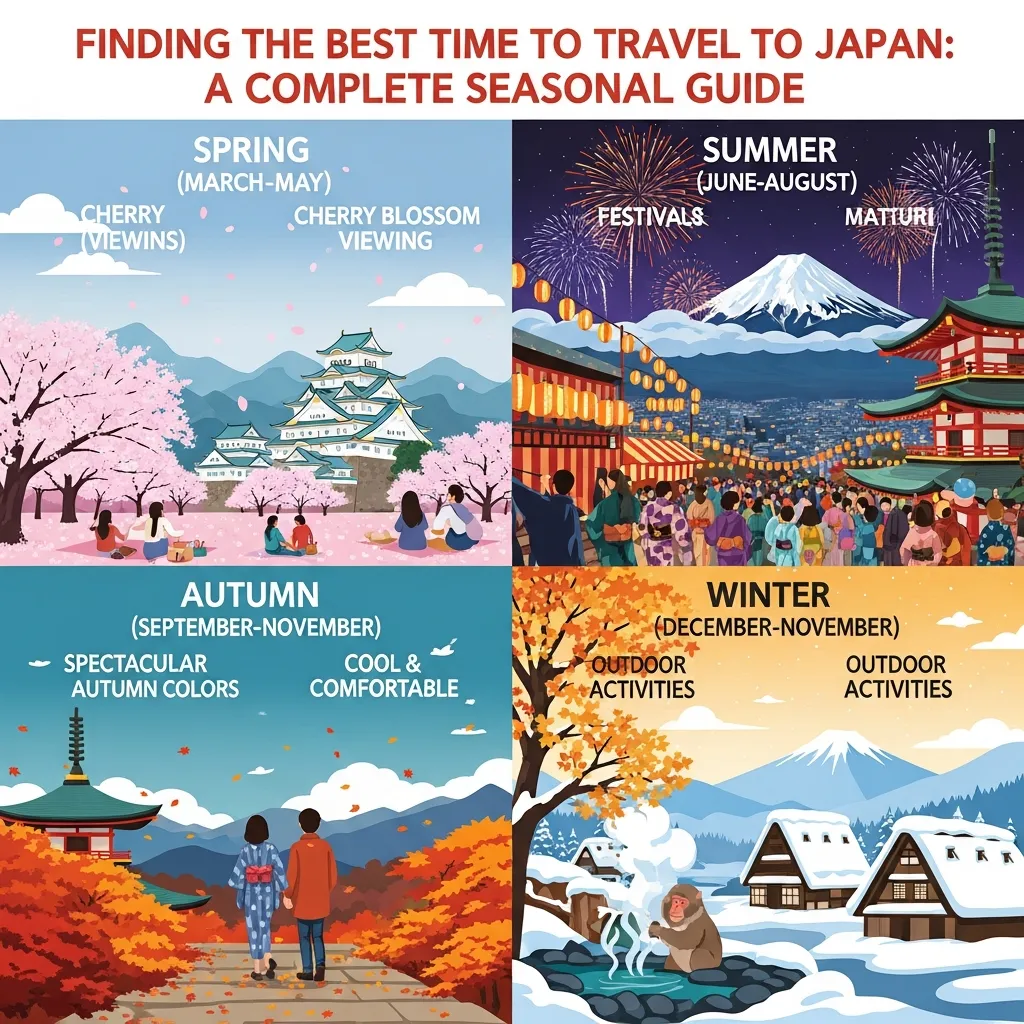
Determining the best time to travel to Japan depends on what you want to experience. Spring offers iconic cherry blossoms and mild weather, making it a popular choice. Autumn provides stunning red foliage and comfortable temperatures. Summer brings lively festivals and lush green landscapes, though it can be quite humid. Winter is ideal for snow sports, soothing hot springs, and fewer crowds. Ultimately, the best time to travel to Japan varies based on your budget, tolerance for crowds, and personal interests. We will also briefly look at how this compares to the best time to travel to Ireland for those planning multiple global adventures.
Japan is a top travel destination that seamlessly blends ancient traditions with futuristic technology. You can walk through centuries-old temples in the morning and ride a bullet train through a neon-lit metropolis by the afternoon. This unique contrast draws millions of visitors every year.
However, Japan experiences four highly distinct seasons. Each season dramatically changes the landscape, the local food, and the cultural activities available. Because of these intense seasonal variations, deciding on the best time to travel to Japan is the most important step in your trip planning.
Some travelers want to see hillsides covered in pink flowers. Others want to ski down world-class snowy mountains. By understanding what each season offers, you can easily figure out the best time to travel to Japan for your specific dream vacation.
Spring (March – May): Cherry Blossoms and Mild Weather
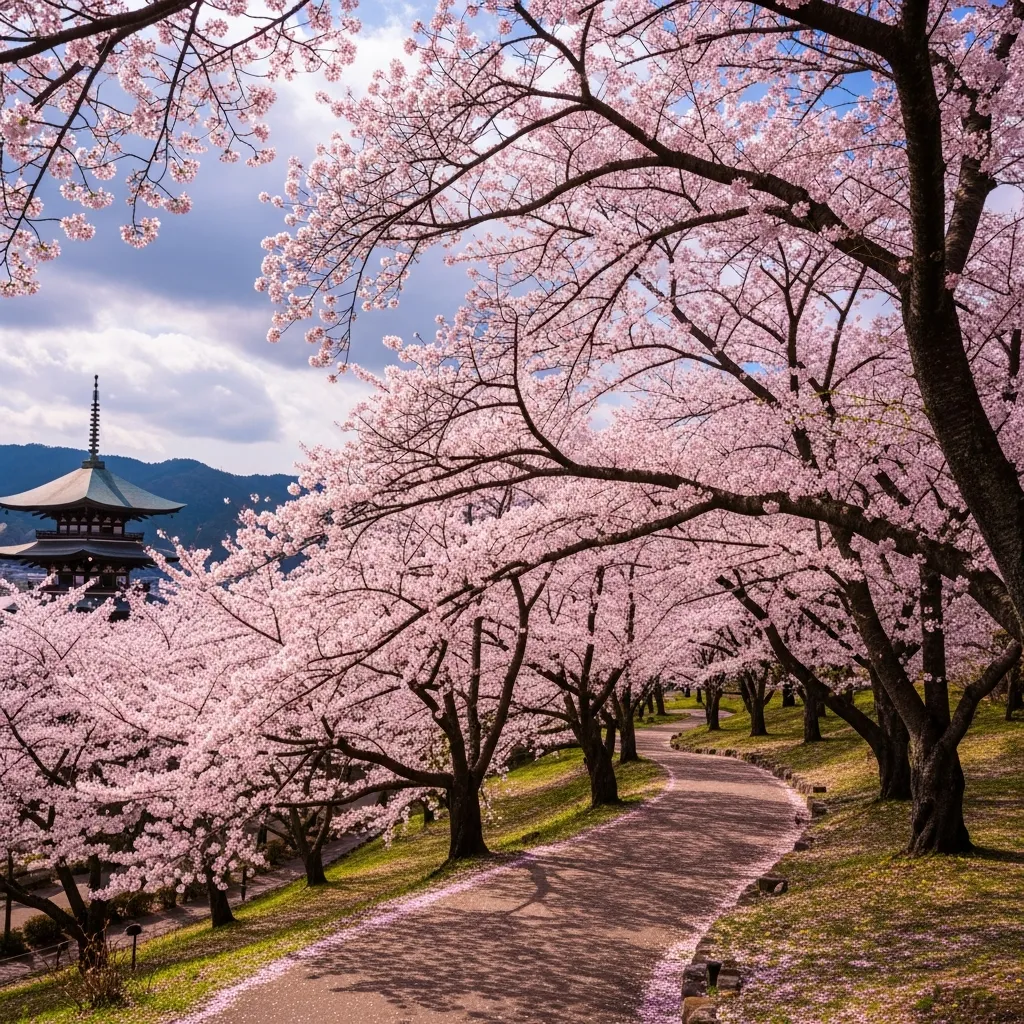
For many visitors, spring is undeniably the best time to travel to Japan. The country comes alive with blooming flowers, and the weather is generally mild and pleasant.
Chasing the Cherry Blossoms
The primary draw of spring is the cherry blossom, or sakura, season. Starting in late March and moving northward through April, these delicate pink flowers blanket the country. Locals and tourists alike participate in hanami (flower viewing) parties in parks. If your goal is to sit under blooming sakura trees, spring is the absolute best time to travel to Japan.
Key Attractions and Activities
Beyond hanami, spring is packed with vibrant events. The Takayama Spring Festival in April showcases beautifully decorated floats. The mild weather also makes this an excellent time for walking tours in cities like Kyoto and Tokyo.
Pros and Cons of Spring Travel
The biggest advantage of spring is the comfortable climate, requiring only light jackets. However, because this is widely considered the best time to travel to Japan, it comes with downsides. You will face massive crowds at major tourist sites.
Accommodation and Crowds
Hotels book up months in advance during cherry blossom season. Prices for flights and accommodations peak during this time. The “Golden Week” holiday in late April to early May brings intense domestic travel, meaning trains and hotels will be fully booked.
Summer (June – August): Festivals, Beaches, and Green Landscapes
Summer in Japan is vibrant, loud, and full of life. While the weather gets hot, it offers unique cultural experiences you cannot find during the rest of the year.
Weather and Humidity Considerations
You must be prepared for the heat. June usually brings the rainy season (tsuyu), making travel slightly inconvenient. By July and August, the temperature and humidity skyrocket. You will sweat, so packing breathable clothing is a must.
Major Summer Festivals
If you love lively cultural events, summer might be your best time to travel to Japan. The country erupts in matsuri (festivals). The Gion Matsuri in Kyoto spans the entire month of July, featuring massive parades. The Tanabata (Star Festival) brings colorful decorations to city streets. August is famous for spectacular fireworks displays (hanabi) over rivers and bays.
Exploring Beaches and Outdoor Activities
Summer is the only time you can hike to the summit of Mount Fuji without specialized winter gear. It is also the perfect season to visit Okinawa and the southern islands for snorkeling, diving, and relaxing on pristine beaches.
Tips for Staying Cool
To beat the heat, carry a small towel to wipe away sweat, a common practice in Japan. Drink plenty of cold green tea or sports drinks from the ubiquitous vending machines. Take breaks inside air-conditioned museums or shopping malls during the hottest parts of the afternoon.
Autumn (September – November): Vibrant Foliage and Comfortable Temperatures
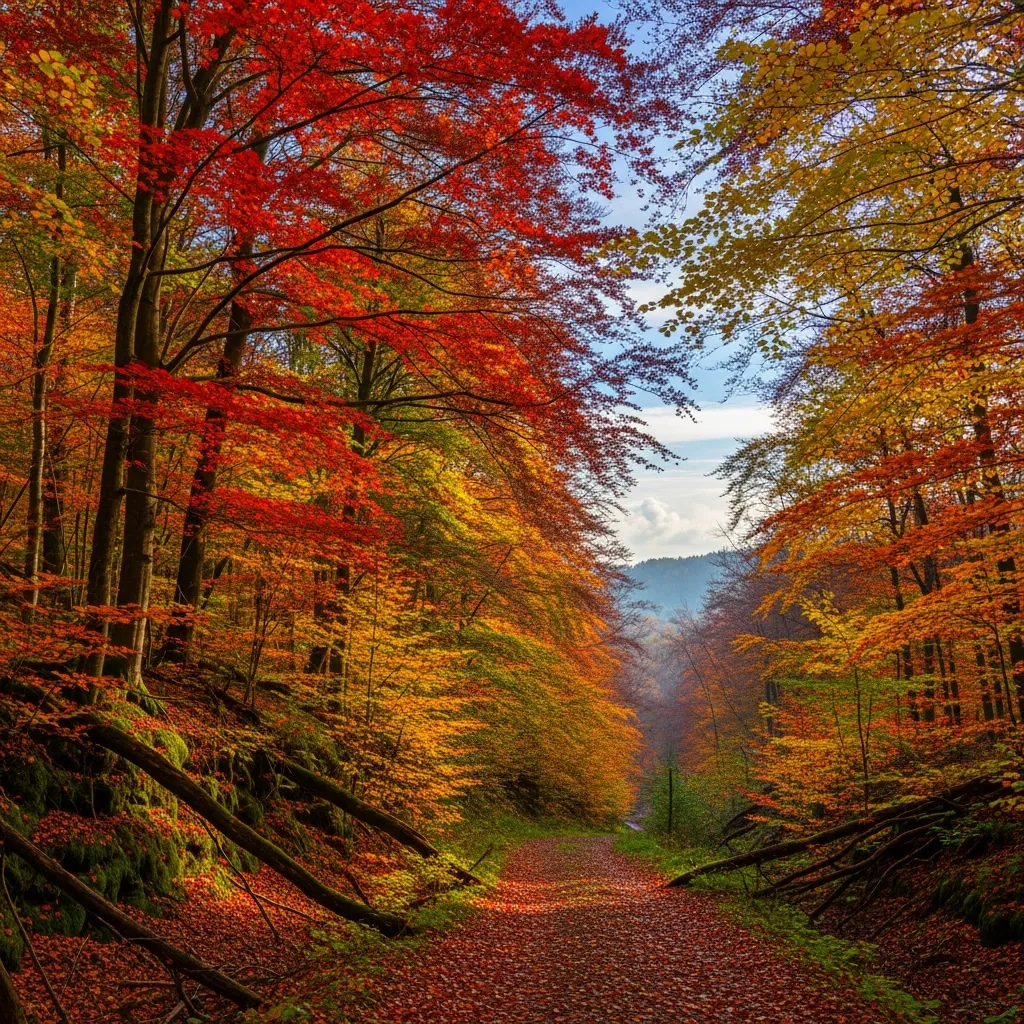
Many seasoned travelers argue that autumn is actually the best time to travel to Japan. The stifling summer heat fades, replaced by crisp air and clear skies.
The Magic of Autumn Leaves
Just as spring brings cherry blossoms, autumn brings koyo (colorful foliage). The maple trees turn brilliant shades of red, orange, and gold. If you are a photographer, autumn is the best time to travel to Japan to capture stunning landscapes.
Iconic Spots for Koyo
Kyoto is world-famous for its autumn colors. Temples like Kiyomizu-dera and Eikando are surrounded by fiery red trees. Nikko, a few hours north of Tokyo, offers breathtaking mountainous landscapes covered in autumn hues.
Cultural Events and Culinary Delights
Autumn is known as the season of eating in Japan. You can enjoy seasonal delicacies like sweet potatoes, pacific saury fish, and freshly harvested rice. There are also many moon-viewing festivals and cultural exhibitions held in temple gardens.
Advantages of Autumn Travel
The weather in October and November is highly predictable and dry. You get the visual beauty of spring without the intense allergy-inducing pollen. While it is a popular time to visit, it is generally slightly less crowded than the peak cherry blossom weeks.
Winter (December – February): Snow, Hot Springs, and Winter Sports
Winter transforms Japan into a quiet, beautiful wonderland. If you want to avoid crowds and save money, this could be your best time to travel to Japan.
Ski Resorts and Winter Sports
Japan receives some of the best powder snow in the world. Areas like Hokkaido (Niseko) and Nagano are legendary among skiers and snowboarders. For winter sports enthusiasts, January and February are the best time to travel to Japan.
Onsen (Hot Springs) Experience
There is nothing quite like sitting in an outdoor natural hot spring (rotenburo) while snow gently falls around you. Winter is the perfect season to stay in a traditional ryokan (inn) and soak in geothermal waters to warm up.
Illuminations and Winter Festivals
Japanese cities light up with massive winter illumination displays from December to February. In February, the Sapporo Snow Festival draws millions to see gigantic, intricate ice and snow sculptures.
Cultural Insights
Winter is a quiet time for many temples and shrines. Visiting a snow-covered temple in Kyoto provides a serene, peaceful atmosphere that you simply cannot experience during the busy spring and autumn months.
Factors to Consider When Choosing Your Best Time to Travel to Japan
Your perfect itinerary requires careful planning. Here are the main factors to keep in mind.
Budget and Peak Seasons
If you are on a strict budget, avoid spring and autumn. The absolute best time to travel to Japan for cheap flights and discounted hotel rates is during the winter (excluding the New Year holiday) or the rainy weeks of June.
Personal Interests
Align your travel dates with your hobbies. If you love hiking, late summer and early autumn are ideal. If you want to experience traditional street food at lively night festivals, summer is your season.
Avoiding Crowds
To experience popular spots like the Arashiyama Bamboo Grove or the Fushimi Inari Shrine without fighting through a sea of people, visit during the winter months.
Booking Strategies
If you decide the best time to travel to Japan for you is during spring or autumn, you must book early. Reserve your accommodations and flights at least six months in advance to secure good rates and locations.
Comparing Travel Seasons: Quick Guide
- Spring: Perfect weather, beautiful flowers. High prices, huge crowds.
- Summer: Festive atmosphere, great for beaches. Very hot, humid, and rainy in June.
- Autumn: Gorgeous red leaves, comfortable climate. Busy at major temples.
- Winter: World-class skiing, quiet hot springs. Cold weather, shorter daylight hours.
How it Compares: The Best Time to Travel to Ireland
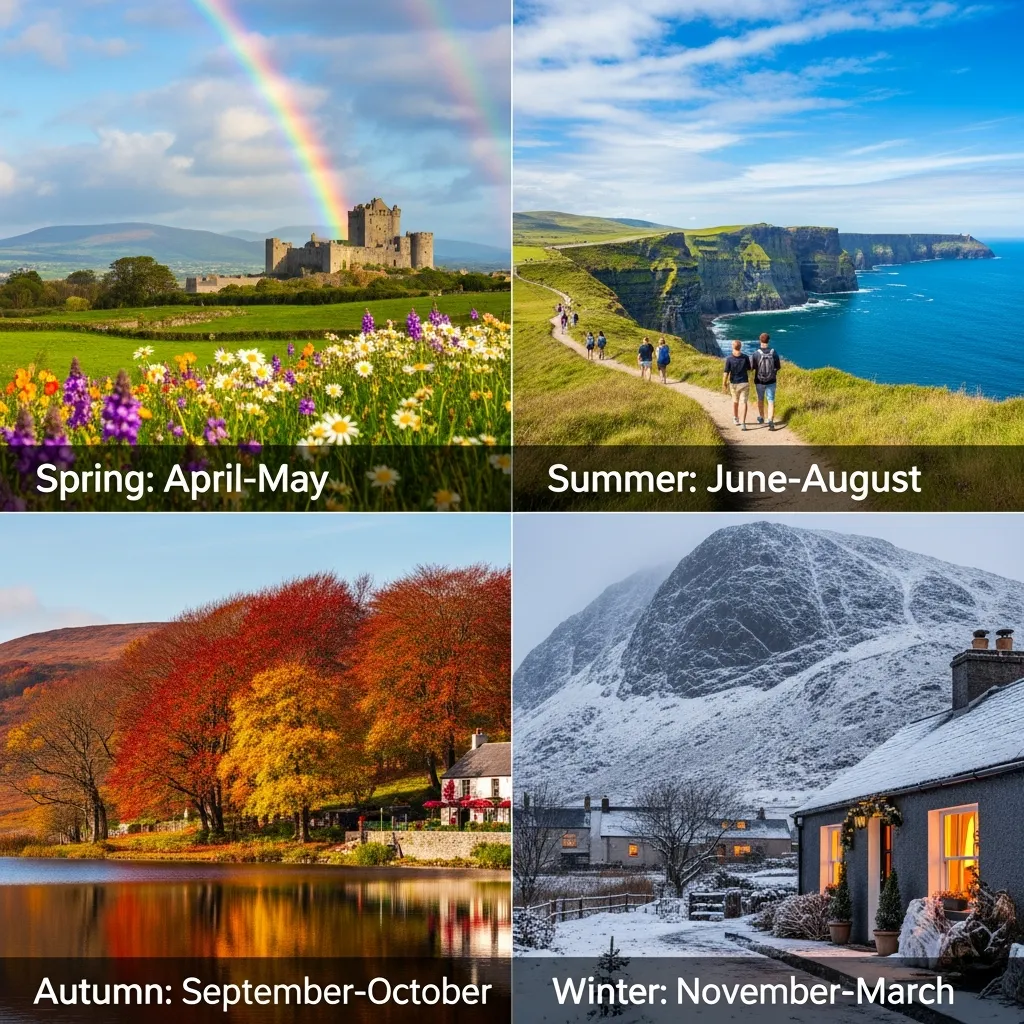
If you are planning multiple international trips, you might wonder how Japan’s seasons compare to other island nations. For example, the best time to travel to Ireland is generally during the summer months (June to August). Unlike Japan, which gets sweltering and humid, Ireland enjoys its mildest and driest weather during summer. While summer might not be the best time to travel to Japan due to the intense heat, it is the peak season for enjoying Ireland’s lush green landscapes and outdoor music festivals without freezing.
Conversely, winter in Japan offers brilliant skiing, whereas winter in Ireland is mostly dark, wet, and windy, with many rural attractions closed down. Comparing the two, your ideal travel window shifts entirely based on your geographic destination.
Your Perfect Japanese Adventure Awaits
Figuring out the best time to travel to Japan ultimately comes down to your personal travel style. Whether you want to reflect under a canopy of pink blossoms, dance at a summer street festival, photograph brilliant red maple leaves, or carve through fresh mountain powder, Japan has a season perfectly tailored to your desires.
Take time to prioritize what matters most to you—be it budget, weather, or specific cultural events. Once you decide on the best time to travel to Japan for your unique needs, you can start booking flights and preparing for the adventure of a lifetime.
Frequently Asked Questions (FAQs)
1. What is the absolute best time to travel to Japan for a first-time visitor?
For a first-time visitor, spring (April) or autumn (October to November) are generally recommended. The weather is comfortable, making it easy to walk around major cities, and the scenery is incredibly iconic.
2. When is the cheapest time to travel to Japan?
The cheapest time to visit is during the winter months of mid-January through February (excluding the ski resort areas in Hokkaido). June can also be quite affordable due to the rainy season.
3. How long should I plan my trip for if I want to see a lot?
A minimum of two weeks is highly recommended. This gives you enough time to explore Tokyo, take the bullet train to Kyoto and Osaka, and perhaps take a day trip to Hiroshima or Nara without feeling terribly rushed.
4. Is it crowded in Japan during cherry blossom season?
Yes, extremely crowded. It is the most popular time for both international tourists and domestic travelers. Expect busy trains, packed parks, and long lines at popular restaurants.
5. What should I pack for a trip to Japan in the summer?
Pack lightweight, breathable fabrics like linen or moisture-wicking materials. Bring comfortable walking shoes, a high-quality deodorant, sunscreen, and an umbrella, as summer brings both intense sun and sudden rain showers.
6. Are there any times to avoid traveling to Japan?
Many travelers try to avoid “Golden Week” (late April to early May) and the Obon festival (mid-August). During these times, Japanese residents travel heavily, causing domestic transportation to be overcrowded and hotel prices to surge.
7. What is the best time to travel to Japan for hiking?
Late summer (July and August) is the only time Mount Fuji is officially open for climbing. For lower-elevation hikes, such as the Nakasendo trail or Kumano Kodo, autumn (October and November) provides the most comfortable weather and beautiful scenery.
8. How does the best time to visit Japan compare to the best time to travel to Ireland in terms of weather?
The best time to travel to Ireland is usually summer for the mildest weather, while Japan’s summer is extremely hot and humid. Japan’s best weather occurs in spring and autumn, which tend to be rainier and chillier in Ireland.
9. Can I see snow in Japan? When and where?
Yes, Japan gets heavy snowfall. The best time to see snow is January and February. Head to the northern island of Hokkaido, the Japanese Alps in Nagano, or the historic village of Shirakawa-go for the best snowy landscapes.
10. Is English widely spoken in Japan, especially for tourists?
English is widely understood at major train stations, airports, and large hotels in cities like Tokyo and Kyoto. However, English proficiency is lower in rural areas. Downloading a translation app is highly recommended.
11. What are some unique cultural experiences available in each season?
Spring offers hanami (flower viewing) picnics. Summer features wearing traditional cotton kimonos (yukata) at firework festivals. Autumn includes moon-viewing parties and harvesting events. Winter offers snow festivals and soaking in outdoor hot springs.
12. How far in advance should I book my trip to Japan?
If you plan to visit during the peak seasons of spring or autumn, book flights and accommodations at least 6 to 8 months in advance. For winter or summer trips, 3 to 5 months in advance is usually sufficient.