
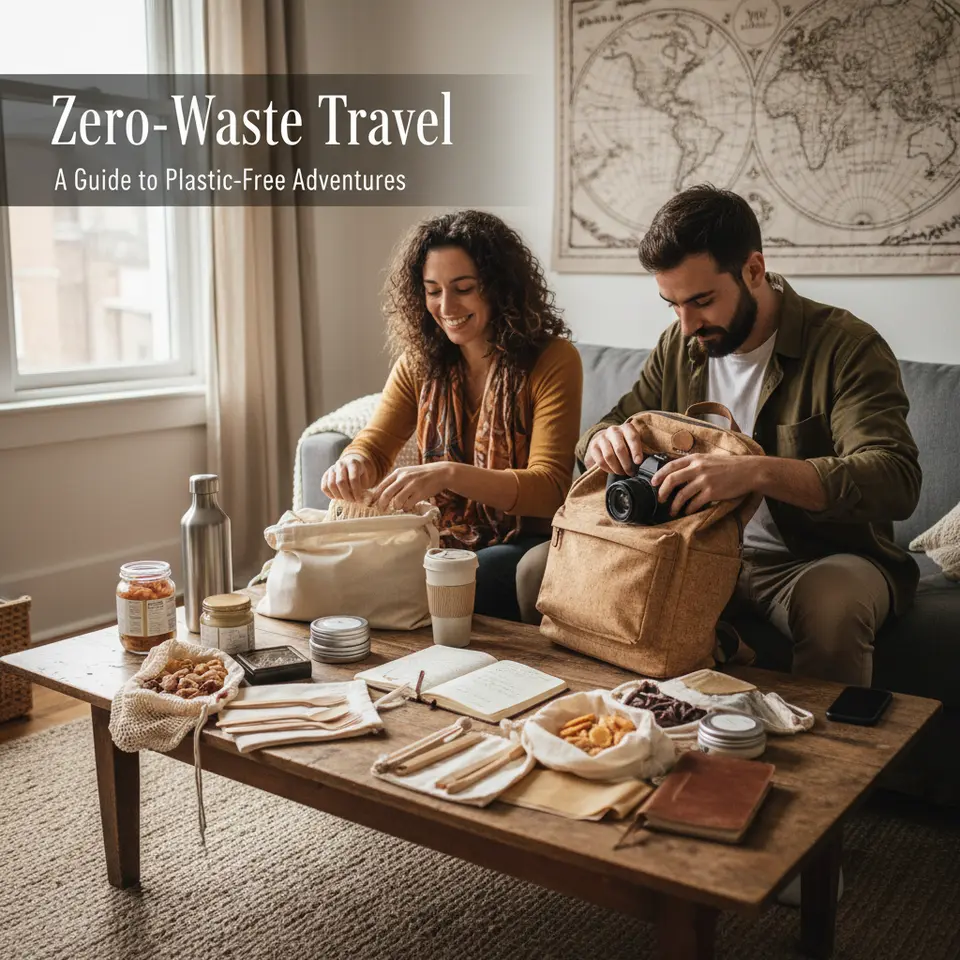
Home Travel Zero-Waste Travel: A Guide to Plastic-Free Adventures

Zero-Waste Travel: A Guide to Plastic-Free Adventures

18
0

In today’s digital landscape, zero-waste travel is more than a trend—it’s a commitment to exploring the world responsibly. As travelers become increasingly mindful of their environmental footprint, adopting plastic-free practices can transform every journey into an eco-friendly adventure. This comprehensive guide delves into planning, packing, and practicing zero-waste travel, helping you minimize single-use plastics and maximize positive impact. From researching waste infrastructure to choosing sustainable accommodations, you’ll discover practical strategies to leave only footprints and take nothing but memories. Whether you’re backpacking across continents or enjoying a weekend getaway, these tips will empower you to travel green and inspire others along the way.

Planning Your Zero-Waste Adventure

Effective zero-waste travel starts long before you set foot out the door. Begin by researching your destination’s waste management systems. Some regions boast robust recycling and composting facilities, while others may lack basic services. Government portals like the U.S. Environmental Protection Agency and resources from local municipalities can reveal drop-off centers and community recycling stations. Next, select eco-certified accommodations that prioritize waste reduction, feature bulk refill stations, and source energy from renewable systems. Certifications such as Green Key or LEED indicate establishments committed to sustainable operations.

Transportation choices dramatically influence your carbon footprint. Opt for overland travel—trains, buses, and shared rides—whenever possible. These options often yield richer cultural experiences while slashing flight-related emissions. Plan a focused itinerary with fewer stops to reduce transit miles and allow deeper immersion in each locale. Booking longer stays not only limits overpacking but also decreases travel stress and supports local economies more meaningfully.

Packing Smart for Plastic-Free Experiences

Packing Smart for Plastic-Free Experiences: a neatly arranged flatlay of zero-waste travel gear including a stainless-steel water bottle with built-in filter, collapsible silicone cup, bamboo utensil set, beeswax food wraps, reusable silicone snack bags, and cloth produce bags beside a lightweight backpack

Packing is an art form when aiming for zero-waste travel. Replace disposable items with durable, reusable gear tailored for modern explorers. A sturdy stainless-steel water bottle—equipped with a built-in filter—ensures safe hydration on the go, while collapsible silicone cups and bamboo utensil sets eliminate the need for single-use cutlery. Beeswax wraps or reusable silicone food bags preserve snacks and leftovers without plastic waste. Cloth produce bags are indispensable for market visits, allowing you to shop local fruits, vegetables, and bulk goods without contributing to landfill-bound packaging.

Toiletries often account for considerable plastic consumption. Transition to solid shampoo and conditioner bars, bar soap in compostable wrappers, and toothpaste tablets. These compact alternatives lighten your load and align perfectly with carry-on restrictions. Assemble a travel-friendly zero-waste kit: a quick-dry microfiber towel, a safety-pin clothesline, replaceable-blade razor, and a compact straw and utensil set. This kit will support you through unexpected situations and minimize reliance on single-use conveniences.

Maintaining Waste Awareness and Management on the Move

En route, every meal or snack can become an opportunity or a pitfall. Pre-pack energy-dense nibbles—nuts, dried fruits, or homemade granola—into reusable containers. When thirsty, refill your bottle at stations or filtered water sources instead of purchasing bottled drinks. Politely decline single-use straws, napkins, and cutlery offered during transit. Carry your own portable straw and utensil set to ensure you’re always prepared.

Where possible, choose bulk dining options at transit hubs. Many lounges and cafeterias offer self-serve buffets where you can load your reusable plate and bowl, bypassing packaging entirely. By integrating these small habits, you will significantly cut down on plastic waste generated during travel days.

No matter where your travels take you, proper waste separation and disposal are essential. Carry a compact, washable pouch or bag to segregate recyclables from general trash as you go. In areas with composting facilities, save fruit peels, coffee grounds, and biodegradable scraps for drop-off. Never resort to burning or burying trash; these practices damage ecosystems and wildlife. Instead, look for designated bins or eco-stations—information often available through local tourism boards or municipal websites.

Engaging in organized clean-up events is another impactful strategy. Many communities host beach or park clean-ups, offering a meaningful way to give back. Participating not only helps restore local environments but also fosters connections with residents and fellow travelers who share your sustainability ethos.

Embracing Sustainable Dining Practices

Selecting Eco-Conscious Accommodations: an eco-lodge exterior with solar panels on the roof, a rainwater harvesting system, and inside a bathroom featuring bulk shampoo and soap refill dispensers, plus a communal kitchen where travelers cook fresh local produce and reusable towel signs indicating linen-reuse policies

Food often generates the highest volume of travel waste. Tap into local markets to source fresh produce and regional specialties. If your accommodation includes a kitchenette, cooking even a few meals reduces reliance on packaged takeout. For last-minute meals, request dine-in service: your meal will come on ceramic dishes with metal cutlery, eliminating disposable containers and utensils.

If takeaway is unavoidable, bring your own container and ask restaurants to fill it directly. Many eateries welcome this request, viewing it as a step toward sustainability. Skip plastic lids and straws by offering your reusable alternatives. In zero-waste shops or refill stations—emerging across major cities—you can purchase bulk snacks and staples, filling your own bag or jar for a customized, packaging-free experience. These choices not only lessen waste but also deepen your connection to local cuisine and culture.

Selecting Eco-Conscious Accommodations

Your choice of accommodation plays a major role in supporting sustainable and zero-waste travel practices. Eco-conscious hotels, hostels, and guesthouses actively work to reduce environmental impact through responsible waste management, renewable energy systems, and plastic-free initiatives. When planning your trip, look for accommodations with trusted eco-certifications such as Green Globe or LEED certification. These certifications often indicate that the property follows strict environmental standards, including energy efficiency, recycling programs, and water conservation practices.

Prioritize Plastic-Free Amenities

Many eco-friendly accommodations now replace single-use toiletry bottles with bulk refill dispensers for shampoo, conditioner, and soap. This small adjustment significantly reduces plastic waste generated by travelers each year. Some properties also provide reusable glass bottles, filtered water refill stations, bamboo toothbrushes, and compostable room supplies to encourage guests to adopt greener habits during their stay.

Choose Accommodations with Sustainable Infrastructure

Sustainable lodging goes beyond eliminating plastic. Numerous eco-lodges and green hotels invest in renewable energy systems such as solar panels, rainwater harvesting technologies, and natural ventilation methods to minimize resource consumption. Others implement greywater recycling systems, organic gardens, and composting facilities that further support environmentally responsible tourism.

Hostels with shared kitchens are another excellent option for zero-waste travelers. Communal cooking spaces allow guests to prepare meals using fresh local ingredients, reducing reliance on packaged takeout and disposable food containers. This not only minimizes waste but also helps travelers save money and experience local markets more authentically.

Support Responsible Housekeeping Practices

Laundry and cleaning services consume significant amounts of water and energy in the hospitality industry. To reduce unnecessary resource usage, request towel and linen changes only when needed. Many eco-conscious accommodations encourage guests to participate in towel reuse programs as part of their sustainability efforts. Bringing your own reusable toiletries and travel towel can further minimize waste during longer trips.

Additionally, consider supporting locally owned guesthouses and eco-stays rather than large international chains whenever possible. Small businesses often contribute directly to local communities and preserve regional culture, creating a more meaningful travel experience.

Fostering Local Connections and Positive Impact

Fostering Local Connections

Zero-waste travel extends far beyond personal habits—it also involves building meaningful relationships with local communities and supporting environmentally responsible initiatives. By engaging with local businesses, artisans, and sustainability projects, travelers can create a positive impact that lasts long after the trip ends.

Support Local Zero-Waste Businesses

Seek out refill shops, eco-markets, and sustainable cafes that prioritize reusable packaging and locally sourced products. Supporting these small businesses helps strengthen the local green economy while encouraging more communities to adopt environmentally friendly practices. Refill stores are especially valuable for travelers needing essentials like toiletries, snacks, or cleaning products without excess packaging.

Farmers’ markets are another excellent way to practice sustainable travel. Purchasing fresh produce, handmade crafts, and regional foods directly from local vendors reduces packaging waste and supports independent entrepreneurs.

Participate in Sustainability Workshops and Events

Many cultural centers, environmental organizations, and community groups now organize workshops focused on composting, upcycling, sustainable crafts, and eco-friendly living. Joining these events can deepen your understanding of local environmental challenges while giving you practical skills to apply during your travels and back home.

Community-led clean-up events—such as beach restorations, park clean-ups, or tree-planting programs—also provide meaningful ways to give back. Even spending a few hours volunteering can positively impact local ecosystems and foster stronger cultural connections.

Inspire Others Through Everyday Actions

Simple actions often inspire the biggest changes. Sharing reusable items like produce bags, utensils, or refillable bottles with fellow travelers can spark conversations about sustainability and encourage others to reduce waste as well. Leading by example demonstrates that zero-waste travel is practical, accessible, and rewarding.

Travelers who consistently practice mindful tourism help spread awareness about environmental responsibility across borders and cultures. Over time, these collective efforts contribute to cleaner destinations, healthier ecosystems, and more sustainable tourism industries worldwide.

Leave a Positive Legacy Behind

The true goal of zero-waste travel is not perfection, but conscious improvement. Every reusable product, every locally supported business, and every sustainable decision contributes to protecting destinations for future generations. By combining eco-conscious accommodations with meaningful community engagement, travelers can transform ordinary trips into experiences that benefit both people and the planet.

Coclusion

Zero-waste travel is not about perfection, but about making consistent, thoughtful choices that benefit the planet. From meticulous planning and mindful packing to conscientious behavior on the road, each step contributes to a plastic-free journey. By embracing sustainable accommodations, responsible waste management, and community engagement, you become a steward of our shared environment. Start your plastic-free expedition today, and watch how every reusable bottle, each declined straw, and every upcycled item transforms your adventure. Travel lightly, tread consciously, and leave the world greener than you found it. When we journey with care, we ensure that destinations remain vibrant and thriving for generations to come.

External Resources:

Frequently Asked Questions About Zero-Waste Travel

1. What is zero-waste travel?

Zero-waste travel is a sustainable approach to exploring the world while minimizing trash, especially single-use plastics. The goal of zero-waste travel is to reduce environmental impact through reusable products, mindful consumption, and responsible waste disposal.

2. Why is zero-waste travel important?

Zero-waste travel helps reduce pollution, protect wildlife, conserve natural resources, and support eco-friendly tourism practices. By practicing zero-waste travel, travelers contribute to cleaner destinations and healthier ecosystems.

3. How can beginners start zero-waste travel?

Beginners can start zero-waste travel by carrying reusable essentials such as water bottles, shopping bags, utensils, and food containers. Small habits like refusing plastic straws and avoiding disposable packaging make a big difference.

4. What are the best reusable items for zero-waste travel?

Popular zero-waste travel essentials include stainless-steel water bottles, collapsible cups, bamboo cutlery sets, beeswax wraps, reusable produce bags, and solid shampoo bars.

5. How do I reduce plastic waste during zero-waste travel?

To reduce plastic waste during zero-waste travel, choose refillable toiletries, avoid bottled water, carry reusable containers, and shop at local bulk or refill stores whenever possible.

6. Can zero-waste travel save money?

Yes, zero-waste travel can help save money by reducing the need to buy disposable products, bottled drinks, and packaged snacks. Reusable items are cost-effective over time.

7. How do I find eco-friendly accommodations for zero-waste travel?

Look for hotels or hostels with eco-certifications such as Green Key or LEED. Sustainable accommodations often support recycling, renewable energy, refill stations, and waste-reduction programs.

8. Is zero-waste travel possible while flying?

Yes, zero-waste travel is possible during flights by bringing reusable travel gear, packing snacks in reusable containers, carrying an empty water bottle for refills, and avoiding disposable airline products.

9. What toiletries are best for zero-waste travel?

Solid shampoo bars, conditioner bars, toothpaste tablets, reusable cotton pads, and bar soaps in compostable packaging are ideal for zero-waste travel.

10. How can I practice zero-waste travel while eating out?

During zero-waste travel, choose dine-in options, carry reusable cutlery and containers, refuse plastic straws, and support restaurants that use sustainable packaging or locally sourced ingredients.

11. Are there apps or tools that help with zero-waste travel?

Yes, many apps help travelers locate refill stations, recycling centers, eco-friendly accommodations, and sustainable restaurants, making zero-waste travel easier and more convenient.

12. How does zero-waste travel support local communities?

Zero-waste travel encourages support for local markets, eco-conscious businesses, refill stores, and conservation initiatives, helping communities build sustainable tourism economies.

LEAVE A REPLY

Please enter your comment!
Please enter your name here