
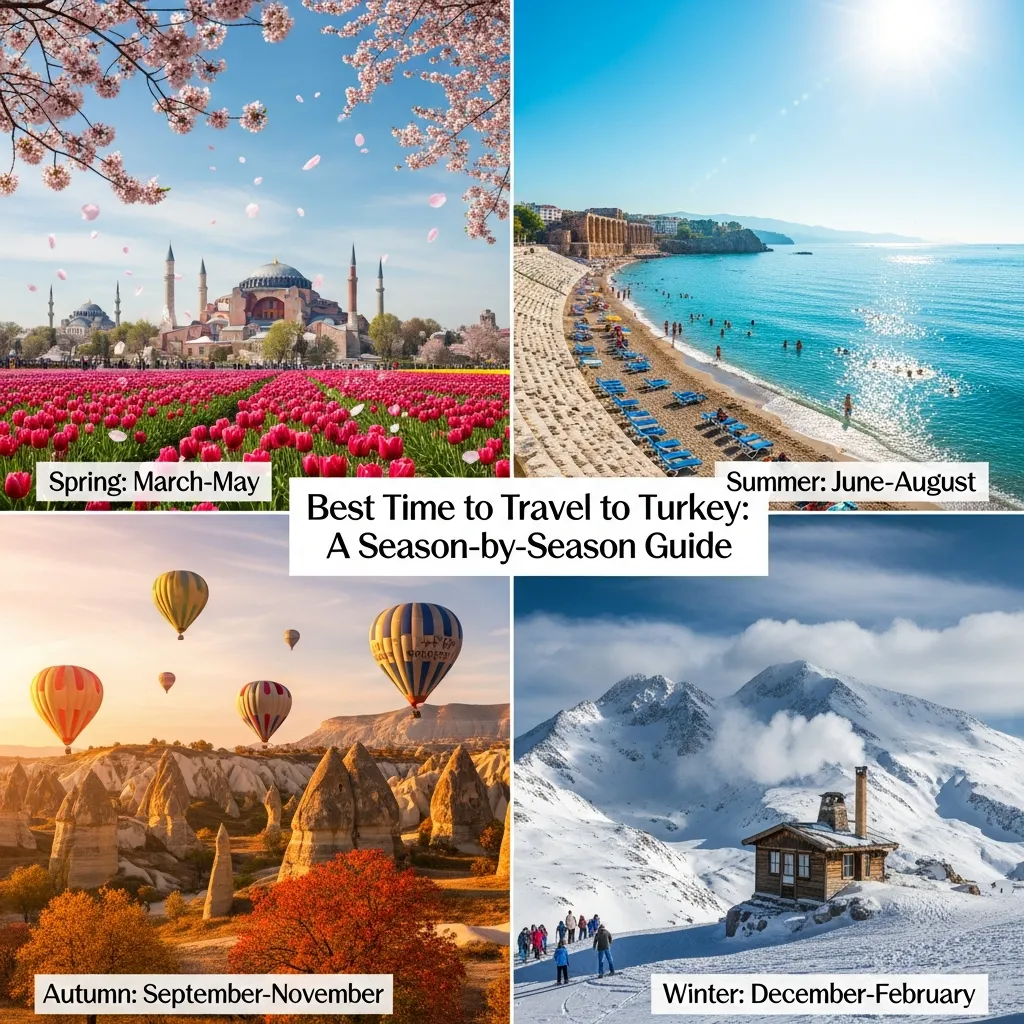
The best time to travel to Turkey is during spring (April–May) or autumn (September–October), when temperatures are mild, crowds are thinner, and prices are more reasonable. Summer draws beach lovers to the coasts, while winter suits budget travelers and ski enthusiasts. The right time depends on your destination and travel style.
Turkey is one of those rare destinations that genuinely rewards visitors year-round. But that doesn’t mean every month offers the same experience. The best time to travel to Turkey hinges on where you’re going, what you plan to do, and how much you’re willing to spend. A summer beach holiday on the Turquoise Coast looks very different from a winter wander through the alleyways of Istanbul—and both can be spectacular if you plan accordingly.
This guide breaks down every season, region, and key event to help you find your ideal window. From spring wildflowers in Cappadocia to winter skiing in Uludağ, Turkey’s calendar is full of surprises. You’ll also find practical travel tips, regional breakdowns, and a full FAQ section covering everything from visa requirements to what to pack—including airplane travel essentials for the journey over.
Whether you’re a first-time visitor or a seasoned traveler comparing the best time to travel to Turkey against other bucket-list destinations like New Zealand or Egypt, this guide has you covered.
Understanding Turkey’s Climate: Why Geography Matters
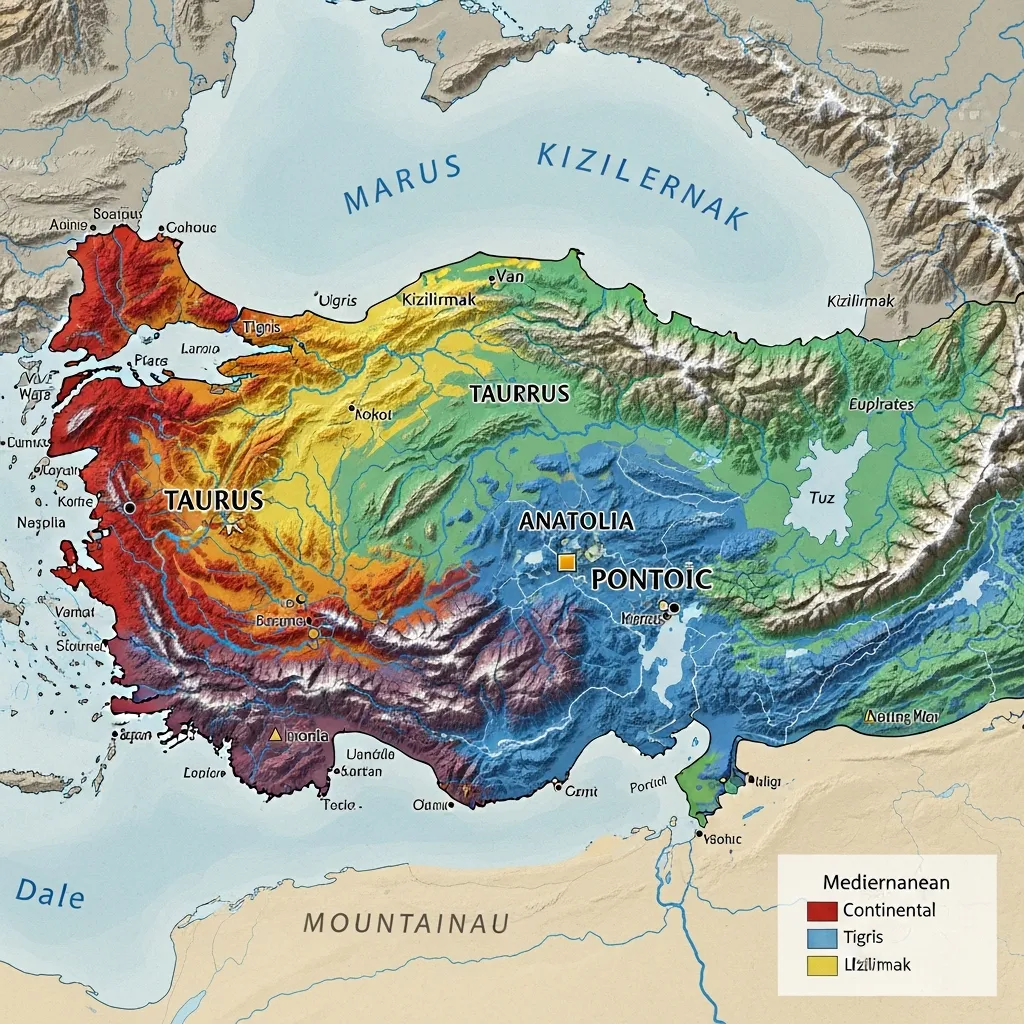
Turkey spans two continents and covers a landmass larger than Texas, which means the climate varies dramatically depending on where you are.
The Mediterranean and Aegean coasts enjoy hot, dry summers and mild, wet winters—classic Mediterranean weather. The Black Sea coast is lush and humid year-round, receiving more rainfall than anywhere else in the country. Central Anatolia, home to Cappadocia and Ankara, experiences a semi-arid continental climate with cold winters and hot, dry summers. Istanbul, straddling Europe and Asia, sits in a transitional zone with four distinct seasons, including occasional snow in January and February.
This geographic diversity is exactly why the best time to travel to Turkey isn’t a one-size-fits-all answer. A traveler heading to the beaches of Bodrum has entirely different needs than someone chasing hot air balloon rides over the fairy chimneys of Cappadocia.
Spring (April to May): The Best Time to Travel to Turkey for Most Visitors
If there’s a consensus among seasoned Turkey travelers, it’s this: spring is the sweet spot.
Weather: Temperatures across the country hover between 15°C and 25°C (59°F–77°F), making sightseeing comfortable without the punishing heat of July. Rain is still possible, particularly in April, but it tends to be brief and refreshing rather than disruptive.
What to do: Istanbul comes alive with color during the Istanbul Tulip Festival in April, when millions of tulips bloom across the city’s parks and gardens. Hikers flock to the Lycian Way, one of the world’s great long-distance trails, while the ruins of Ephesus and Pamukkale are best explored before summer heat sets in. Cappadocia’s dramatic landscapes are particularly photogenic in spring, framed by wildflowers and clear skies.
Crowds and costs: Spring draws fewer tourists than summer, which means shorter queues at major sites and more competitive hotel rates. That said, April and May are gaining popularity, so booking ahead—especially for Istanbul and Cappadocia—is still wise.
One consideration: Easter and local school holidays can temporarily spike crowds and prices in popular spots. Check dates before you book.
Summer (June to August): Peak Season on the Turkish Coast
Summer is the most popular time to visit Turkey, and it’s easy to see why—particularly if sun, sea, and beach culture are your priorities.
Weather: Coastal areas like Antalya, Bodrum, and Fethiye regularly hit 35°C–40°C (95°F–104°F) in July and August. Inland cities, including Ankara and Konya, are similarly scorching. Istanbul tends to be slightly cooler, but humidity can make it feel warmer than the thermometer suggests.
What to do: The Turquoise Coast is at its sparkling best, perfect for gulet cruises, snorkeling, and beach hopping. Historical sites like Troy, Pergamon, and the Sumela Monastery are all accessible, though visiting early in the morning or late afternoon is strongly advised to avoid peak heat.
Crowds and costs: This is high season. Flights, hotels, and tour prices all reflect that. Popular resorts like Ölüdeniz and Alanya are busy, so if you’re planning a summer trip, book as far in advance as possible.
Practical tips for summer travel:
- Stay hydrated—Turkey’s heat can be deceptively intense
- Apply high-SPF sunscreen, especially during coastal days
- Pack light, breathable clothing and a quality sun hat
- For long overnight buses or domestic flights, bring your own neck support—good travel pillow alternatives include rolled scarves, inflatable lumbar cushions, or memory foam travel pillows that double as neck support
Autumn (September to October): Another Excellent Window
Autumn runs a close second to spring for the title of best time to travel to Turkey.
Weather: September feels like a gentler version of summer—sea temperatures are still warm enough for swimming, but daytime highs drop to a more manageable 25°C–30°C (77°F–86°F). By October, temperatures cool further, particularly in inland and northern regions, and the landscapes turn gold and amber.
What to do: The Cappadocia hot air balloon season peaks in autumn, with calm morning winds and spectacular lighting. Wine lovers should time their visit to coincide with the grape harvest in the Aegean region, particularly around Şirince and Bozcaada. Istanbul’s cultural scene kicks back into gear after the summer lull, with theater, concerts, and gallery openings filling the calendar.
Crowds and costs: Visitor numbers drop noticeably after mid-September, yet the weather remains genuinely good. Hotels and flights start to come down in price, making autumn an excellent value proposition for travelers who want quality without peak-season premiums.
Winter (November to March): Off-Peak Travel and Budget Appeal

Winter is the least visited season in Turkey, but it has more to offer than most travelers expect—and it may be the best time to travel to Turkey for budget-conscious visitors.
Weather: Istanbul and the Aegean coast experience cool, rainy winters with occasional frost. Snow is common in Cappadocia and Central Anatolia from December through February. Eastern Turkey, including Mount Ararat and the Van region, sees heavy snowfall and temperatures well below freezing.
What to do: Uludağ, near Bursa, is Turkey’s most popular ski resort and attracts domestic tourists throughout winter. The Turkish bath (hammam) experience is arguably more enjoyable in winter, warming you from the inside out. Istanbul’s museums, mosques, and bazaars are far less crowded, allowing you to linger in places that feel overwhelming in summer. The Pamukkale thermal pools are also magical in cooler weather.
Crowds and costs: Prices for flights and accommodation drop significantly between November and March. Travelers willing to layer up and embrace slower-paced exploration will find Turkish hospitality at its most genuine, without the tourist veneer that coats popular sites in summer.
Regional Guide: Best Times by Destination
When Is the Best Time to Visit Istanbul?
Istanbul rewards visitors in spring (April–May) and autumn (September–November). Both seasons offer comfortable temperatures, manageable crowds, and the city’s full cultural calendar. Winter has its charms—snow dusting the domes of the Hagia Sophia is genuinely breathtaking—but pack for rain and cold.
Best Time for Hot Air Ballooning in Cappadocia
The best time to travel to Turkey for a Cappadocia balloon ride is April through October, with September and October offering the most reliable conditions. Flights are weather-dependent year-round, but spring and autumn provide the best combination of calm winds and dramatic scenery. Book your balloon experience at least two to three months in advance during peak periods.
Best Time to Visit Turkey’s Mediterranean Coast
June through September is prime beach season on the Mediterranean and Aegean coasts. The sea is warm, the sun is consistent, and the resort towns are buzzing. For a quieter coastal experience, late May and early October offer nearly the same conditions with far fewer crowds.
Best Time to Visit the Black Sea Region
The Black Sea coast is greenest and most dramatic from June through August, when the mountains are lush and the coastal towns are lively. This region is less visited than the Aegean or Mediterranean, making it a rewarding detour for travelers looking to get off the beaten track.
Special Events and Festivals: Timing Your Trip Around Turkey’s Calendar
Turkey’s cultural calendar is rich, and a few key dates are worth building your itinerary around.
Istanbul Tulip Festival (April): The city explodes with color as millions of tulips bloom in parks across Istanbul—particularly Emirgan Park. Free to attend and utterly photogenic.
Eid al-Fitr and Eid al-Adha: These Islamic holidays shift annually with the lunar calendar. During these periods, domestic travel surges, intercity buses and trains fill quickly, and some smaller businesses close. Check dates before finalizing plans.
International Istanbul Film Festival (April): One of the oldest and most respected film festivals in the region.
Cappadocia Hot Air Balloon Festival: Typically held in summer, it draws balloon enthusiasts from around the world.
Republic Day (October 29): A national holiday celebrated with parades and events across the country—a great way to experience Turkish civic pride firsthand.
Practical Travel Tips for Turkey
Visa Requirements
Most international visitors, including US, UK, and Australian citizens, can obtain an e-Visa online before arrival. The process takes minutes and costs approximately $50–$75 USD depending on nationality. Always check the official Turkish e-Visa portal for the most current requirements.
Currency and Budgeting
Turkey uses the Turkish Lira (TRY). Credit cards are widely accepted in cities and tourist areas, but carrying cash is useful for markets, smaller restaurants, and rural regions. Turkey remains excellent value for Western travelers—a solid restaurant meal in Istanbul can cost under $10 USD.
Transportation
Turkey has a well-developed domestic transport network. Turkish Airlines and Pegasus offer affordable internal flights between Istanbul, Ankara, Izmir, Antalya, and Kayseri (the gateway to Cappadocia). Intercity buses are comfortable, punctual, and budget-friendly.
For longer international flights, packing smart makes a significant difference. Key airplane travel essentials include noise-canceling headphones, a quality eye mask, compression socks for circulation, a reusable water bottle (fill it after security), and snacks to supplement airline meals. A travel pillow alternative—such as a compact inflatable neck cushion or a rolled-up fleece jacket—can dramatically improve rest on overnight flights.
Accommodation
Turkey’s accommodation range is genuinely impressive. Istanbul’s boutique hotels in Sultanahmet and Beyoğlu offer character and convenience. Cappadocia’s cave hotels are a bucket-list experience—book months ahead for the best rooms. Budget travelers will find clean, well-run hostels in all major cities, while luxury resorts line the Mediterranean coast.
Turkey vs. Other Destinations: How the Timing Compares
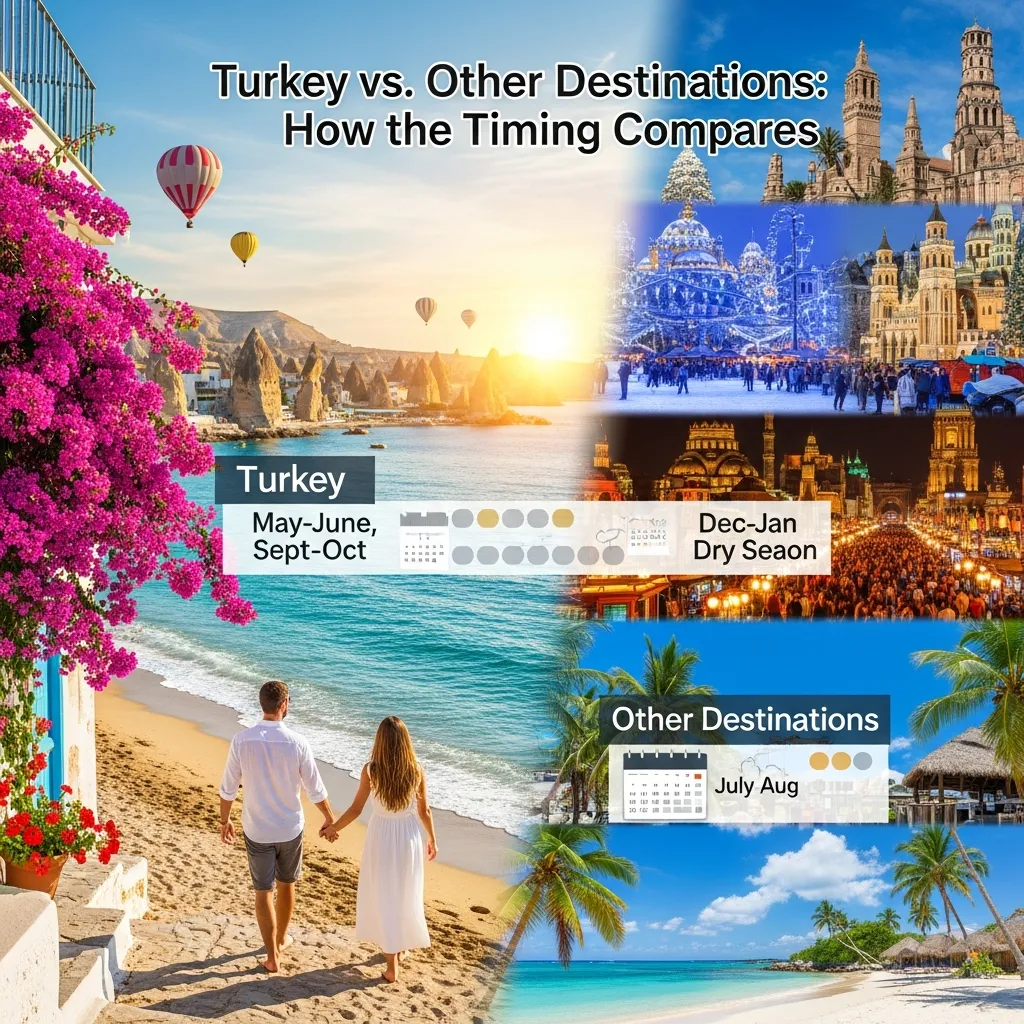
Best Time to Travel to Turkey vs. New Zealand
The best time to travel to New Zealand is December through February (Southern Hemisphere summer), which is almost the opposite of Turkey’s peak season. This makes the two destinations excellent companions for a round-the-world itinerary—visit Turkey in April or May, then continue to New Zealand for its summer.
Best Time to Travel to Turkey vs. Egypt
The best time to travel to Egypt is October through April, when temperatures are cooler and more manageable for exploring ancient sites. This overlaps well with Turkey’s autumn and spring seasons, meaning travelers combining both destinations can do so without significant climate compromises.
Conclusion
Turkey is a country that earns its place on every serious traveler’s list—and the right timing can make a good trip exceptional. The best time to travel to Turkey for most visitors is April through May or September through October, when the weather cooperates, the crowds are thinner, and the value is hard to beat. Summer is ideal if beaches are the priority; winter suits those chasing lower prices, ski slopes, or a quieter cultural experience.
Wherever your interests lie—hot air balloons over Cappadocia, hammams in Istanbul, boat trips along the Turquoise Coast—Turkey has a season built for it. Plan your timing carefully, pack your airplane travel essentials, and get ready for one of the most rewarding travel experiences the world has to offer.
Frequently Asked Questions About the Best Time to Travel to Turkey
When is the cheapest time to fly to Turkey?
The cheapest time to fly to Turkey is typically November through March, excluding the Christmas and New Year period. Flights and accommodation drop considerably during this off-peak window, making it the best time to travel to Turkey for budget-focused travelers.
What is the weather like in Turkey in May?
May brings some of Turkey’s finest weather. Temperatures range from 18°C to 27°C (64°F–80°F) across most regions, with long sunny days and minimal rainfall. It’s warm enough for coastal day trips but comfortable for city sightseeing and hiking—making it one of the best months to visit.
Is September a good time to visit Turkey?
Yes. September is widely considered one of the best months to visit Turkey. Sea temperatures are still ideal for swimming, the summer heat has softened, and tourist numbers begin to drop—resulting in shorter queues, better hotel availability, and more competitive prices.
When is the best time to travel to Turkey for beaches?
June through September is the peak beach season along the Aegean and Mediterranean coasts. July and August offer the warmest water temperatures, while June and September provide similar conditions with noticeably fewer crowds. The resort towns of Bodrum, Fethiye, and Antalya are all excellent bases.
What are the pros and cons of visiting Turkey in July?
Pros: Peak beach weather, all coastal resorts open, vibrant nightlife, full festival calendar.
Cons: Very high temperatures (often above 38°C/100°F inland), peak-season pricing, crowded sites, and limited availability at popular hotels and restaurants. Early booking is essential.
How many days are enough for Turkey?
A minimum of 10–14 days allows you to cover Istanbul, Cappadocia, and one coastal region meaningfully. A week works if you focus on a single area. For a comprehensive trip covering the Black Sea, Aegean, Mediterranean, and eastern regions, three weeks is ideal.
Is it safe to travel to Turkey right now?
Turkey is generally safe for tourists, particularly in well-traveled areas like Istanbul, Cappadocia, and the Aegean and Mediterranean coasts. As with any destination, travelers should monitor their government’s official travel advisories, stay aware of their surroundings, and avoid regions near the Syrian border where safety conditions are less predictable.
What should I avoid in Turkey?
Avoid traveling without travel insurance, ignoring local customs at religious sites (dress modestly when visiting mosques), drinking tap water in rural areas, and accepting unsolicited guidance from strangers near major tourist landmarks. Exchanging currency at airports is convenient but expensive—use ATMs in cities instead.
What should I pack for a trip to Turkey?
Packing depends on the season, but universal essentials include: comfortable walking shoes, sunscreen, a light scarf (useful for mosques and beach cover-ups), plug adapters (Type F), and a portable charger. For the flight, prioritize airplane travel essentials like noise-canceling headphones, compression socks, and travel pillow alternatives such as a compact inflatable neck cushion or memory foam travel pillow for long-haul comfort.
Does Turkey’s weather vary significantly between regions?
Yes, significantly. The Mediterranean coast is hot and dry in summer, while the Black Sea coast stays humid and green year-round. Central Anatolia (including Cappadocia) has cold winters and hot summers, while Istanbul experiences all four seasons distinctly. Always research the specific climate of your destination rather than generalizing across the whole country.
How does the best time to travel to Turkey compare to Egypt?
The best time to travel to Egypt is October through April, when desert heat is manageable for exploring the Pyramids, Luxor, and Aswan. This overlaps well with Turkey’s autumn and spring seasons, making them natural companions for a combined itinerary.
When is the best time to visit Cappadocia specifically?
April through June and September through November are the optimal windows for Cappadocia. These months offer the most reliable conditions for hot air ballooning, comfortable hiking temperatures among the fairy chimneys, and the best landscape photography lighting. Winters can be beautiful—and significantly cheaper—but cold temperatures and wind can ground balloon flights.