
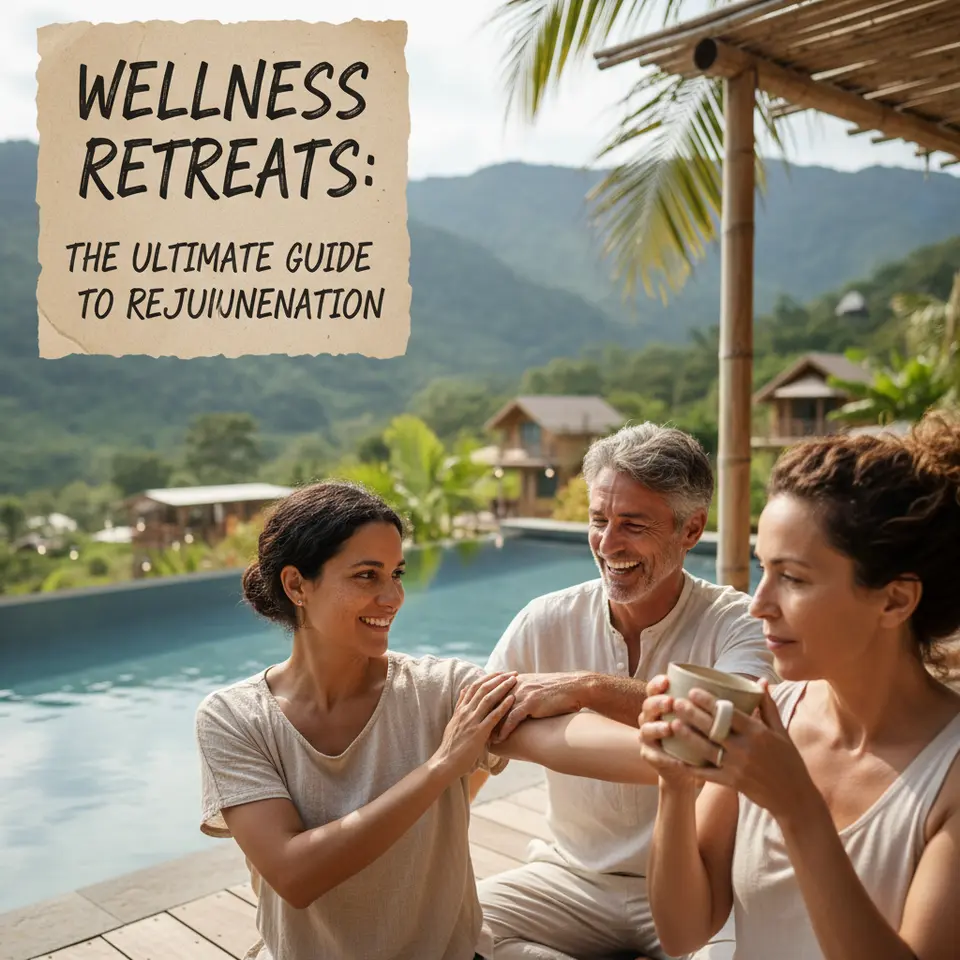
In today’s digital landscape, carving out time to recharge and reconnect with oneself has become more than a luxury—it’s a necessity. As demands in both our personal and professional lives grow more intense, stress levels can skyrocket, impacting physical health, emotional balance, and mental clarity. Wellness retreats offer an immersive solution by blending evidence-based practices, nourishing cuisine, and mindfulness techniques to foster deep restoration and sustainable growth. In a dedicated retreat environment, participants step away from daily distractions and embrace routines centered on healing and self-discovery.
Wellness retreats are structured travel experiences designed to improve well-being on multiple levels. Whether through guided yoga sessions, meditation workshops, spa therapies, or nutrition consultations, these retreats focus on holistic healing rather than mere relaxation. According to a report from the National Institutes of Health, structured wellness programs can significantly lower cortisol levels and enhance mood regulation, underscoring the scientific foundation of these experiences.
This guide will explore what defines a successful retreat, detail popular formats around the globe, and provide practical advice on choosing the perfect program to meet your individual goals. You’ll learn how to prepare effectively, what to pack, and strategies to extend the benefits long after your journey concludes. This year , prioritize your well-being and discover how a thoughtfully curated retreat can serve as the catalyst for meaningful transformation.
In addition to physical benefits, retreat environments can foster emotional resilience by providing frameworks for processing thoughts and feelings. Facilitated group discussions and one-on-one coaching sessions help participants integrate insights and build tools for navigating future challenges with greater ease.
Defining Wellness Retreats
Core Principles
At their heart, wellness retreats are intentionally designed environments that prioritize holistic health. By combining physical movement, mindfulness practices, and nutritional guidance, these retreats create a balanced itinerary that supports mind-body restoration. Participants might engage in daily yoga flows, guided breathwork sessions, or nature-based meditation, all under professional supervision. Unlike routine gym sessions or isolated spa visits, wellness retreats offer a comprehensive approach that addresses stress, movement, and nourishment in harmony.
Holistic Benefits
Engaging in a wellness retreat can yield a range of benefits that extend beyond the duration of the stay. Improved sleep patterns, stress reduction, and a reset of unhealthy habits are commonly reported outcomes. A study by the World Health Organization shows that structured wellness programs can support cardiovascular health and bolster immune function. Additionally, the communal aspect of many retreats fosters connection and accountability, encouraging participants to maintain new routines when they return home.
Unlike conventional travel experiences that focus on leisure or sightseeing, wellness retreats aim to provide a structured environment for intentional self-care. By setting aside technology, participants can fully immerse themselves in the present moment, reconnect with their physical sensations, and cultivate awareness. This intentional separation from daily routines often leads to breakthroughs in limiting habits and fosters a deeper sense of self-compassion.
Key Components
Each wellness retreat itinerary is curated to balance active and restful periods. Mornings often begin with movement—yoga, Pilates, or sunrise hikes—followed by nutrient-dense meals that fuel the body without overwhelming the digestive system. Afternoons might include workshops on stress management or cooking demonstrations that teach participants how to replicate healthy dishes at home. Evenings typically conclude with gentle meditation, sound baths, or journaling sessions to promote deep restoration and integration of insights gained throughout the day.
Wellness retreats attract a diverse array of individuals, from corporate professionals seeking stress relief to fitness enthusiasts and spiritual seekers. Regardless of background, most attendees share a common objective: to step away from habitual routines and discover new strategies for sustaining health and balance. In this way, wellness retreats serve not only as temporary getaways but also as incubators for lasting transformation, encouraging lifelong healthy habits. Read for more details : Polar Paradises
Popular Forms of Wellness Retreats
Yoga and Meditation Sanctuaries
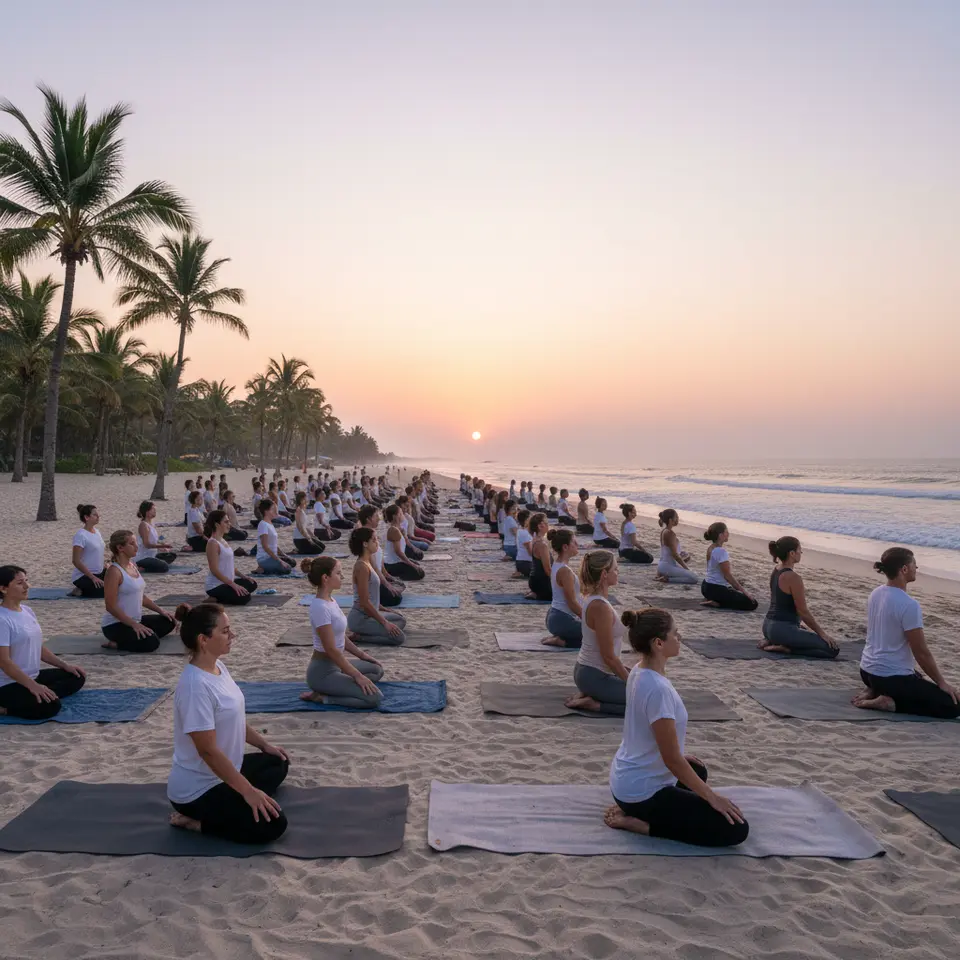
Yoga and meditation retreats are among the most prevalent types of wellness retreats. These sanctuaries offer daily guided asana practices, breathwork exercises, and silent meditation sessions to deepen self-awareness. In locations such as Bali or Tulum, retreat centers are often nestled in tranquil environments that amplify the benefits of mindfulness. Participants learn foundational techniques suitable for all skill levels, making these retreats accessible whether you are a beginner or an advanced practitioner.
Detox and Spa Escapes
Spa and detox retreats focus on cleansing the body through carefully curated menus, juicing programs, and therapeutic treatments. Techniques like lymphatic drainage massages, herbal steam baths, and mud wraps support the body’s natural detox processes. Emphasis is placed on hydration, nutrient-rich foods, and guided spa therapies to help eliminate toxins, boost immunity, and restore digestive health. These retreats often feature workshops on mindful eating and holistic nutrition.
Active Adventure and Fitness Camps
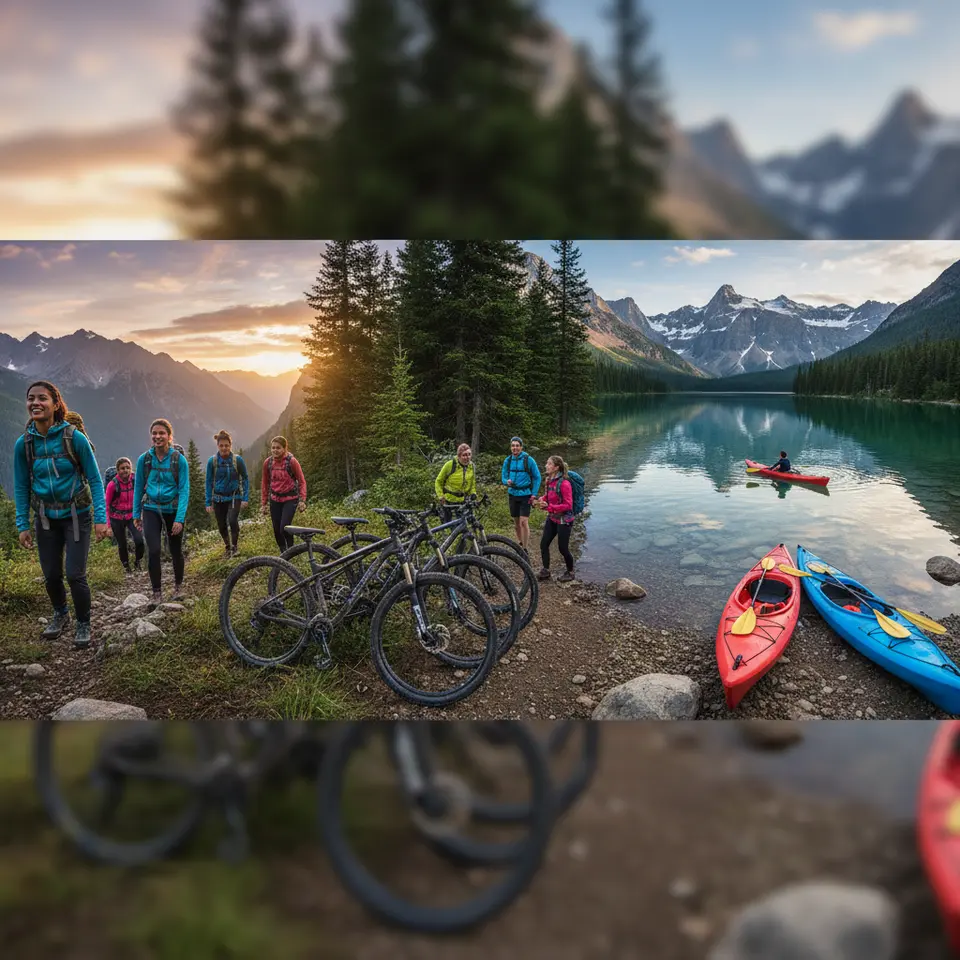
For those who seek a more vigorous approach, fitness and adventure retreats combine structured workouts with outdoor expeditions. From high-intensity interval training (HIIT) and Pilates classes to guided hiking, mountain biking, or kayaking excursions, these programs are designed to enhance strength, endurance, and cardiovascular health. Ideal for active travelers, fitness camps also integrate recovery sessions such as yoga stretches and foam-rolling workshops.
Traditional and Ayurvedic Healing Centers
Ayurvedic and holistic retreats draw upon ancient healing systems to create personalized wellness plans. After a thorough evaluation of one’s dosha—or mind-body constitution—participants receive tailored therapies such as oil massages, herbal treatments, and dietary adjustments. Located in regions like Kerala, India, these retreats emphasize root-cause healing through time-tested traditions. Personalized routines aim to balance energy channels, improve digestion, and promote mental clarity.
Choosing the Right Wellness Retreat
Clarify Your Goals
Before booking, identify the primary objective for your retreat experience. Are you aiming to reduce stress, jump-start a weight-loss journey, deepen a meditation practice, or simply unplug? Aligning your focus with the retreat’s core offerings ensures that you select a program tailored to your needs. Reading the curriculum and speaking with retreat coordinators can help clarify whether the experience will meet your expectations.
Consider Duration and Budget
Wellness retreats can range from weekend getaways to month-long immersions. Shorter stays may be ideal for those with limited time but still deliver a noticeable reset. Longer programs allow for deeper habit formation but require a greater time investment. Budget considerations include tuition, meals, accommodations, and any additional excursions or upgrade options. Booking early-bird specials or last-minute deals can help manage costs without sacrificing quality.
Accommodation and Group Size
Retreat settings vary from communal eco-lodges to private villas or luxury resorts. Smaller group sizes often provide more personalized attention, while larger gatherings create stronger community bonds. Think about whether you prefer intimate workshops or a lively group atmosphere. Reading testimonials and viewing photos of past retreats can offer insight into the ambiance and lodging standards.
Research and Reviews
Investigate the credentials of instructors and facilitators, ensuring they are certified in their respective disciplines. Websites, social media platforms, and travel forums often feature participant reviews that highlight the strengths and weaknesses of specific programs. Look for references to real-life experiences and tangible outcomes. This due diligence can prevent disappointment and set realistic expectations for your retreat.
Preparing for Your Journey: Essential Tips and Packing Guide
Mindset and Intentions
Going into a retreat with an open mind enhances the overall experience. Take time to set clear intentions for what you hope to achieve—whether it’s reducing anxiety, learning new self-care rituals, or deepening a spiritual practice. Consider reducing screen time in the days leading up to departure and begin incorporating gentle practices like daily meditation or journaling. This pre-retreat preparation helps you arrive present and ready to engage fully. more details : Global Green Festivals
Packing Essentials
- Yoga mat and any personal props (if not provided)
- Comfortable activewear and layered clothing for varying climates
- Reusable water bottle and eco-friendly travel mug
- Journal and pen to record insights and breakthroughs
- Natural skincare products, insect repellent, and sunscreen
- Comfortable footwear suitable for hikes or on-site walks
Pack light but include the basics to ensure comfort and mindfulness. Many retreat centers encourage simplicity to help maintain focus on the present moment. Labeling your luggage with contact information and carrying a small daypack for daily activities can also streamline your experience.
Maximizing Your Experience and Life After the Retreat
During the Retreat
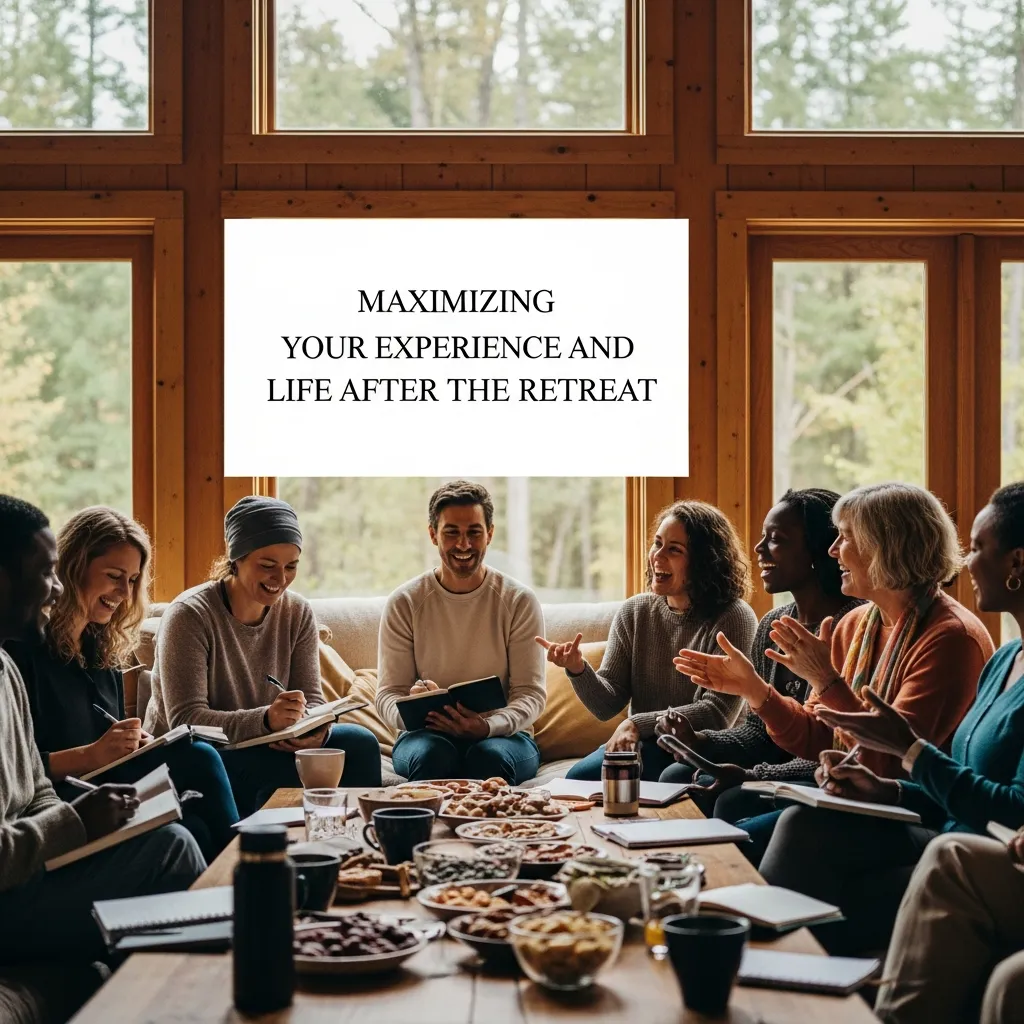
Engage fully in all scheduled activities, even those that seem unfamiliar. Embracing new modalities—like sound baths or plant-based cooking workshops—can unlock unexpected insights. Practice mindful presence by limiting phone usage and immersing yourself in the natural setting. Connecting with fellow participants fosters camaraderie and can create a supportive network that extends beyond the retreat.
Long-Term Integration
After returning home, integrate new routines gradually. Start by incorporating one or two daily practices, such as a short meditation session each morning or preparing one plant-based meal per week. Setting small, achievable goals helps ensure sustainable progress. Regularly revisit your retreat journal to reinforce lessons and track improvements in your well-being.
Community and Continued Support
Many retreat providers offer alumni groups or virtual follow-up sessions to maintain momentum. Online forums, local yoga studios, and community meet-ups provide accountability and encouragement. Engaging in periodic workshops or refresher courses can reignite the sense of purpose cultivated during your retreat, ensuring that the benefits endure.
Conclusion
Wellness retreats offer a powerful escape from the stress and overstimulation of modern life, allowing individuals to reset their mind, body, and emotional well-being in a structured and supportive environment. Through practices like yoga, meditation, nutrition guidance, spa therapies, and mindful living, these retreats create space for deep healing and personal transformation.
In today’s fast-paced world, wellness retreats are no longer just luxury getaways—they have become essential tools for maintaining balance, reducing stress, and improving long-term health. Whether set in mountains, forests, or coastal sanctuaries, they encourage self-discovery and sustainable lifestyle changes that extend far beyond the retreat itself.
By fully immersing yourself in wellness retreats, you gain not only relaxation but also practical tools to build a healthier, more mindful life. This year is the perfect time to invest in your well-being and embrace experiences that nurture lasting physical and mental harmony.