Italy stands out as a dream destination for millions of people around the globe. From the ancient ruins of Rome to the romantic canals of Venice, the country offers an unmatched blend of history, culture, and culinary excellence. You can wander through world-class museums, relax on stunning coastlines, and enjoy some of the finest food on the planet. With so much to see and do, planning a trip requires careful consideration.
One of the most common questions prospective visitors ask is about the best time to travel to Italy. The answer depends heavily on what you want to experience. Do you prefer warm beach days, quiet museum visits, or festive holiday markets? Each season brings its own unique charm and set of challenges. Finding the best time to travel to Italy means aligning your personal travel preferences with the country’s distinct seasonal shifts.
This comprehensive guide will help you determine the best time to travel to Italy for your specific needs. We will explore the weather conditions, regional variations, and cultural events associated with spring, summer, autumn, and winter. You will also learn about the benefits of shoulder seasons, regional considerations, and key factors for planning your itinerary. Finally, a detailed FAQ section will answer specific questions to help you organize the perfect Italian getaway.
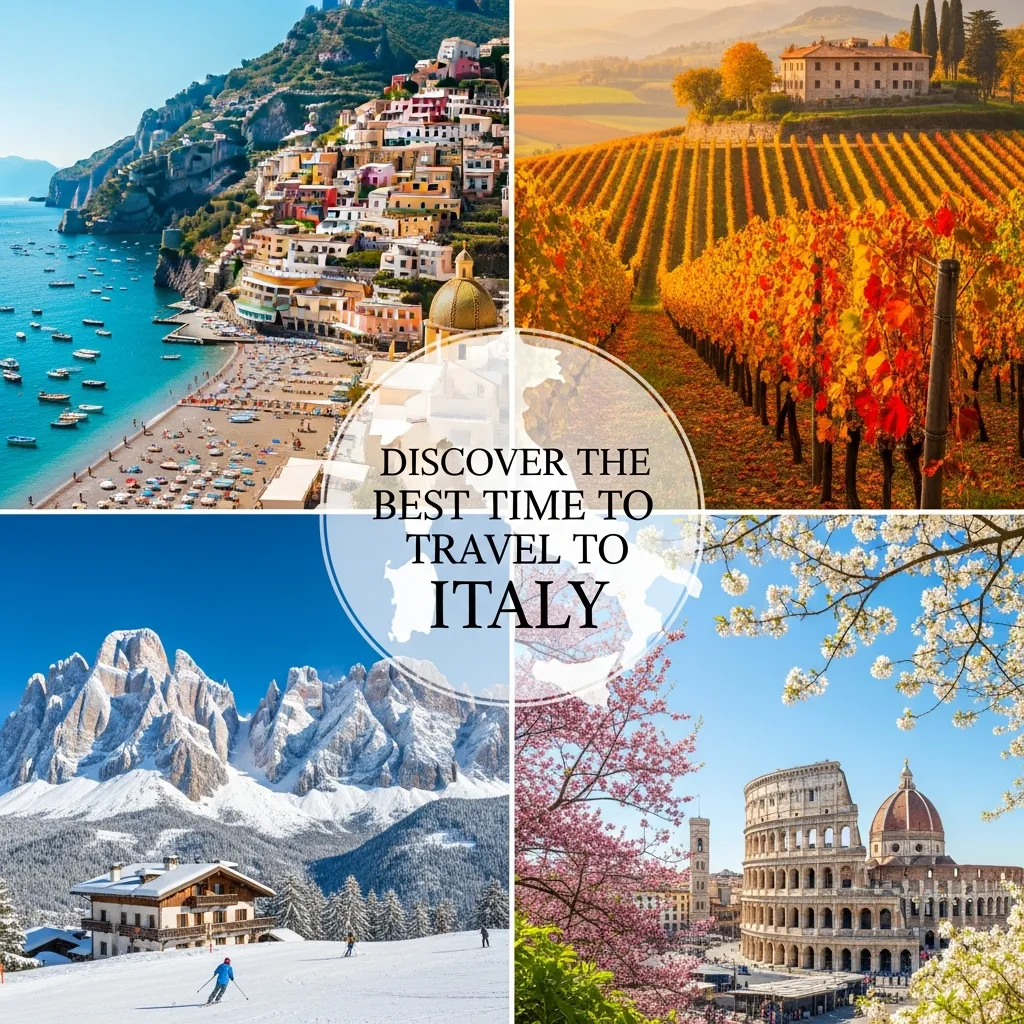
Spring in Italy (April-May)
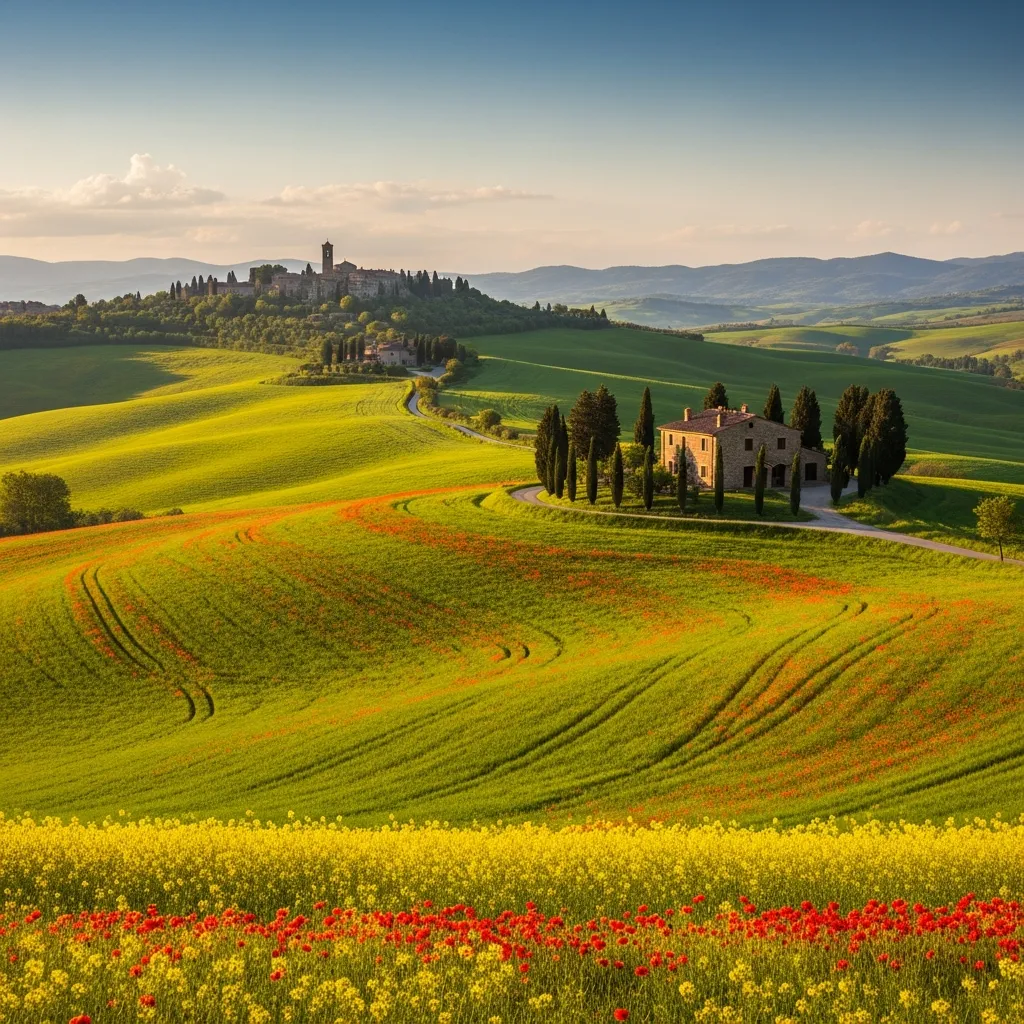
Spring brings mild weather and blooming landscapes, making it a strong contender for the best time to travel to Italy. During April and May, temperatures are generally pleasant. You can expect daytime highs ranging from 60 to 70 degrees Fahrenheit, which is ideal for outdoor exploration. Southern regions like Sicily and Puglia warm up faster than the northern areas near the Alps.
Festivals and events bring the country to life during the spring months. Easter celebrations are massive, particularly in Rome and Florence. You can also experience local food festivals and historical parades that celebrate the end of winter.
For travelers, the pros of visiting in spring include comfortable weather and the ability to enjoy outdoor activities like hiking without extreme heat. You can explore the ruins of Pompeii or the vineyards of Tuscany comfortably. The main con is the unpredictable rain, especially in April. However, if your focus is on cultural experiences and outdoor activities, spring is arguably the best time to travel to Italy.
Summer in Italy (June-August)
Summer represents the peak tourist season. June through August brings hot weather, massive crowds, and higher prices. Temperatures regularly exceed 85 degrees Fahrenheit, and humidity can be intense in cities like Rome and Venice. Despite the heat, many people consider summer the best time to travel to Italy because of school holidays and the vibrant, energetic atmosphere.
Coastal destinations and island escapes are the main attractions during these months. The Amalfi Coast, Sardinia, and Sicily offer stunning beaches and crystal-clear waters. However, you must be prepared for crowded beaches and premium accommodation rates.
Major summer festivals also take place during this time. The Palio di Siena, a famous horse race, happens in July and August. To ensure you do not miss out on popular events, it is highly recommended to secure Event Tickets Online well in advance. To survive the summer heat, plan your sightseeing for the early morning or late afternoon. Take a long lunch in a shaded piazza, stay hydrated, and embrace the local tradition of an afternoon rest.
Autumn in Italy (September-October)
Autumn is another excellent option if you are seeking the best time to travel to Italy. September and October offer ideal weather, with the intense summer heat giving way to cooler, comfortable days. The crowds begin to thin out, making it easier to navigate popular attractions.
This season is famous for harvest festivals. Food lovers flock to regions like Piedmont and Umbria for truffle fairs, while wine regions like Tuscany and Veneto celebrate the grape harvest. If your ideal vacation involves wine tasting and culinary experiences, autumn is absolutely the best time to travel to Italy.
You will find fewer crowds than in the summer, which allows for a more relaxed experience in art cities like Florence and Milan. The changing foliage also makes nature excursions incredibly scenic. Hiking in the lakes region or exploring the countryside becomes highly enjoyable with the crisp autumn air.
Winter in Italy (November-March)
Winter is the low season for most of the country, bringing cooler weather and quieter cities. From November to March, temperatures drop significantly. Northern Italy experiences snow, while the southern regions remain mild but damp. If you dislike crowds and want to save money, winter might be the best time to travel to Italy.
The holiday season adds a special magic to the winter months. Christmas markets pop up in cities and towns, particularly in the northern regions near the Austrian border. New Year celebrations feature spectacular fireworks displays in major squares across the country.
Regional differences are stark during winter. The Dolomites transform into a paradise for winter sports enthusiasts, offering world-class skiing and snowboarding. Meanwhile, regions like Sicily offer quiet, cool days perfect for exploring ancient Greek temples without the usual crowds. Budget travelers will appreciate the lower hotel rates and discounted flights, making winter a very practical best time to travel to Italy for those seeking unique, quiet experiences.
Shoulder Seasons: The Sweet Spot
Many travel experts argue that the shoulder seasons represent the absolute best time to travel to Italy. These periods fall in late spring (May) and early autumn (September to October).
During the shoulder seasons, you hit the sweet spot. You get the perfect balance of good weather, manageable crowds, and reasonable prices. The Mediterranean sea is often warm enough for swimming in September, yet the suffocating heat of August has passed. You can walk through the Colosseum or hike the Cinque Terre without feeling overwhelmed by the sun or the masses of tourists. For the vast majority of visitors, the shoulder seasons provide the most rewarding and comfortable Italian experience.
Regional Considerations: Beyond the Seasons
When deciding the best time to travel to Italy, you must look beyond the calendar and consider geography. Italy is a long, boot-shaped country with diverse climates.
Northern Italy, including Milan and the lakes, features a continental climate. Winters are cold and snowy, while summers are hot and humid. Central Italy, home to Tuscany and Rome, has a more moderate climate, making it pleasant for most of the year, though summers remain very hot. Southern Italy experiences a Mediterranean climate with mild winters and long, dry, hot summers.
City destinations like Rome, Florence, and Venice are best visited in the spring or autumn when walking for hours is comfortable. The countryside, such as the rolling hills of Tuscany, is stunning during the autumn harvest or the spring bloom. Coastal areas like the Amalfi Coast practically shut down in the winter, so the best time to travel to Italy for a beach holiday is strictly between late May and early September.
Planning Your Trip: Key Factors
Your personal budget plays a huge role in determining the best time to travel to Italy. Seasonality heavily impacts costs. Flights and hotels peak in price during July and August. If you are on a tight budget, visiting in November or February will stretch your funds much further.
Activities also dictate your schedule. Match the season to your desired experiences. If you want to ski, January is perfect. If you want a beach vacation, July is ideal. If you want to spend hours inside museums, November offers short lines and quiet galleries.
Crowd avoidance requires strategic planning. If you must travel during the high season, stay in lesser-known towns and take day trips to major attractions. Always book in advance. Buying Event Tickets Online for places like the Vatican Museums or the Uffizi Gallery will save you hours of waiting in line. Planning ahead ensures that you get the most out of whichever period you choose as the best time to travel to Italy.
Finding Your Ideal Italian Adventure
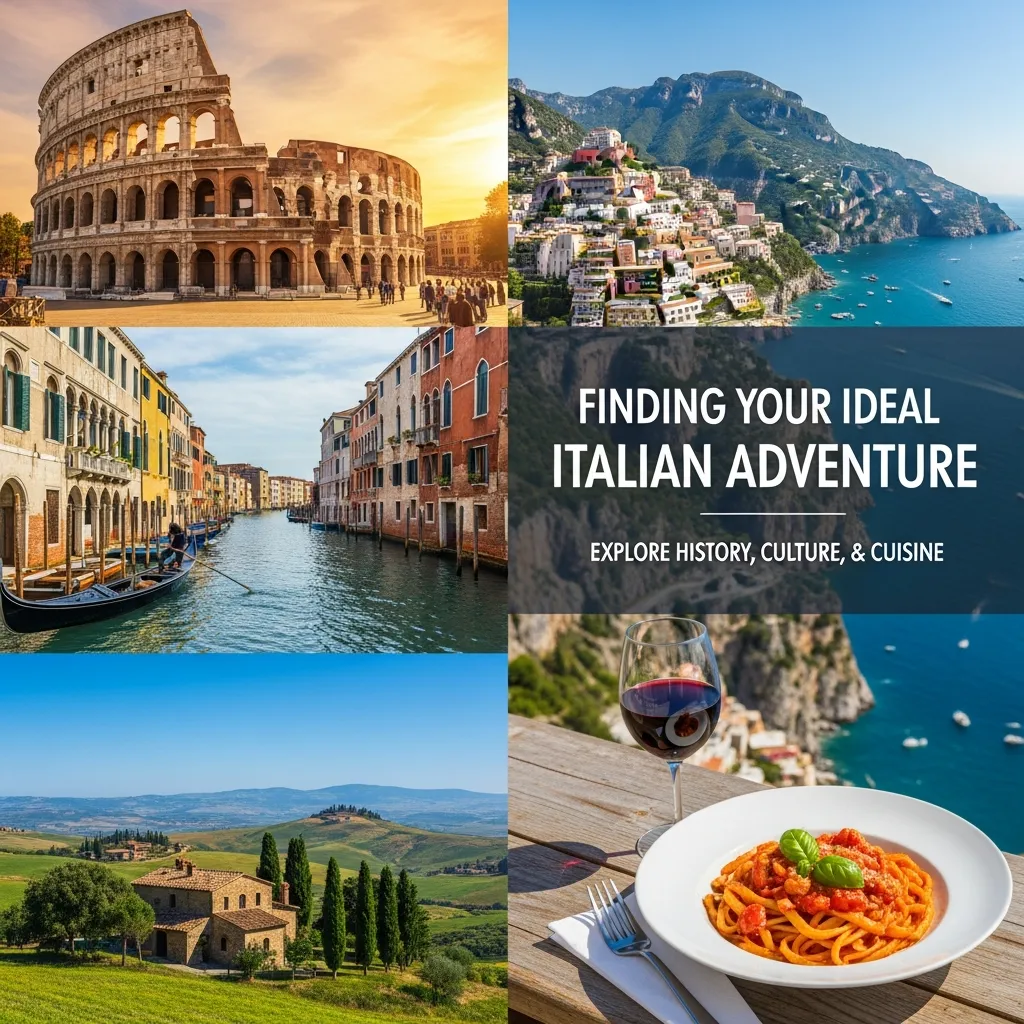
Ultimately, the best time to travel to Italy is highly subjective. It depends entirely on what you want to see, do, and spend. Every season offers distinct advantages and presents its own unique atmosphere.
We encourage you to weigh the factors discussed based on your personal preferences. If you prioritize warm weather and beaches, embrace the summer. If you prefer food festivals and wine tasting, aim for the autumn. By aligning your expectations with the seasonal realities, you guarantee a memorable and fulfilling trip. With thoughtful planning, any time of year can be the best time to travel to Italy.
FAQs – Best Time to Travel to Italy
What is the cheapest month to travel to Italy?
The cheapest months for the Best Time to Travel to Italy are usually November, January, and February. These winter months fall outside peak tourist season, so both flight prices and hotel rates are significantly lower, making them ideal for budget travelers.
Is Italy too hot in July?
July is part of the peak summer season, and in many cities like Rome and Florence, temperatures can exceed 90°F (32°C). If you are planning the Best Time to Travel to Italy, July is better for coastal destinations where sea breezes provide some relief from the heat.
When is the best time for hiking in the Dolomites?
The ideal Best Time to Travel to Italy for hiking in the Dolomites is from late June to September. During these months, snow has melted, trails are fully open, and weather conditions are stable for safe mountain adventures.
What are the best months to visit Rome?
For most travelers, April, May, September, and October are the Best Time to Travel to Italy, especially for visiting Rome. The weather is pleasant, walking is comfortable, and tourist crowds are much lighter compared to summer.
Is it worth visiting Italy in winter?
Yes, winter is still a great Best Time to Travel to Italy if you prefer fewer crowds, lower prices, and festive Christmas markets. It’s also perfect for museum visits and enjoying a quieter travel experience.
When are the major Italian festivals?
Italy hosts festivals throughout the year. Carnevale happens in February, Easter celebrations occur in spring, Palio di Siena takes place in summer, and harvest festivals are common in autumn. These events can help you choose the Best Time to Travel to Italy based on cultural experiences.
How far in advance should I book Event Tickets Online for attractions?
For popular attractions like the Colosseum, Vatican Museums, and The Last Supper, it is best to book at least one month in advance. Planning early helps you make the most of the Best Time to Travel to Italy without missing key experiences.
What should I pack for each season in Italy?
Packing depends on timing. Summer requires light clothing, spring and autumn need layers, and winter needs warm coats. Choosing the right season for the Best Time to Travel to Italy also helps you pack more efficiently.
Are there fewer tourists in the shoulder seasons?
Yes, spring and autumn are considered shoulder seasons and are often the Best Time to Travel to Italy because crowds are smaller and attractions are more enjoyable.
What is the best time to visit the Amalfi Coast?
May and September are widely considered the Best Time to Travel to Italy for the Amalfi Coast. You get warm beach weather without the overcrowding and extreme heat of peak summer.
Can I go skiing in Italy?
Yes, Italy is famous for skiing in the Alps and Dolomites. The ski season runs from December to March, making winter another exciting Best Time to Travel to Italy for adventure lovers.
When is the olive harvest season in Italy?
The olive harvest season runs from late October to November. This is a unique cultural period and can also be considered a special Best Time to Travel to Italy for food and rural experiences.