

Discover the ideal time to visit Aruba for perfect weather, fewer crowds, and the best deals. This guide covers everything from seasonal climate variations to local events, ensuring your trip is unforgettable.
Dream of turquoise waters and endless sunshine? You are certainly not alone. Every year, thousands of visitors flock to the southern Caribbean seeking sandy shores and relaxation. Aruba stands out as a prime destination for beach lovers and adventure seekers alike. It boasts stunning landscapes, welcoming locals, and a vibrant cultural scene.
Figuring out the best time to travel to Aruba ensures you get the exact optimal experience you want. Because the island sits outside the hurricane belt, you might think any month works perfectly. While it is true that Aruba enjoys great weather year-round, different seasons offer vastly different experiences.
If you want to dodge the crowds, save on accommodation, or attend a specific cultural festival, you need to plan carefully. We will uncover the best time to travel to Aruba based on your specific travel goals, budget, and preferences.
Chapter 1: Understanding Aruba’s Climate
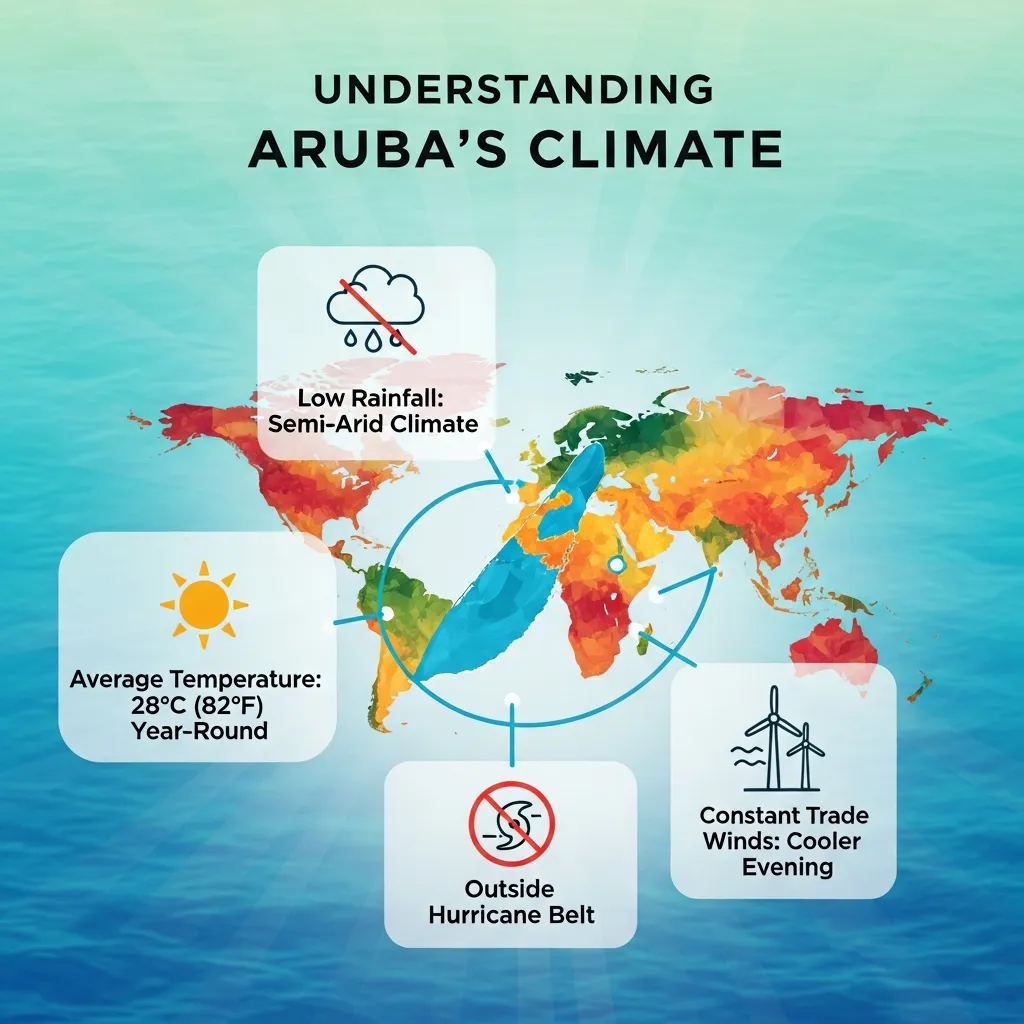
Aruba features a tropical marine climate. This means you can expect consistent warmth throughout the entire year. The average temperature hovers around 82°F (28°C), supported by cooling trade winds that keep the heat comfortable.
One of the biggest advantages of visiting this island is its location. Aruba sits far south in the Caribbean Sea, safely outside the main hurricane belt. While other tropical destinations face severe storm threats from June to November, Aruba remains mostly unaffected. This geographical blessing makes the best time to travel to Aruba highly flexible for most vacationers.
Rainfall is quite minimal compared to other tropical islands. The rainy season technically spans from October to January. Even then, showers are usually brief and happen overnight or early in the morning. By the time you wake up and grab breakfast, the sun is shining brightly again.
Chapter 2: Peak Season (Mid-December to Mid-April)
For many tourists escaping freezing winter temperatures back home, the peak season is the best time to travel to Aruba. From mid-December through mid-April, the island experiences a massive influx of visitors.
The main advantage of visiting during this window is the flawless weather. You will find endless sunny days, low humidity, and very little chance of rain. The atmosphere is vibrant, and businesses operate at full capacity. All tours, restaurants, and attractions remain open and ready to serve eager travelers.
However, this popularity comes with a few drawbacks. Prices for flights and hotels reach their absolute highest. You will encounter much larger crowds at popular spots like Eagle Beach and Palm Beach. If you decide the peak season is the best time to travel to Aruba for your group, you must book your accommodations and dinner reservations months in advance.
Chapter 3: Shoulder Season (Mid-April to June; September to Mid-December)
Savvy travelers often consider the shoulder season to be the absolute best time to travel to Aruba. These transitional months—specifically mid-April to June, and September to mid-December—offer a fantastic middle ground.
During these periods, you still enjoy excellent weather, but you share the beaches with far fewer people. Because the winter rush has ended, hotels and airlines start lowering their rates to attract visitors. You can score significant discounts on luxury resorts and excursions.
The weather remains lovely. You might notice slightly warmer temperatures and a small increase in humidity, especially in September and October. You might also encounter a brief passing shower. Despite this, the lower costs and relaxed vibe make the shoulder season the best time to travel to Aruba for anyone seeking value without sacrificing sunshine.
Chapter 4: Low Season (July to August)
If you are a budget-conscious traveler, the low season might be the best time to travel to Aruba. July and August bring the fewest tourists to the island.
Because demand is low, you will find the absolute lowest prices on flights and hotel rooms. You will have plenty of space on the sand, and securing a spot on a popular snorkeling tour is a breeze.
The trade-off involves the heat. These summer months bring the hottest temperatures and the lowest wind speeds. The intense sun can feel overwhelming if you are not accustomed to tropical climates. Additionally, some smaller businesses or restaurants might close for a few weeks to allow their staff to take vacations. If you can handle the heat and want to save money, this remains a viable option.
Chapter 5: Beyond the Weather: Festivals and Events
Sometimes, the best time to travel to Aruba depends entirely on local celebrations. Timing your visit to coincide with a major event adds a rich layer of cultural immersion to your trip.
Aruba’s Carnival is the biggest event of the year, running through January and February. It features spectacular parades, elaborate costumes, and infectious calypso music. If you love a good party, this is undoubtedly the best time to travel to Aruba.
In May, the island hosts the Aruba Soul Beach Music Festival. This multi-day event brings renowned R&B and comedy acts to the island, drawing crowds from all over the world.
For water enthusiasts, September offers the local Dive Festival, celebrating the island’s incredible coral reefs and shipwrecks. Keep an eye on the local calendar, as there are always culinary festivals and sailing regattas happening throughout the year.
Chapter 6: Practical Tips for Your Aruba Trip

No matter when you decide is the best time to travel to Aruba, a little preparation goes a long way.
First, look at accommodation booking strategies. If you visit during peak season, book at least six months out. For shoulder and low seasons, three months is usually sufficient.
Getting around the island is easy. Taxis are heavily regulated and safe, but renting a car gives you the freedom to explore hidden gems at your own pace. The roads are well-maintained, and driving is on the right side.
Packing depends slightly on the season, but lightweight, breathable clothing is a must. Bring a light sweater for breezy evenings or heavily air-conditioned casinos.
If you want to capture stunning memories, read up on Photography Tips before you go. The harsh midday sun can wash out your photos. Aim to shoot during the golden hours of early morning or late afternoon for the most flattering light. Protect your camera gear from the fine sand and salty air with proper bags.
Chapter 7: Enhancing Your Aruba Experience
Make your trip more meaningful by engaging with the island deeply. Consider practicing Zero-Waste Travel during your stay. Bring a reusable water bottle—Aruba’s tap water is famously clean and safe to drink. Use reef-safe sunscreen to protect the fragile marine ecosystems, and refuse single-use plastics at local vendors.
To truly appreciate the landscape, seek out the Best Sunrise and Sunset Locations. California Lighthouse offers spectacular sunset views over the ocean. For early birds, the rugged eastern coast near the natural bridges provides a dramatic backdrop for a stunning sunrise.
Make sure to explore beyond the tourist hubs. Rent a four-wheel-drive vehicle and visit Arikok National Park, which covers nearly 20% of the island. You can also drive down to San Nicolas, the “Sunrise City,” to admire vibrant street art and experience authentic Aruban culture.
Chapter 8: Comparing Aruba to Other Destinations
When planning a major trip, you might find yourself weighing different parts of the globe. For example, contrasting the best time to travel to Aruba with the Best Time to Travel to Japan highlights diverse travel perspectives.
While Aruba offers year-round tropical consistency, Japan requires strict seasonal planning. You visit Japan in April for cherry blossoms or November for autumn leaves. Aruba is fundamentally about relaxation, beach culture, and reliable sunshine. If you want a vacation where weather concerns are minimal and relaxation is guaranteed, Aruba easily wins out over more seasonally volatile destinations.
Planning Your Aruba Getaway

Determining the best time to travel to Aruba ultimately depends on your personal priorities. If you want guaranteed perfect weather and love a lively atmosphere, aim for the peak winter months. If you prefer quiet beaches and lower prices, the low season in late summer is your ticket. For the ultimate balance of good weather, manageable crowds, and reasonable rates, the shoulder season takes the crown.
Start looking at your calendar and flight options today. The “One Happy Island” is waiting to offer you an unforgettable vacation. For more detailed guides and booking resources, visit yourtravelsite.com/best-time-to-travel-to-aruba.
Frequently Asked Questions (Best Time to Travel to Aruba)
1. What is the absolute Best Time to Travel to Aruba for perfect weather?
The best time to visit Aruba for ideal weather is from mid-December through mid-April. During this period, travelers enjoy sunny skies, low humidity, refreshing trade winds, and almost no rainfall. It’s the perfect season for beach vacations, outdoor adventures, and water sports.
2. When is hurricane season in Aruba, and should I be worried?
The Caribbean hurricane season officially lasts from June to November, but Aruba lies outside the main hurricane belt. Because of its southern location, the island rarely experiences direct storms, making it one of the safest Caribbean destinations year-round.
3. Is Aruba windy throughout the year?
Yes, Aruba is famous for its steady trade winds. These cooling breezes make the tropical climate feel much more comfortable and are especially enjoyable for travelers visiting during warmer months. The wind also creates ideal conditions for windsurfing and kitesurfing.
4. What is the cheapest time to visit Aruba?
If you are looking for lower prices, July and August are often the most affordable months. During this low tourist season, travelers can find cheaper flights, discounted hotel rates, and special resort promotions while still enjoying warm weather.
5. What activities are best during Aruba’s peak season?
The peak season is ideal for snorkeling, scuba diving, sunset cruises, sailing tours, and beach relaxation. Travelers visiting during the Best Time to Travel to Aruba can also enjoy vibrant nightlife, beachfront dining, and lively entertainment events.
6. Are there any cultural festivals worth experiencing in Aruba?
Yes, Aruba hosts several exciting cultural celebrations throughout the year. The colorful Aruba Carnival in January and February is the island’s biggest event, featuring parades, music, and dancing. The Soul Beach Music Festival and local food festivals are also popular attractions.
7. How far in advance should I book a trip to Aruba?
For winter and holiday travel, it’s best to book at least six months ahead because accommodations sell out quickly. During shoulder seasons, booking two or three months early is usually enough to secure good prices and availability.
8. What are some eco-friendly travel tips for Aruba?
Travelers can practice sustainable tourism by carrying reusable water bottles, using reef-safe sunscreen, reducing plastic waste, and supporting local eco-conscious businesses. Aruba’s tap water is safe to drink, making it easier to avoid disposable bottles.
9. Can I find good travel deals during the shoulder season?
Absolutely. Mid-April through June and September through mid-December are excellent periods for finding hotel discounts and lower airfare. These months still offer pleasant weather with fewer crowds compared to peak season.
10. Is Aruba safe for solo travelers?
Aruba is considered one of the safest Caribbean islands for solo travelers. The island has a welcoming atmosphere, reliable tourism infrastructure, and low crime rates, though normal travel precautions should always be followed.
11. What are the must-visit attractions in Aruba?
Besides the famous Eagle Beach, visitors should explore Arikok National Park, the California Lighthouse, Baby Beach, Natural Pool (Conchi), and the colorful street art in San Nicolas. These attractions showcase Aruba’s unique landscapes and culture.
12. How is Aruba’s climate different from other Caribbean islands?
Unlike many tropical Caribbean destinations, Aruba has a dry, desert-like climate with less rainfall and humidity. The island is known for its cactus-filled landscapes, rocky coastlines, and sunny weather almost all year, making it a reliable beach destination.