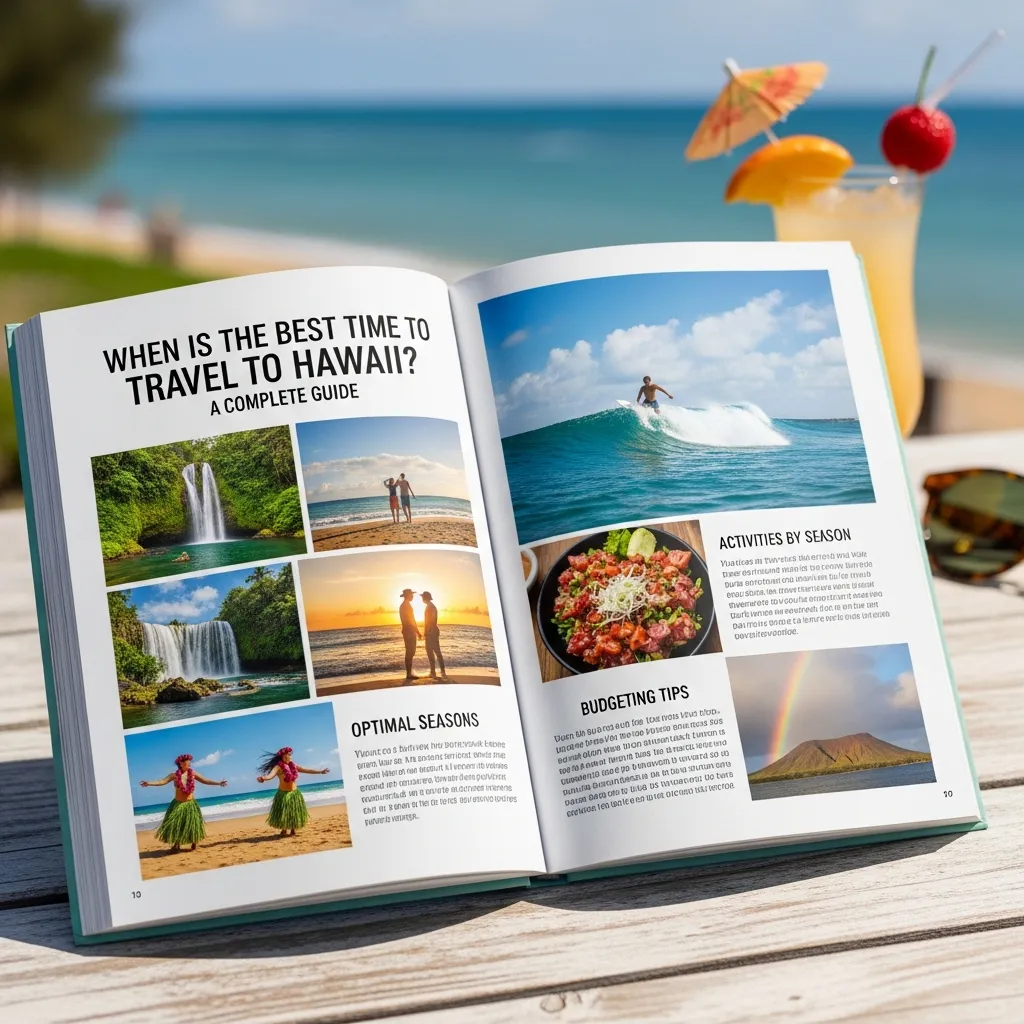
Hawaii is a dream destination for millions of people around the globe. With its pristine beaches, lush rainforests, towering volcanoes, and rich Polynesian culture, the Aloha State offers an unforgettable tropical escape. You can spend your days surfing massive winter waves on Oahu’s North Shore, snorkeling in the crystal-clear waters of Maui, or simply relaxing on the warm sands of Kauai.
However, planning a trip to this Pacific paradise requires some strategic thinking. The experience you have will depend heavily on exactly when you decide to pack your bags. Finding the best time to travel to Hawaii is essential for making the most of your vacation budget, avoiding massive crowds, and experiencing your favorite activities under the right weather conditions.
Because the islands offer so many different types of experiences, the best time to travel to Hawaii ultimately depends on what you want to get out of your trip. Are you hoping to spot migrating humpback whales, or are you looking for the cheapest flight possible? Do you want perfect tanning weather, or do you prefer cooler temperatures for rigorous mountain hikes?
By understanding the seasonal shifts, local events, and travel trends, you can pinpoint the absolute best time to travel to Hawaii for your unique needs. Let’s break down everything you need to know to plan the ultimate island getaway.
Understanding Hawaii’s Seasons
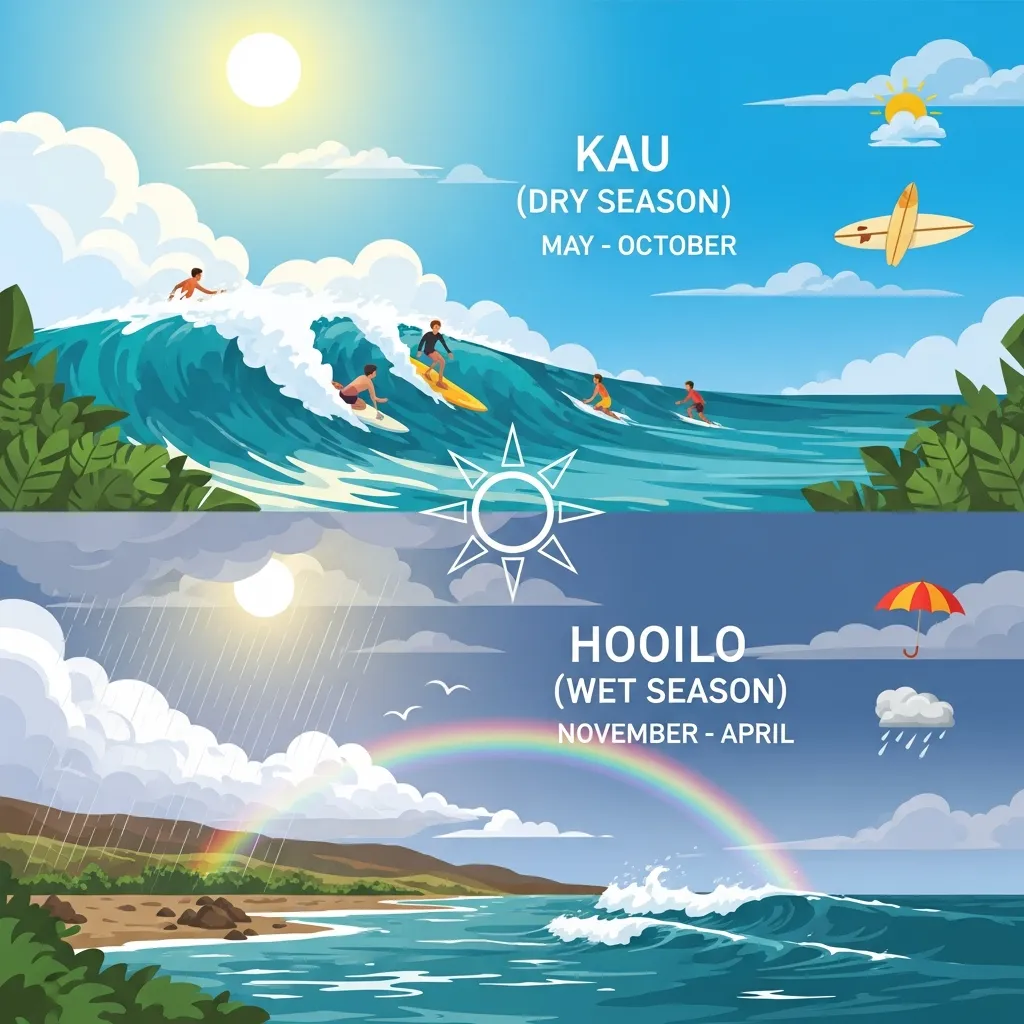
Unlike many destinations that experience four distinct seasons, Hawaii essentially has two main seasons. Understanding how these seasons work is the first step in figuring out the best time to travel to Hawaii.
Wet vs. Dry Season
Hawaii experiences a dry season (Kau) from May to October and a wet season (Hooilo) from November to April. During the dry season, you can expect higher temperatures and very little rainfall, making it ideal for beachgoers. The wet season brings cooler temperatures and more frequent rain showers. However, it is important to note that rain in Hawaii often falls in short, localized bursts, meaning a rainy day rarely ruins an entire vacation.
Peak vs. Off-Peak Seasons
Tourist seasons in Hawaii are driven largely by mainland weather and school holidays. Peak season runs through the winter months (mid-December to March) when people are escaping the cold, as well as during the summer school holidays (June to August). Off-peak or “shoulder” seasons occur during the spring (April and May) and fall (September to November). For many, the shoulder seasons represent the best time to travel to Hawaii due to a great balance of pleasant weather and lower visitor numbers.
Best Time to Travel to Hawaii for Weather
If your main goal is to soak up the sun and enjoy clear skies, timing is everything.
Ideal Months for Sunshine and Low Rain
For the most reliable sunshine, the best time to travel to Hawaii is between June and September. During these summer months, the ocean is wonderfully warm for swimming, and the skies are generally clear. April and May are also fantastic options. You get the warmth of the approaching summer without the intense heat that arrives in August, and the rainfall is minimal.
Regional Variations in Weather Patterns
Hawaii’s weather is heavily influenced by its microclimates. Every island has a “windward” (eastern/northern) side and a “leeward” (western/southern) side. The windward sides catch the trade winds and receive more rain, making them beautifully green and lush. The leeward sides are much drier and sunnier. If you happen to visit during the wet season, staying on the leeward side of an island—like Kona on the Big Island or Wailea on Maui—can help ensure you still get plenty of sunshine.
Best Time to Travel to Hawaii for Activities and Events
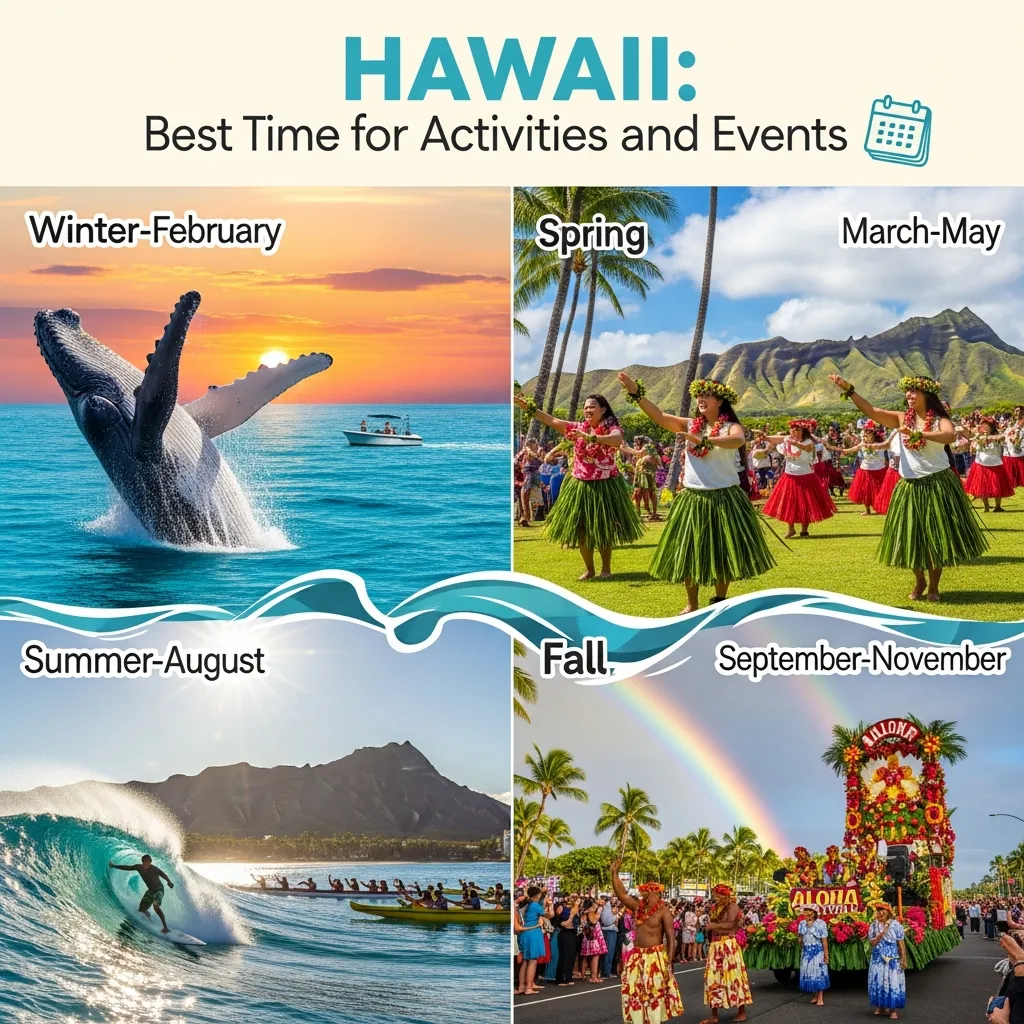
The islands host incredible events and natural phenomena throughout the year. Aligning your trip with these can make a huge difference.
Surfing Season and Competitions
If you want to witness some of the biggest and most impressive waves in the world, the best time to travel to Hawaii is between November and February. The North Shore of Oahu comes alive during this time, hosting prestigious surfing competitions like the Vans Triple Crown of Surfing. If you are a beginner looking to learn, the summer months offer much calmer waters on the southern shores.
Whale Watching Season
Every year, thousands of humpback whales migrate from Alaska to the warm Hawaiian waters to mate and give birth. The official whale watching season runs from December to May, but the absolute best time to travel to Hawaii to see these magnificent creatures is between January and March. Maui is widely considered the top island for whale watching.
Cultural Festivals and Events
Hawaii boasts a rich cultural calendar. The Merrie Monarch Festival, a world-famous hula competition on the Big Island, takes place in the spring (usually April). September brings the Aloha Festivals, a month-long celebration of Hawaiian culture featuring parades, music, and food across all the islands. Visiting during these events provides a wonderful opportunity to experience authentic local traditions.
Best Time for Hiking and Outdoor Adventures
For avid hikers, the shoulder seasons (April to May and September to November) are the best time to travel to Hawaii. The temperatures are slightly cooler than in the peak of summer, making strenuous climbs up volcanic craters or through dense rainforests much more comfortable. Additionally, the trails are less crowded, allowing for a more peaceful connection with nature.
Best Time to Travel to Hawaii for Budget Travelers
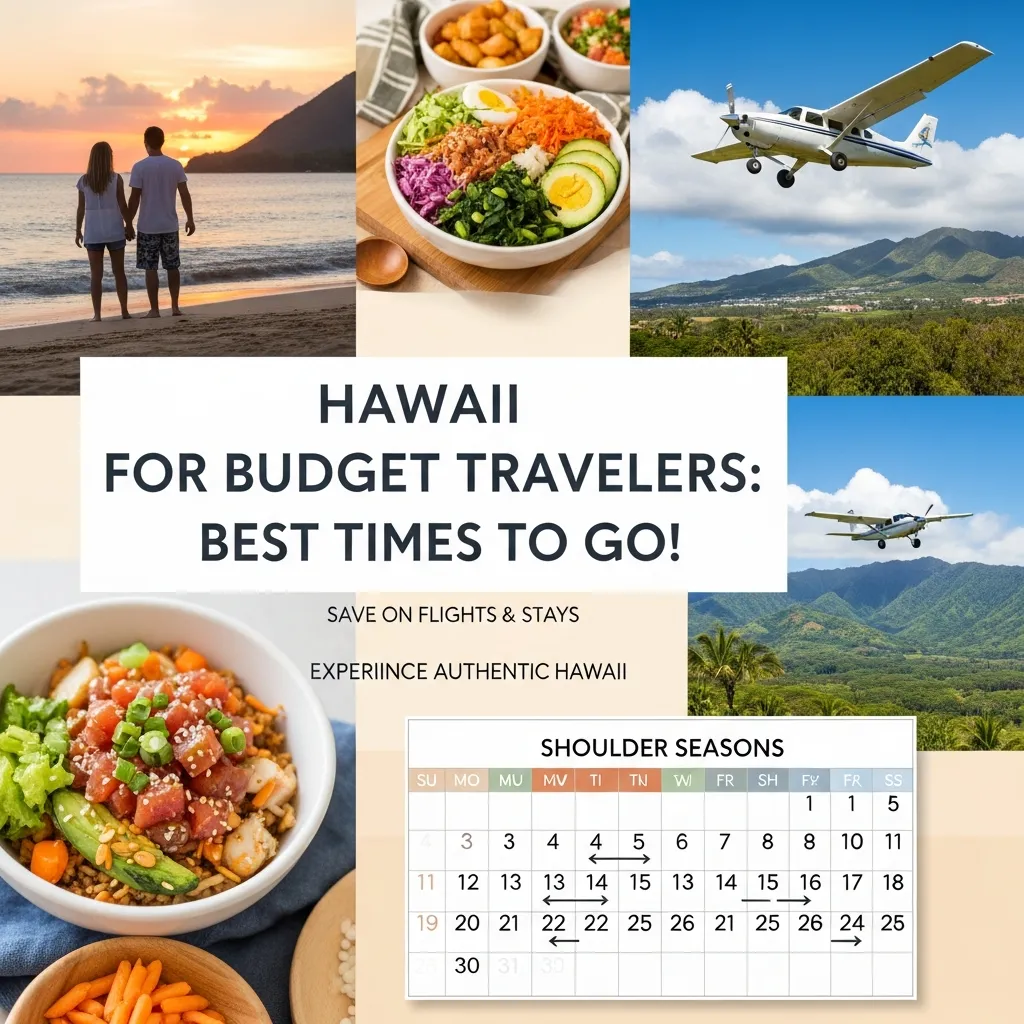
A trip to Hawaii can be expensive, but careful planning can help you save a significant amount of money.
Identifying Shoulder Seasons and Deals
If you are traveling on a strict budget, the best time to travel to Hawaii is during the fall months of September, October, and November (excluding Thanksgiving week). This is the lowest season for tourism, which means airlines and hotels often drop their prices to attract visitors. Spring (mid-April to May) is another excellent time to find deals before the summer rush begins.
Tips for Finding Affordable Flights and Accommodation
To secure the best rates, book your flights and accommodations at least two to three months in advance. Consider staying in vacation rentals or condos instead of luxury resorts, as they often include kitchens that allow you to save money on dining out. Flying mid-week (Tuesday or Wednesday) is generally cheaper than flying on weekends.
Best Time to Travel to Hawaii to Avoid Crowds
Escaping the hustle and bustle is a priority for many travelers seeking a relaxing getaway.
Strategies for a More Serene Experience
To avoid the biggest crowds, you must avoid major holidays. Christmas, New Year’s, Spring Break, and major holiday weekends like Memorial Day are incredibly busy. The best time to travel to Hawaii for a quiet experience is late September through October. During this window, kids are back in school, and the winter snowbirds haven’t yet arrived.
Lesser-Known Times for Fewer Tourists
The first two weeks of December, just before the holiday rush, offer a sweet spot of lower crowds and festive island decorations. Late January to early February is also a relatively quiet period. Choosing less populated islands, like Molokai or Lanai, can also provide a much more secluded experience regardless of the season.
Traveling with Pets to Hawaii
Bringing your furry friend to the islands requires careful preparation, as Hawaii is strictly rabies-free.
Regulations and Requirements for Pet Travel
Traveling with pets to Hawaii is a complex process. Because Hawaii is the only rabies-free state in the US, the Department of Agriculture has strict quarantine laws. To avoid your pet being quarantined for up to 120 days, you must follow the Direct Release program. This involves getting your pet microchipped, completing a series of rabies vaccinations, passing a blood test months in advance, and acquiring a health certificate from your veterinarian.
Pet-Friendly Accommodations and Activities
Once you navigate the entry requirements, Hawaii can be a great place for pets. Many resorts and vacation rentals in areas like Waikiki and Kihei are pet-friendly. You will also find several dog-friendly beaches, such as Kailua Beach on Oahu, where your dog can enjoy the sand and surf. Always keep your dog on a leash unless you are in a designated off-leash area, and respect the local wildlife.
Essential Best Travel Accessories for Your Hawaii Trip
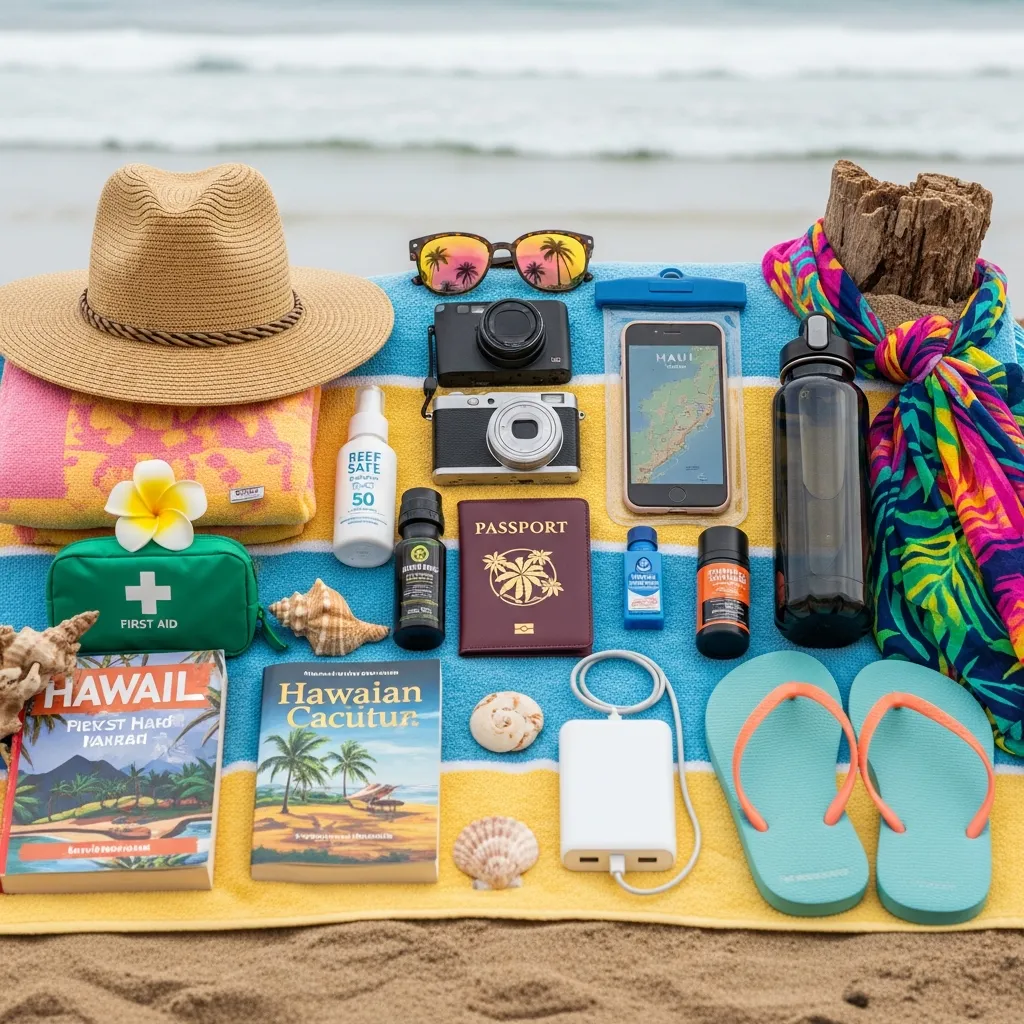
Packing smart will make your island vacation vastly more enjoyable.
Packing List for Various Activities and Weather
Because the weather can change quickly, packing layers is essential. Even if you are visiting during the summer, a light rain jacket is necessary if you plan to visit the rainforests or higher elevations. The best travel accessories for Hawaii include reef-safe sunscreen, a reusable water bottle, a high-quality dry bag to protect your valuables on boats or at the beach, and sturdy water shoes for navigating rocky volcanic shorelines.
Gadgets and Gear for an Enhanced Experience
To capture the beauty of the islands, consider bringing a waterproof action camera like a GoPro. If you plan to hike, a lightweight, packable daypack is a must. A portable power bank is also one of the best travel accessories you can pack, ensuring your phone stays charged while you use it for GPS navigation on remote scenic drives.
Making the Most of Your Hawaii Trip
Choosing the best time to travel to Hawaii comes down to your personal priorities. If you want the lowest prices and the fewest crowds, aim for the fall months of September and October. If perfect beach weather is your main goal, the summer months are your best bet. For nature lovers hoping to see massive surf and migrating whales, the winter months are unparalleled. By aligning your trip with the appropriate season, you ensure a smoother, more enjoyable island experience.
Your Perfect Hawaiian Adventure Awaits
Hawaii is a magical destination that offers something special 365 days a year. Whether you are budgeting for a family vacation, planning a romantic honeymoon, or organizing a solo hiking expedition, understanding the seasonal nuances guarantees a better trip. Now that you know the best time to travel to Hawaii for your specific needs, it is time to start looking at flights, gathering your best travel accessories, and preparing for the trip of a lifetime. The Aloha State is waiting to welcome you.
Frequently Asked Questions about Traveling to Hawaii
What is the cheapest month to go to Hawaii?
September and October are generally the cheapest months to visit Hawaii. The summer crowds have left, kids are back in school, and hotels and airlines lower their prices to encourage bookings before the busy winter holiday season begins.
When is hurricane season in Hawaii?
Hurricane season in the Central Pacific runs from June 1 through November 30. However, direct hits by hurricanes are extremely rare in Hawaii. You are more likely to experience increased rainfall and higher surf from storms passing nearby rather than a direct landfall.
Is Hawaii always warm?
Yes, Hawaii enjoys a warm tropical climate year-round. Coastal temperatures generally range from the mid-70s to the high-80s Fahrenheit. However, temperatures drop significantly at higher elevations, such as the summits of Mauna Kea or Haleakala, where it can actually snow in the winter.
What should I avoid in Hawaii?
Avoid stepping on coral reefs, touching sea turtles or monk seals, and trespassing on private property to reach a beach or waterfall. You should also avoid using non-reef-safe sunscreen, as chemicals like oxybenzone severely damage the local marine ecosystems.
What are the best islands to visit for a first-timer?
Oahu and Maui are typically the best islands for first-time visitors. Oahu offers the perfect mix of city life in Honolulu, historical sites like Pearl Harbor, and beautiful beaches. Maui provides a more relaxed resort vibe, incredible snorkeling, and the famous Road to Hana.
How many days do you need in Hawaii?
To truly enjoy your trip and account for the long travel time and jet lag, plan for a minimum of seven to ten days. If you want to visit more than one island, you should allocate at least two weeks for your vacation.
Can you drink tap water in Hawaii?
Yes, tap water in Hawaii is entirely safe to drink. It is naturally filtered through porous volcanic rock and is known for being clean and great-tasting. Bring a reusable water bottle to stay hydrated and reduce plastic waste.
What is the dress code in Hawaii?
The dress code in Hawaii is very casual. “Island casual” is the norm, meaning shorts, t-shirts, sundresses, and flip-flops (locally called slippahs) are perfectly acceptable almost everywhere. Even at upscale restaurants, a nice pair of shorts or khakis and a collared Aloha shirt are appropriate.
Is it better to rent a car in Hawaii?
Unless you plan to spend your entire vacation sitting at a single resort in Waikiki, renting a car is highly recommended. A rental car gives you the freedom to explore hidden beaches, scenic drives, and local towns at your own pace.
Are there any dangerous animals in Hawaii?
Hawaii is remarkably free of large predators, snakes, and rabies. However, the ocean demands respect. You should be cautious of strong currents, sea urchins, jellyfish, and sharks, though shark attacks are extremely rare. Centipedes on land can give a painful bite, but they are not life-threatening.
What should I know about Hawaiian culture?
Hawaiian culture is deeply rooted in respect for the land (aina) and each other (aloha). Take time to learn the history, do not take rocks or sand from the beaches (which is considered disrespectful and bad luck), and treat local communities with kindness and consideration.
Is Hawaii safe for solo travelers?
Hawaii is generally very safe for solo travelers. Violent crime is low, and the locals are friendly and helpful. However, as with any destination, solo travelers should practice basic common sense, lock their rental cars, and avoid hiking unfamiliar, remote trails alone.