This comprehensive guide will help you determine the best time to travel to Singapore by exploring its climate, seasonal events, and offering tips for a flawless trip. Discover hidden gems and eco-friendly travel options to make your Singapore adventure truly unforgettable.
Singapore is a dazzling island city-state that blends spectacular modern architecture with lush green spaces. From the futuristic Supertree Grove at Gardens by the Bay to the vibrant street food culture of its hawker centers, this destination offers something special for every type of traveler. You can explore bustling neighborhoods like Little India and Chinatown, or relax on the sunny beaches of Sentosa Island.
Deciding on the best time to travel to Singapore is an important step in your vacation preparation. Because the island hosts numerous festivals, major sporting events, and seasonal sales, the timing of your visit can completely change your experience. Picking the right month ensures you can enjoy your favorite activities, whether that means attending a massive cultural parade, shopping at discounted rates, or simply avoiding the heaviest rainfalls.
This article provides everything you need to know about planning your visit. We will look at Singapore climate and seasons, break down the calendar month by month, and highlight key events. By the end of this guide, you will know exactly when to book your flights and how to craft an incredible itinerary.
Understanding Singapore’s Climate and Seasons
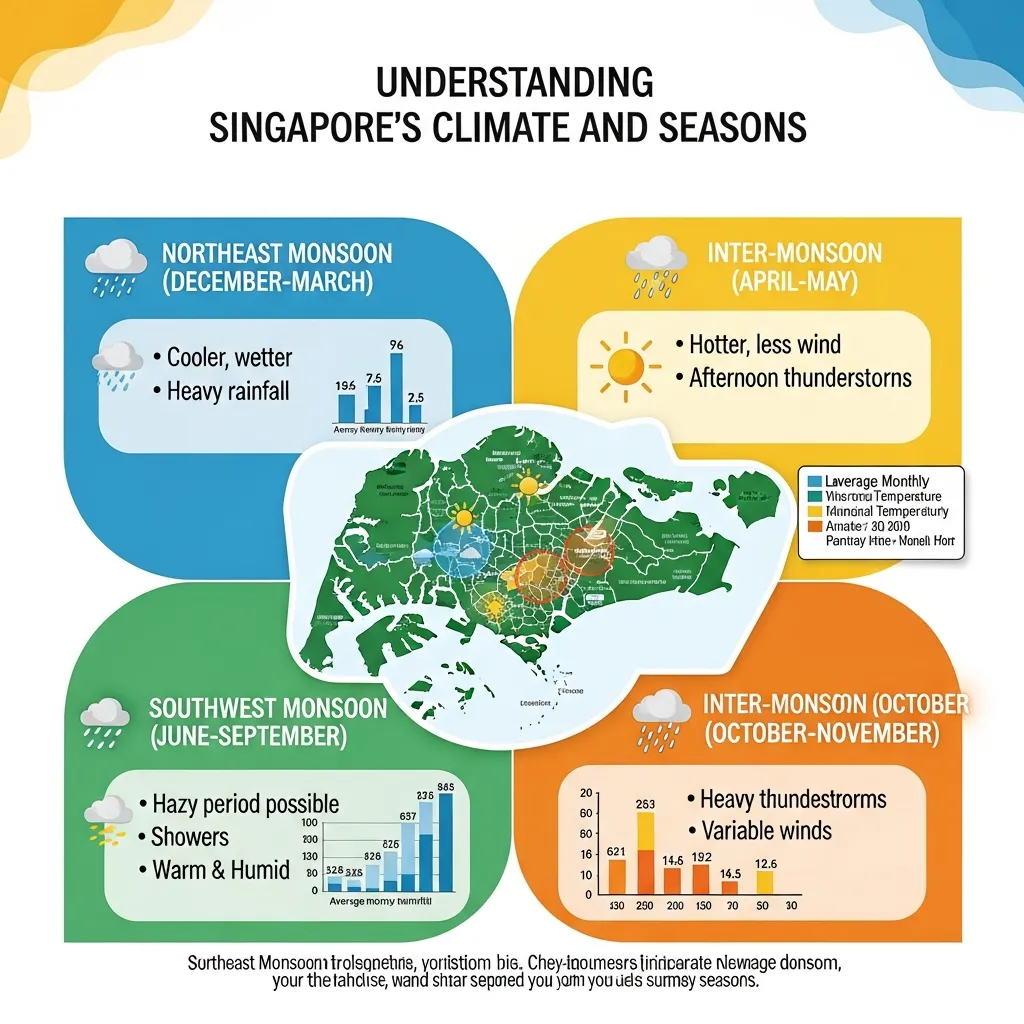
Situated just one degree north of the equator, Singapore experiences a tropical rainforest climate. This means you can expect year-round warmth and high humidity, regardless of when you visit.
Tropical Climate: Year-round warmth and humidity
Average daytime temperatures hover around 88°F (31°C), while nighttime temperatures rarely drop below 79°F (26°C). Rainfall is a constant feature of the local weather, keeping the island’s abundant flora brilliantly green. However, rainfall is not spread evenly throughout the year. The island experiences two distinct monsoon seasons. The Northeast Monsoon occurs from December to early March, bringing heavy and prolonged showers. The Southwest Monsoon happens from June to September, featuring shorter, intense thunderstorms often occurring in the early afternoon.
Defining the “Best” Time: Dry vs. Wet Seasons
Because temperatures barely fluctuate, determining the best time to travel to Singapore usually comes down to rainfall.
When is the dry season?
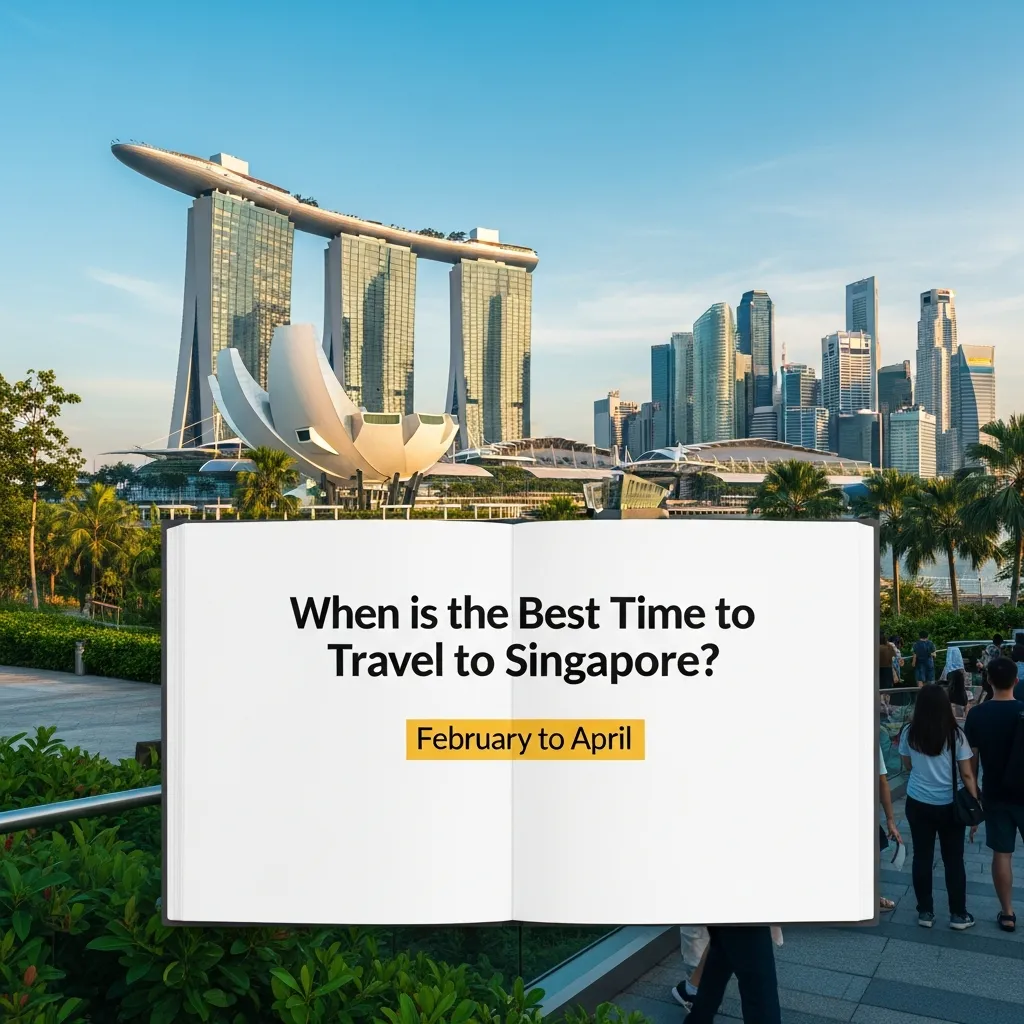
The most popular months for tourists are typically between February and April. This period falls right after the Northeast Monsoon peaks and before the intense heat of the summer months sets in. It is generally considered the dry season, making it the best time to travel to Singapore for outdoor sightseeing and nature walks.
When is the wet season?
The wet season peaks between November and January. While the rain can be heavy, it rarely ruins a whole day. Singapore is incredibly well-equipped for wet weather, with extensive covered walkways, underground malls, and spectacular indoor attractions.
The Best Time to Travel to Singapore: Month-by-Month Breakdown
To help you narrow down your dates, here is a closer look at what each part of the year has to offer.
January – March: Post-holiday calm and festive celebrations
This window is arguably the best time to travel to Singapore if you enjoy lively cultural festivals. January often brings the spectacular Thaipusam festival. February usually welcomes Chinese New Year, transforming Chinatown into a sea of red lanterns, vibrant parades, and night markets. March sees the weather getting progressively drier, offering an excellent balance of clear skies and manageable crowds.
April – June: Transition period, good for outdoor activities
April and May are transition months. The winds are light, and the severe thunderstorms of the later monsoon season have not yet arrived. This makes it a fantastic Best Time to Travel Seasonal Guide window for outdoor enthusiasts. You can spend long days exploring the Singapore Botanic Gardens or cycling around Marina Bay. June marks the beginning of the school holidays and the start of the Great Singapore Sale, bringing in waves of enthusiastic shoppers.
July – September: Great Singapore Sale and other events
July and August remain busy as the Great Singapore Sale continues. If finding retail bargains is your main goal, this is the best time to travel to Singapore. August also features Singapore’s National Day (August 9th), which includes impressive parades and fireworks. September is globally recognized for the Singapore Grand Prix, a thrilling Formula 1 night race that takes over the city streets.
October – December: Approaching monsoon, but still enjoyable for indoor attractions
October brings slightly higher humidity as the Northeast Monsoon approaches. November and December are the wettest months of the year. However, if you do not mind carrying an umbrella, December is a magical time. The Orchard Road Christmas light displays are world-famous, and the cooler rainy days are perfect for visiting world-class museums like the National Gallery.
Seasonal Guide: Matching Your Interests to the Calendar
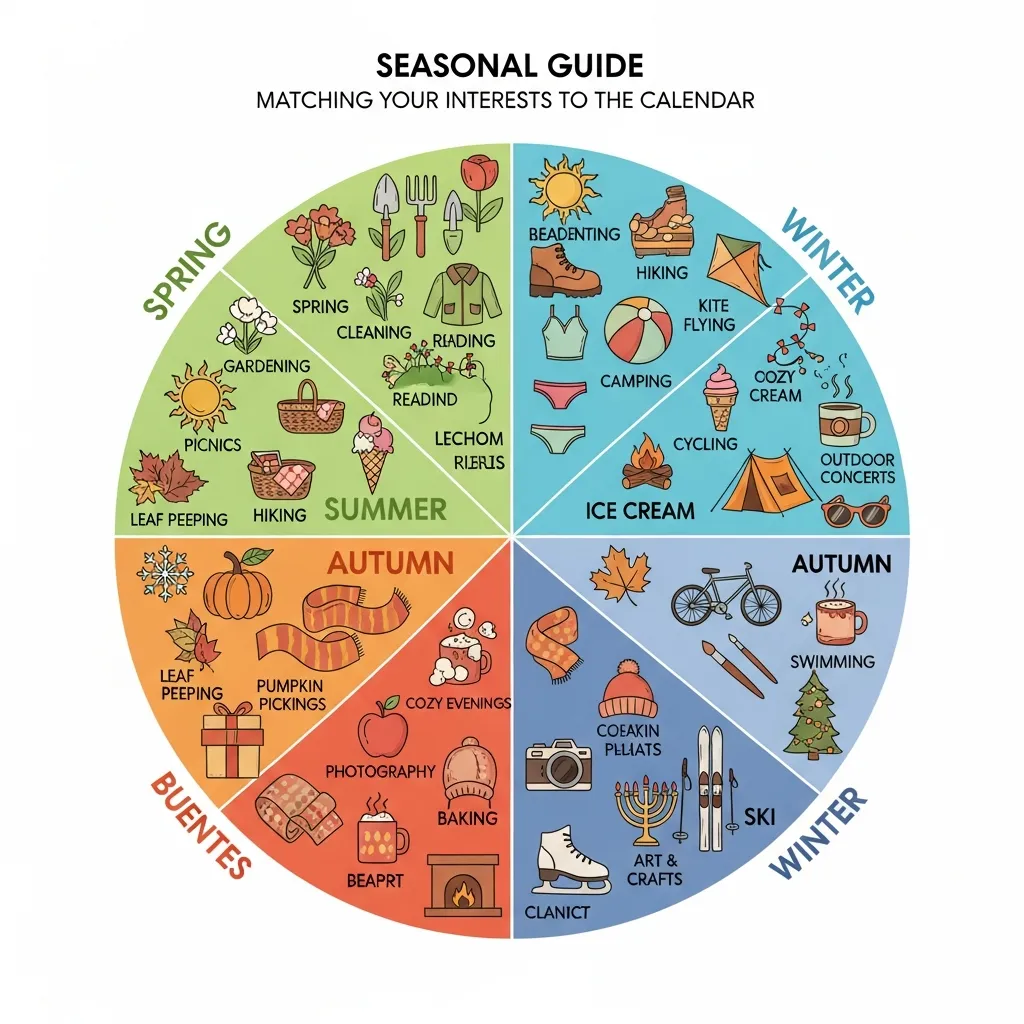
Your personal interests play a huge role in determining the best time to travel to Singapore.
For Outdoor Enthusiasts
If your itinerary includes hiking the Southern Ridges, exploring the Sungei Buloh Wetland Reserve, or island hopping to Pulau Ubin, aim for February, March, or April. The lower rainfall means fewer disruptions to your outdoor plans, making this the best time to travel to Singapore for nature lovers.
For Foodies
Singapore is a culinary paradise all year long. However, July usually hosts the Singapore Food Festival. This event celebrates local heritage food and modern gastronomy, offering special tasting menus, cooking workshops, and exclusive dining experiences.
For Shoppers
Retail lovers should mark June and July on their calendars. The Great Singapore Sale offers massive discounts across the city, from the luxury boutiques of Orchard Road to the independent shops in Haji Lane.
For Cultural Explorers
To experience the city’s rich diversity, time your visit with major ethnic festivals. Chinese New Year (usually February) and Deepavali (usually October or November) offer incredible street light-ups, traditional performances, and seasonal foods.
Hidden Travel Gems & Eco-Friendly Exploration
While the Marina Bay Sands and Universal Studios are spectacular, looking beyond the main attractions can make your trip even more rewarding.
Beyond the Tourist Traps
Leave the bustling city center behind and visit the tranquil neighborhoods of Tiong Bahru, known for its art deco architecture and indie bookshops. Explore the Kampong Lorong Buangkok, the last surviving traditional village on mainland Singapore, to get a glimpse of the city’s past. Incorporating these locations is a great way to experience Hidden Travel Gems Eco-Friendly initiatives and local community life.
Sustainable Travel Tips
Singapore is often called the “City in a Nature.” You can support its sustainability goals by choosing eco-friendly travel options. Utilize the highly efficient Mass Rapid Transit (MRT) system instead of taking taxis. Carry a reusable water bottle, as the tap water is safe to drink. Choose hotels that have been awarded the BCA Green Mark for their environmental efforts.
Ultimate Guide to Flawless Trip Planning
To ensure your vacation is stress-free, follow this Ultimate Guide Flawless Trip Planning checklist.
Accommodation
Singapore offers everything from luxury heritage hotels to budget-friendly pods. Book your accommodation well in advance, especially if you plan to visit during major events like the F1 Grand Prix or Chinese New Year. Areas like Clarke Quay and Marina Bay are central but pricey, while Bugis and Chinatown offer great mid-range options.
Transportation
The MRT is the best way to get around. It is clean, air-conditioned, and incredibly affordable. You can purchase a Singapore Tourist Pass for unlimited travel for one, two, or three days. Taxis and ride-hailing apps like Grab are also widely available for places the train does not easily reach.
Budgeting
Singapore is one of the more expensive cities in Southeast Asia. Manage your budget by eating at local hawker centers, which serve Michelin-quality meals for just a few dollars. Take advantage of the many free attractions, including the MacRitchie Reservoir and the daily light shows at Gardens by the Bay.
Packing Essentials
Pack light, breathable clothing made of cotton or linen. A sturdy umbrella or lightweight raincoat is essential, regardless of the season. Bring comfortable walking shoes, as you will likely be covering a lot of ground on foot. Do not forget an international plug adapter and a good quality power bank for your phone.
Maximizing Your Experience: Tips for Every Traveler
Knowing a few local secrets will help you navigate the city like a pro.
Navigating the heat and humidity
Pace yourself during the hottest parts of the day. Plan your outdoor activities for the early morning or late afternoon. Midday is the perfect time to explore air-conditioned museums, shopping malls, or indoor attractions like the Cloud Forest dome.
Public holidays and peak travel times
Always check the local calendar for public holidays before booking your flights. Traveling during major school holidays or festive weekends means higher hotel rates and larger crowds at popular tourist spots.
Visa requirements and entry information
Most travelers do not need a visa for tourist visits of up to 30 or 90 days, depending on their nationality. However, all incoming passengers must fill out the SG Arrival Card online within three days prior to their date of arrival.
Your Perfect Singapore Trip Awaits
Singapore is a dynamic destination that seamlessly blends tradition with breathtaking innovation. Whether you are hunting for the best street food, marvelling at futuristic gardens, or shopping for high-end fashion, this island city has it all.
Remember, the best time to travel to Singapore ultimately depends on what you want to do. February to April is ideal for dry weather and outdoor adventures. June and July are perfect for shopping enthusiasts, while the festival months of January and February provide rich cultural experiences. Grab your calendar, select your ideal dates, and start planning your perfect tropical getaway today.
Frequently Asked Questions (FAQs)
1. Is Singapore always hot?
Yes, due to its proximity to the equator, Singapore is hot and humid year-round, with daytime temperatures averaging 88°F (31°C).
2. When is the rainy season in Singapore?
While it can rain any time, the heaviest rainfall occurs during the Northeast Monsoon season from November to January.
3. What are the major events in Singapore?
Key events include Chinese New Year (Jan/Feb), the Great Singapore Sale (Jun/Jul), the Singapore Food Festival (Jul), and the Formula 1 Grand Prix (Sep).
4. Is it expensive to travel to Singapore?
It is more expensive than neighboring Southeast Asian countries, but you can save money by using public transport, eating at hawker centers, and visiting free attractions.
5. How many days are enough for Singapore?
Three to five days is generally enough to see the major attractions, enjoy the local food scene, and explore a few different neighborhoods.
6. What should I pack for Singapore?
Pack light, breathable clothing, comfortable walking shoes, a reusable water bottle, sunscreen, and an umbrella or light raincoat.
7. Is Singapore safe for tourists?
Yes, Singapore is consistently ranked as one of the safest cities in the world with very low crime rates.
8. What is the currency in Singapore?
The official currency is the Singapore Dollar (SGD). Credit and debit cards are widely accepted almost everywhere.
9. Can I drink tap water in Singapore?
Yes, the tap water in Singapore is completely safe to drink. Bring a reusable bottle to reduce plastic waste.
10. What are some eco-friendly activities in Singapore?
You can hike the Southern Ridges, explore the Sungei Buloh Wetland Reserve, and visit the sustainable Gardens by the Bay.
11. Are there any dress codes to be aware of?
Casual summer wear is acceptable everywhere. However, if you plan to visit temples or mosques, you should dress modestly, covering your shoulders and knees.
12. How far in advance should I book my trip to Singapore?
It is advisable to book flights and hotels 2 to 3 months in advance, especially if you are traveling during major festivals or the F1 Grand Prix.