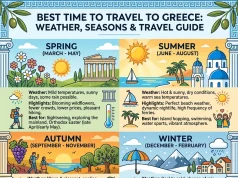
Planning a vacation involves more than just picking a destination on a map and buying a plane ticket. The time of year you choose to go can completely change your experience. Arriving during monsoon season or peak winter can mean missed opportunities, closed attractions, and uncomfortable weather. Knowing the optimal season for your chosen destination ensures you get the most out of your trip.
This guide covers everything you need to know about optimizing your travel experiences. We will explore how different seasons affect pricing, crowds, and weather conditions across the globe. You will learn the difference between peak, low, and shoulder seasons, and how to use this knowledge to your advantage.
Whether you want to explore ancient ruins without sweating through your shirt or find the cheapest flights for a weekend getaway, timing is everything. We will break down specific regions and countries, providing actionable advice for your next adventure. Read on to find out the Best Time to Travel (Seasonal Guide) for your dream destinations.
Understanding Seasonal Travel
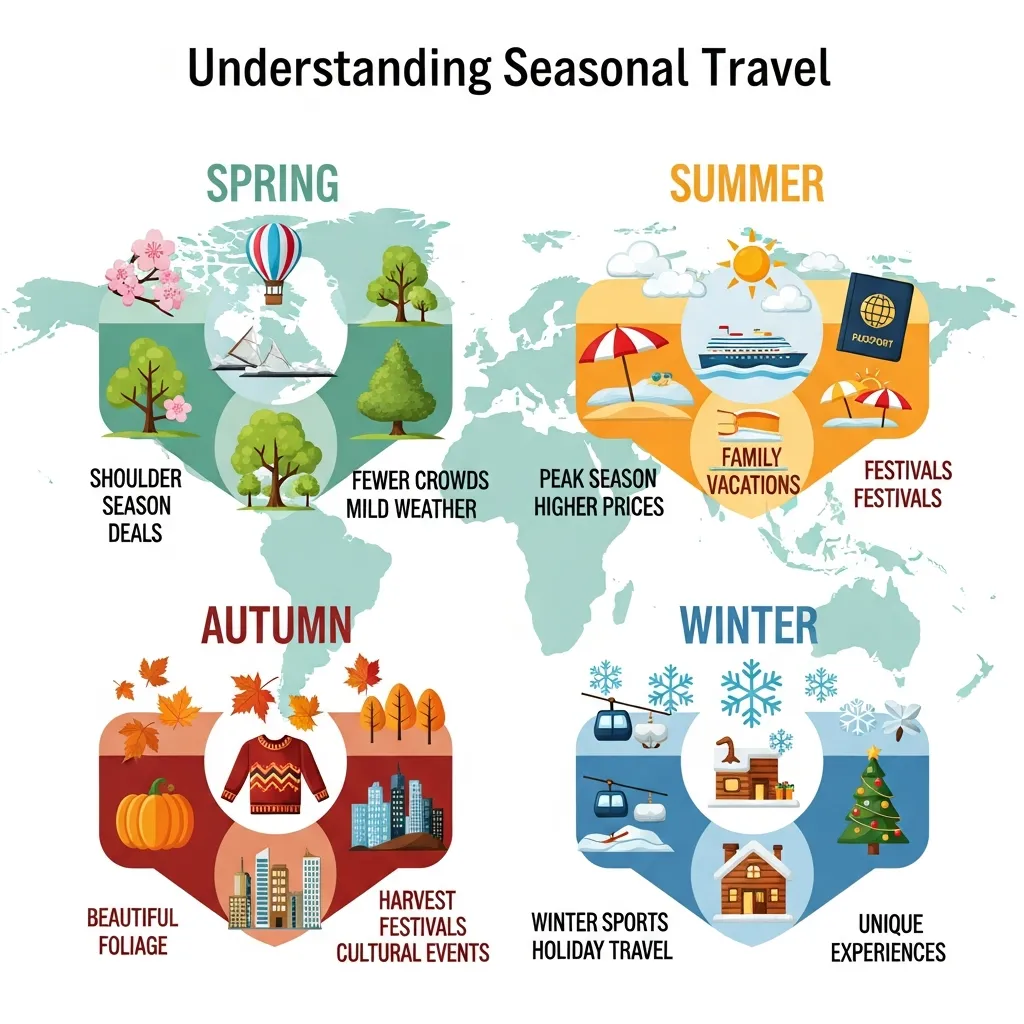
Grasping the concept of travel seasons is the first step in planning a successful trip. The travel industry generally divides the year into three main categories. Each season offers distinct advantages and disadvantages depending on what you value most during your vacation.
High Season vs. Low Season vs. Shoulder Season
High season, also known as peak season, aligns with the best weather and major holidays. This is when most people take their vacations. Expect crowded attractions, fully booked hotels, and the highest prices of the year. However, you also get to experience the destination at its most vibrant, with all tours and facilities operating at full capacity.
Low season occurs during periods of less desirable weather, such as the rainy season in the tropics or the freezing winter in northern climates. Prices drop significantly, and you will rarely have to fight for space at popular landmarks. The trade-off is that many hotels and restaurants might close, and bad weather could ruin outdoor plans.
Shoulder season sits right between the high and low seasons. Many experienced globetrotters consider this the sweet spot. The weather is usually still pleasant, prices are moderate, and the massive crowds have either not yet arrived or have recently departed.
Factors Influencing the Best Time to Travel
Several variables determine the best time to visit a particular location. Weather is the most obvious factor. A beach vacation requires sunshine, while a ski trip requires snow.
Crowds also play a massive role. If you hate waiting in long lines and navigating packed streets, you will want to avoid peak times. Prices fluctuate wildly based on demand, meaning budget-conscious travelers must pay close attention to seasonal shifts.
Finally, local events and festivals can transform a standard trip into a once-in-a-lifetime experience. Planning your visit around a specific cultural celebration can dictate exactly when you should pack your bags.
Regional Deep Dives: Best Time to Travel (Seasonal Guide)
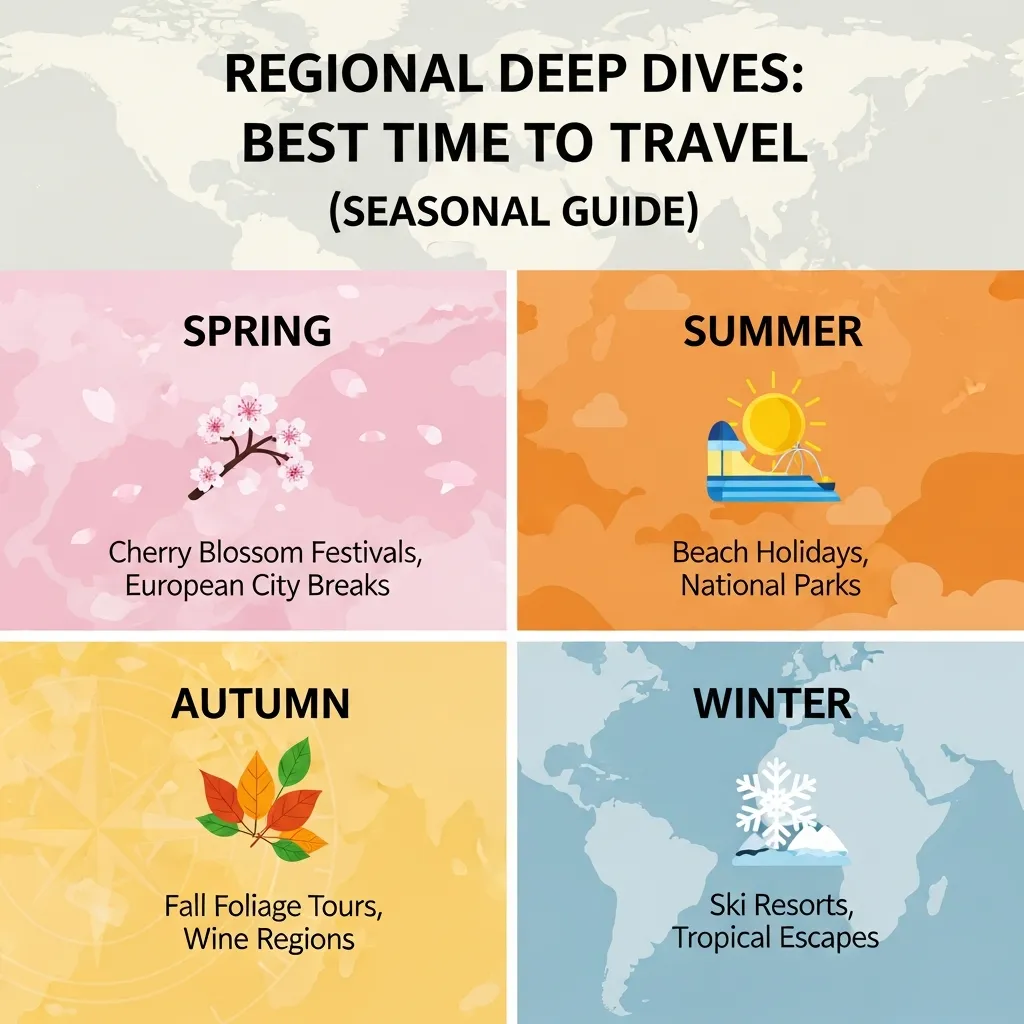
Applying these seasonal concepts to specific locations helps illustrate how timing impacts a trip. Let’s look at a few popular regions and pinpoint exactly when you should plan your visit.
Tropical Paradises: When to Visit
Tropical destinations generally have two main seasons: wet and dry. Understanding this simple divide is crucial for a successful beach holiday.
The Best Time to Travel to Costa Rica
If you are wondering about the best time to travel to Costa Rica, you need to consider what you want to do. The dry season runs from mid-December to April. This is the peak time for sunshine, making it perfect for lounging on the beach and exploring the rainforest without getting soaked. However, if you want lush, green landscapes and fewer tourists, the “green season” (May to November) offers lower prices and incredible wildlife encounters, despite the daily afternoon rain showers.
Other Tropical Destinations
Similarly, the Caribbean is best visited from December to April to avoid hurricane season. Southeast Asia varies by country, but generally, the dry season spanning November to February offers the most comfortable temperatures and minimal rainfall.
European Charms: Ideal Seasons for Exploration
Europe features diverse climates, from the freezing north to the sunny Mediterranean. Choosing the right time depends heavily on which countries you plan to explore.
The Best Time to Travel to Ireland
The best time to travel to Ireland is during the summer months, from June to August. The days are incredibly long, giving you plenty of daylight to explore the lush, green landscapes and ancient castles. The weather is at its warmest, though you should always pack a rain jacket. Spring (April and May) and early autumn (September) also offer beautiful scenery with fewer crowds and lively cultural festivities.
The Best Time to Travel to Portugal
Determining the best time to travel to Portugal depends on your tolerance for heat. Spring (March to May) and early autumn (September to October) are ideal. You get to enjoy the stunning coastal beauty of the Algarve and the historic streets of Lisbon without the intense heat and massive crowds of July and August.
The Best Time to Travel to Italy
The best time to travel to Italy is generally during the shoulder seasons of spring (April to June) and fall (September to October). The temperatures are comfortable for walking through the Roman Forum or hiking the Cinque Terre. Summer brings extreme heat and massive crowds, while winter is great for avoiding tourists and enjoying world-class art and food in relative peace, especially in southern regions.
Asian Adventures: Navigating Seasons
Asia is massive, and its climates vary wildly. From the tropics of the south to the frozen mountains of the north, timing is highly dependent on your specific itinerary.
The Best Time to Travel to Japan
Many consider the best time to travel to Japan to be spring (March to May) and autumn (September to November). Spring brings the world-famous cherry blossoms, painting the country in stunning shades of pink. Autumn offers vibrant red and yellow foliage, creating spectacular scenery for temple visits. Winter is the perfect time for skiing in Hokkaido, while summer is hot and humid but packed with lively local festivals.
Northern Wonders: Embracing Unique Climates
Traveling close to the Arctic Circle requires careful planning. The extreme variations in daylight and temperature completely dictate the tourist experience.
The Best Time to Travel to Iceland
If your main goal is to see the Northern Lights, the best time to travel to Iceland is from late September to late March. The nights are dark and long, providing the perfect canvas for the aurora borealis. Conversely, if you want to drive the Ring Road, hike the highlands, and see puffins, you must visit during the summer (June to August) when the days are nearly 24 hours long and the weather is mild.
General Tips for Finding Your Best Time to Travel
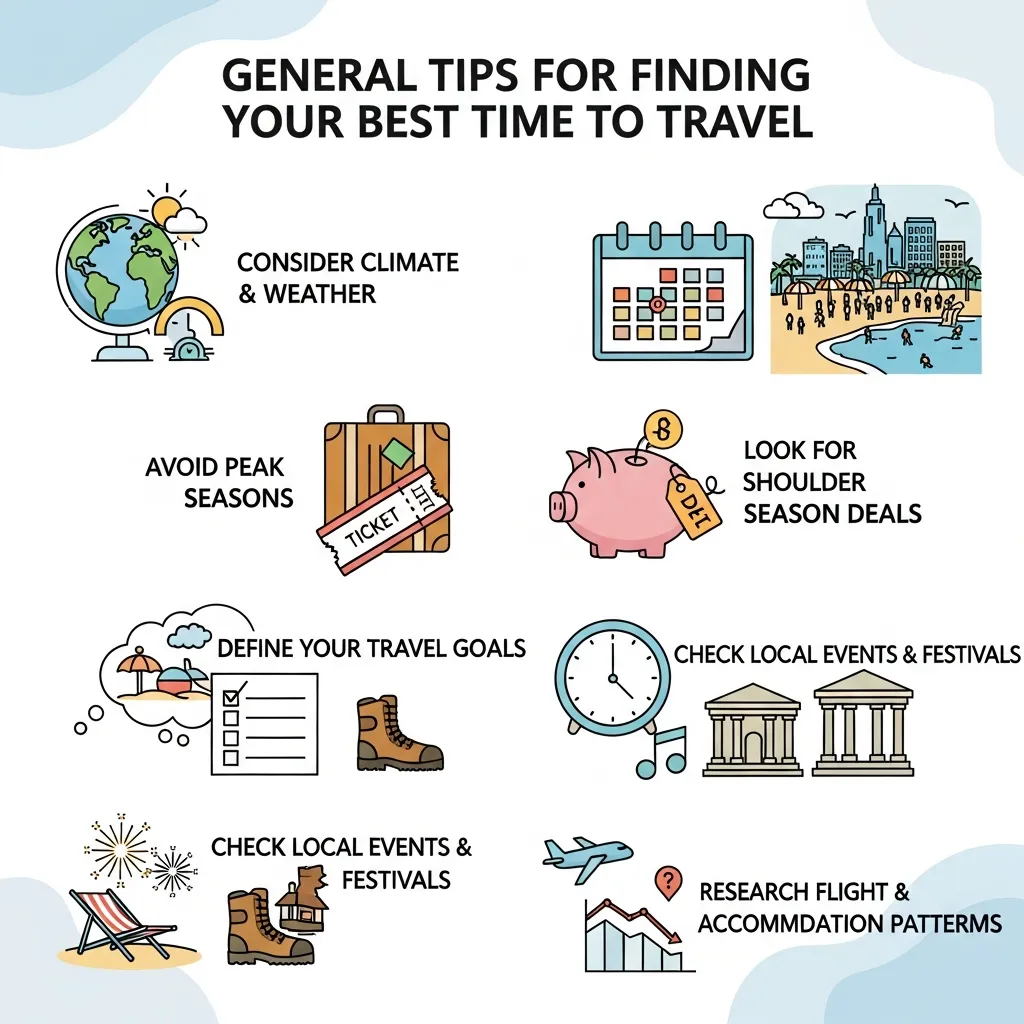
No matter where you plan to go, applying a few general strategies can help you lock in the perfect dates for your journey.
Researching Local Events and Holidays
Always check the local calendar before booking. Arriving in a city during a major festival like Oktoberfest in Munich or Carnival in Rio de Janeiro can be incredible, but only if you plan for it. If you are unaware of the event, you might find yourself facing sold-out hotels and overwhelmed public transport. Conversely, traveling during local national holidays might mean that museums, restaurants, and shops are closed.
Considering Your Personal Preferences
Your budget, preferred activities, and tolerance for crowds should guide your decision. If you have a strict budget, you must look closely at the low and shoulder seasons. If you despise waiting in line, avoid the high season at all costs. Prioritize what matters most to you and align your travel dates accordingly.
Flexibility and its Benefits
Being flexible with your dates is the best way to secure great deals. If you can shift your vacation by a few weeks to catch the shoulder season, you can often save hundreds of dollars on flights and accommodation. Use flexible date search tools on flight booking websites to find the cheapest days to fly.
Your Seasonal Travel Checklist
Before finalizing your itinerary, review this quick checklist to ensure you have picked the Best Time to Travel (Seasonal Guide):
- Identify the high, low, and shoulder seasons for your specific destination.
- Determine if the typical weather aligns with your planned activities.
- Check local calendars for major holidays, festivals, or closures.
- Compare flight and hotel prices across different months.
- Assess your personal budget and crowd tolerance.
- Look for shoulder season opportunities for the best balance of price and weather.
Conclusion: Making Every Trip the Best Time to Travel
Finding the perfect time to visit a new destination requires a bit of research, but the effort pays off immensely. By understanding how seasons affect weather, pricing, and crowds, you can curate a trip that perfectly matches your expectations and budget.
Whether you are chasing the cherry blossoms in Japan, hiking the green hills of Ireland, or relaxing on a beach in Costa Rica, timing dictates the rhythm of your adventure. Use this guide as a starting point to align your travel goals with the calendar. Start researching your dream destination today, check the historical weather patterns, and begin crafting an itinerary that maximizes every moment of your vacation.
FAQ: Your Top Travel Questions Answered
What is the cheapest time to travel internationally?
The cheapest time to travel internationally is usually during a destination’s low season. For many places in Europe and North America, this falls during the winter months (excluding the holiday weeks). For tropical destinations, the cheapest flights and hotels correspond with the rainy season.
When is the best time to book flights for international travel?
A general rule is to book international flights between two and six months in advance. Booking too early can sometimes result in higher fares, while waiting until the last minute almost always guarantees premium pricing.
What are the benefits of traveling during the shoulder season?
Traveling during the shoulder season provides the best of both worlds. You benefit from lower prices and smaller crowds than the peak season, while still enjoying relatively pleasant weather and fully operational tourist infrastructure.
How does weather impact the best time to travel?
Weather completely dictates what activities are possible. Heavy rains can wash out hiking trails, extreme heat can make city tours miserable, and lack of snow can ruin a ski trip. Always check historical weather data for your destination.
Are there destinations that are good to visit year-round?
Yes, places with temperate climates often make great year-round destinations. Cities like San Diego, California, and regions like the Canary Islands offer consistent, mild weather regardless of the month, making them reliable choices anytime.
How far in advance should I plan my seasonal trip?
For high-season travel to popular destinations, you should start planning at least six to nine months in advance to secure good accommodation. For low or shoulder season trips, three to four months is usually sufficient.
What are some tips for traveling during peak season?
If you must travel during peak season, book everything as early as possible. Buy skip-the-line tickets for major attractions, make restaurant reservations weeks in advance, and plan your daily sightseeing for early in the morning before the largest crowds arrive.
How can I avoid crowds when traveling during popular times?
To avoid crowds during peak season, get off the beaten path. Visit secondary cities instead of capitals, explore neighborhoods outside the tourist center, and wake up at sunrise to see major landmarks before the tour buses arrive.
What’s the best time for a budget-friendly European trip?
Late autumn (November) and late winter (February to early March) offer the cheapest prices for European travel. Flights and hotels drop their rates significantly to attract tourists during these colder, darker months.
When is the best time to see the Northern Lights?
The best time to see the Northern Lights in places like Iceland, Norway, and Canada is from late September to late March. You need long, dark, and clear winter nights to view the aurora borealis clearly.
How do I choose between a summer and winter trip for a destination?
List your priority activities. If you want to swim, hike comfortably, and dine outdoors, choose summer. If you want to ski, visit holiday markets, and enjoy cozy indoor cultural activities without crowds, choose winter.
What are the best resources for determining the best time to travel to a specific place?
Use historical weather websites to check average temperatures and rainfall. Read travel blogs for firsthand accounts of seasonal crowds, and use flight comparison tools with flexible date grids to analyze seasonal price trends.